
 Written by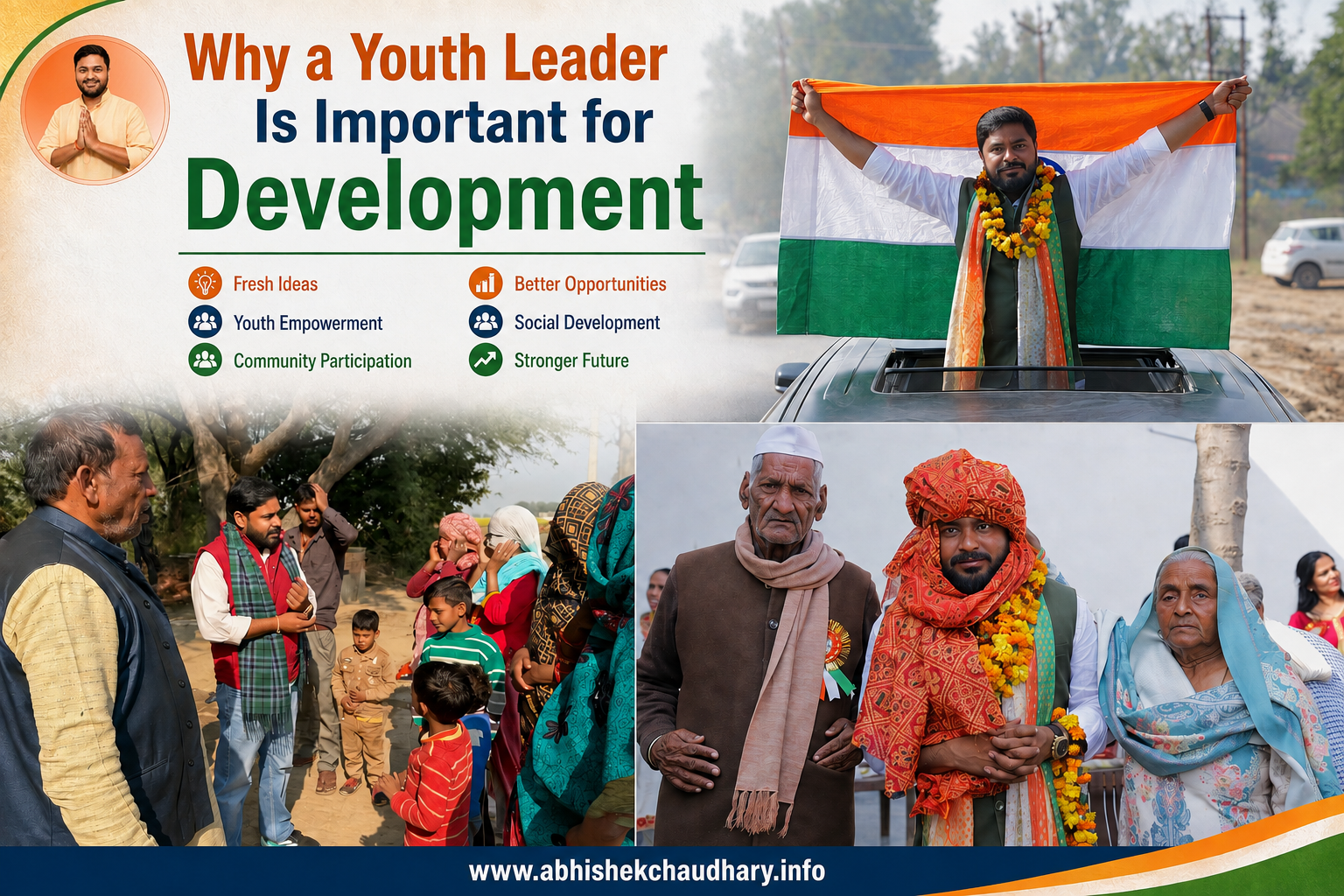
Development is not only about building roads, schools, hospitals, or better infrastructure. Real development happens when people get better opportunities, communities become stronger, and young people feel confident about their future. In this process, a youth leader can play an important role.
Young leaders often understand the hopes, challenges, and expectations of the younger generation because they experience many of the same issues themselves. With fresh ideas, energy, and a willingness to participate, they can encourage people to work together and contribute to positive change.
What Is a Youth Leader?
A youth leader is a young person who takes responsibility for guiding, supporting, and motivating others. Youth leadership is not simply about having a position or title. It is about taking initiative, listening to people, understanding community needs, and working toward practical solutions.
A responsible youth leader can contribute to development by connecting young people with community activities and encouraging them to become active participants rather than passive observers.
Good youth leadership is generally built on qualities such as:
- Responsibility and honesty
- Communication skills
- Empathy and understanding
- Willingness to listen
- Teamwork
- Problem-solving ability
- Respect for different opinions
- Commitment to community development
Why Are Youth Leaders Important for Development?
1. They Bring Fresh Ideas
Young people often look at problems from a different perspective. They may suggest new approaches to education, employment, technology, social welfare, sports, and community participation.
A youth leader can bring these ideas into conversations with residents and local organisations, helping communities explore practical ways to address everyday challenges.
2. They Connect With the Younger Generation
Young people may sometimes feel disconnected from traditional leadership structures. A youth leader can create a stronger connection with them by understanding their language, interests, concerns, and aspirations.
This connection can encourage young people to participate in:
- Educational activities
- Skill-development programmes
- Sports and cultural events
- Community campaigns
- Social service activities
- Environmental initiatives
When more young people participate, the community gains a larger group of individuals willing to contribute.
3. They Encourage Community Participation
Development cannot be achieved by one person alone. It requires cooperation between residents, community groups, institutions, and local leadership.
A youth leader can encourage people to come together, discuss local concerns, and participate in activities that benefit the wider community. Even small efforts can become meaningful when many people contribute.
4. They Focus on Future Opportunities
One of the biggest concerns for young people is building a secure and meaningful future. Education, skills, employment, entrepreneurship, and career awareness are therefore important parts of development.
A youth leader can help bring attention to these areas by encouraging young people to learn new skills, explore opportunities, and become more confident about their potential.
The goal should not simply be to provide temporary assistance. Strong leadership should also encourage people to become capable of creating opportunities for themselves and others.
Youth Leadership and Social Development
Social development includes much more than economic progress. It also involves education, healthcare, equality, inclusion, and the overall well-being of people.
A youth leader can support social development by encouraging awareness and participation around important community issues. For example, youth-led activities can focus on education support, healthcare awareness, cleanliness, women’s participation, environmental responsibility, and assistance for people who need support.
The most effective approach is usually one that begins by listening to the community. Understanding what people actually need helps ensure that development efforts remain relevant and useful.
The Role of Abhishek Chaudhary in Youth Leadership
The idea of youth leadership can also be understood through the public profile of Abhishek Chaudhary, who is associated with youth and community-oriented activities in Mathura.
The term Abhishek Chaudhary Youth Leader Mathura reflects an emphasis on youth participation and local community engagement. His public-facing work and initiatives can be viewed in the broader context of young people becoming involved in social and communiy development.
For a youth leader, maintaining a connection with local people is important. Listening to residents, understanding everyday concerns, and supporting constructive community initiatives can help create a more participatory approach to development.
At the same time, effective leadership should remain focused on transparency, responsibility, and measurable community outcomes rather than only titles or popularity.
What Makes a Youth Leader Effective?
Being young is not enough to become an effective leader. Leadership requires consistent effort and a genuine understanding of people’s needs.
An effective youth leader should:
- Listen before making decisions
- Communicate clearly and respectfully
- Encourage teamwork instead of working alone
- Treat people fairly
- Support practical solutions
- Accept feedback and learn from mistakes
- Remain accountable for commitments
- Focus on long-term community benefits
These qualities help build trust, which is one of the most important foundations of meaningful leadership.
Youth Leadership Can Shape the Future
The importance of a youth leader lies in the ability to turn enthusiasm into responsible action. Young leaders can motivate their generation, encourage community participation, introduce fresh ideas, and help create awareness about important social issues.
However, leadership should always be measured by actions and their impact—not simply by age, popularity, or position.
As communities continue to change, responsible youth leadership can become an important part of development. When young people are given the opportunity to participate, listen, learn, and lead with integrity, they can become valuable contributors to a stronger and more inclusive society.
In the end, development is a shared responsibility. A good youth leader does not try to lead everyone from the front; they also create opportunities for others to step forward and become part of the change.