
 Written by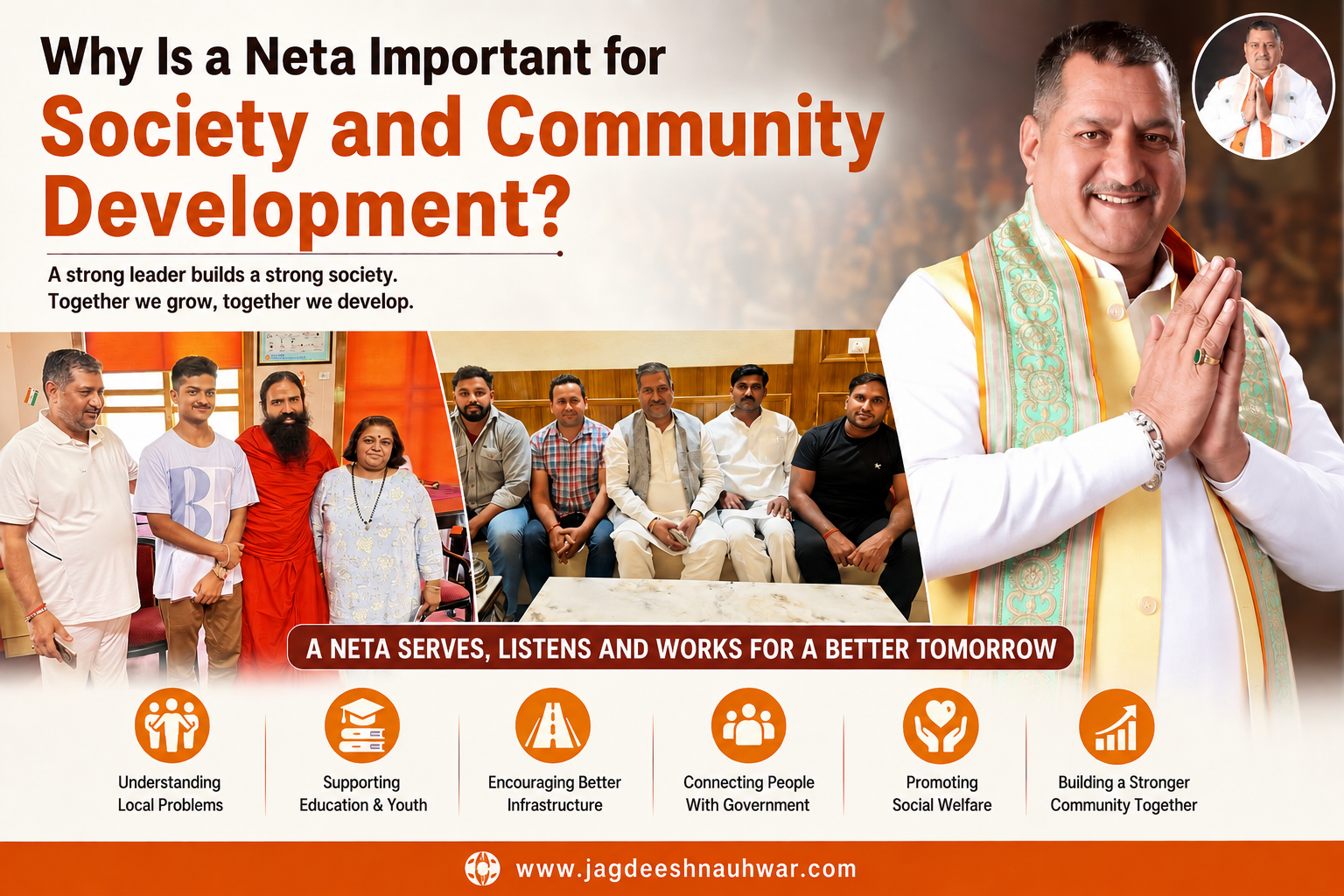
A neta plays an important role in connecting people with the political system and bringing their concerns to the attention of authorities. In India, people often look to their elected representatives and public leaders for support on issues related to education, healthcare, roads, employment, public services, and community development.
A responsible neta is not only someone who participates in politics. A good leader listens to people, understands local challenges, supports constructive development, and works toward solutions that can improve everyday life.
What Does a Neta Do for Society?
The word neta generally means a leader or representative. In a democratic society, a political leader has the responsibility to understand public concerns and represent them through the appropriate democratic institutions.
A responsible neta can contribute by:
- Listening to citizens and understanding their concerns
- Raising important local issues with government authorities
- Supporting education and youth development
- Encouraging better public infrastructure
- Promoting social welfare and community participation
- Helping people understand government schemes and services
- Supporting development projects that benefit local communities
The effectiveness of leadership is often reflected not only in speeches but also in how well a leader understands people’s everyday needs.
Why Is a Neta Important for Community Development?
Community development does not happen overnight. It requires planning, cooperation, public participation, and consistent attention to local problems. A neta can help bring these different elements together.
1. Understanding Local Problems
Every community has its own challenges. One area may need better roads, while another may require improved schools, healthcare facilities, sanitation, or employment opportunities.
A leader who regularly interacts with citizens can gain a better understanding of these issues. Listening to residents provides valuable insight into problems that may not always be visible from government offices.
2. Supporting Education and Youth
Young people are an important part of every community. Quality education, skill development, sports, and career opportunities can help young people build a stronger future.
A socially responsible leader can encourage initiatives that focus on:
- Better educational opportunities
- Skill and vocational development
- Sports and extracurricular activities
- Career awareness
- Youth participation in community programs
When young people receive the right opportunities, they can become active contributors to society.
3. Encouraging Better Public Infrastructure
Infrastructure has a direct impact on people’s daily lives. Roads, drainage systems, electricity, clean water, public transportation, and other facilities help communities function more effectively.
A neta can raise infrastructure-related concerns and advocate for development projects based on local priorities. However, meaningful development also requires coordination with government departments, proper planning, funding, implementation, and public accountability.
4. Connecting People With Government
Many citizens are unaware of the government programs and public services available to them. A public leader can help bridge this communication gap.
By helping people understand relevant schemes, procedures, and public institutions, leaders can make government services more accessible.
This role is particularly valuable when people face difficulties navigating administrative processes or understanding where to raise a particular concern.
5. Promoting Social Welfare
A strong community is one where people look beyond individual interests and support one another. Social welfare can include initiatives related to education, healthcare awareness, support for vulnerable groups, community cleanliness, and assistance during difficult situations.
For example, community-focused leadership may encourage volunteers, local organizations, and citizens to work together during emergencies or social initiatives.
What Makes a Neta a Good Leader?
Being a good political leader requires more than popularity. People generally expect their representatives to demonstrate qualities that build trust and encourage constructive participation.
Important qualities include:
- Integrity: Being honest and responsible in public life.
- Listening: Giving citizens an opportunity to express their concerns.
- Accountability: Taking responsibility for commitments and actions.
- Empathy: Understanding the experiences of different sections of society.
- Communication: Explaining ideas and development priorities clearly.
- Vision: Thinking about long-term community progress.
- Accessibility: Remaining connected with the people.
- Teamwork: Working with citizens, officials, organizations, and other stakeholders.
These qualities help create a relationship between leadership and the community based on responsibility rather than simply promises.
The Role of Jagdeesh Nauhwar Neta in Public-Focused Leadership
The idea of Jagdeesh Nauhwar Neta can be connected naturally with the broader concept of leadership focused on public service, community participation, education, youth development, and social welfare.
For any public leader, the real measure of leadership should be the ability to understand community needs, communicate with citizens, support constructive initiatives, and contribute to long-term development. A people-focused approach can encourage citizens to become active participants in the development of their own communities.
Why Public Participation Matters
A neta cannot develop a community alone. Successful community development requires cooperation between citizens, elected representatives, government officials, local organizations, and community groups.
Citizens can contribute by:
- Sharing genuine local concerns
- Participating in community initiatives
- Staying informed about public programs
- Giving constructive feedback
- Supporting cleanliness and environmental efforts
- Encouraging young people to participate in civic activities
When leadership and public participation work together, development becomes more inclusive and sustainable.
Conclusion
A neta is important for society and community development because effective leadership can connect people’s concerns with democratic institutions, encourage public participation, and support efforts toward better education, infrastructure, welfare, and opportunities.
However, meaningful leadership is not defined by a title alone. It is built through responsibility, communication, transparency, and consistent engagement with the community. A good neta understands that development is a shared responsibility and that lasting progress comes when people and leaders work together toward common goals.