
 Written by
 What Is Makeover Cosmetic Surgery and Why Does It Matter?
Makeover cosmetic surgery is a personalized approach to enhancing selected facial or body features while maintaining natural balance and proportion. People may consid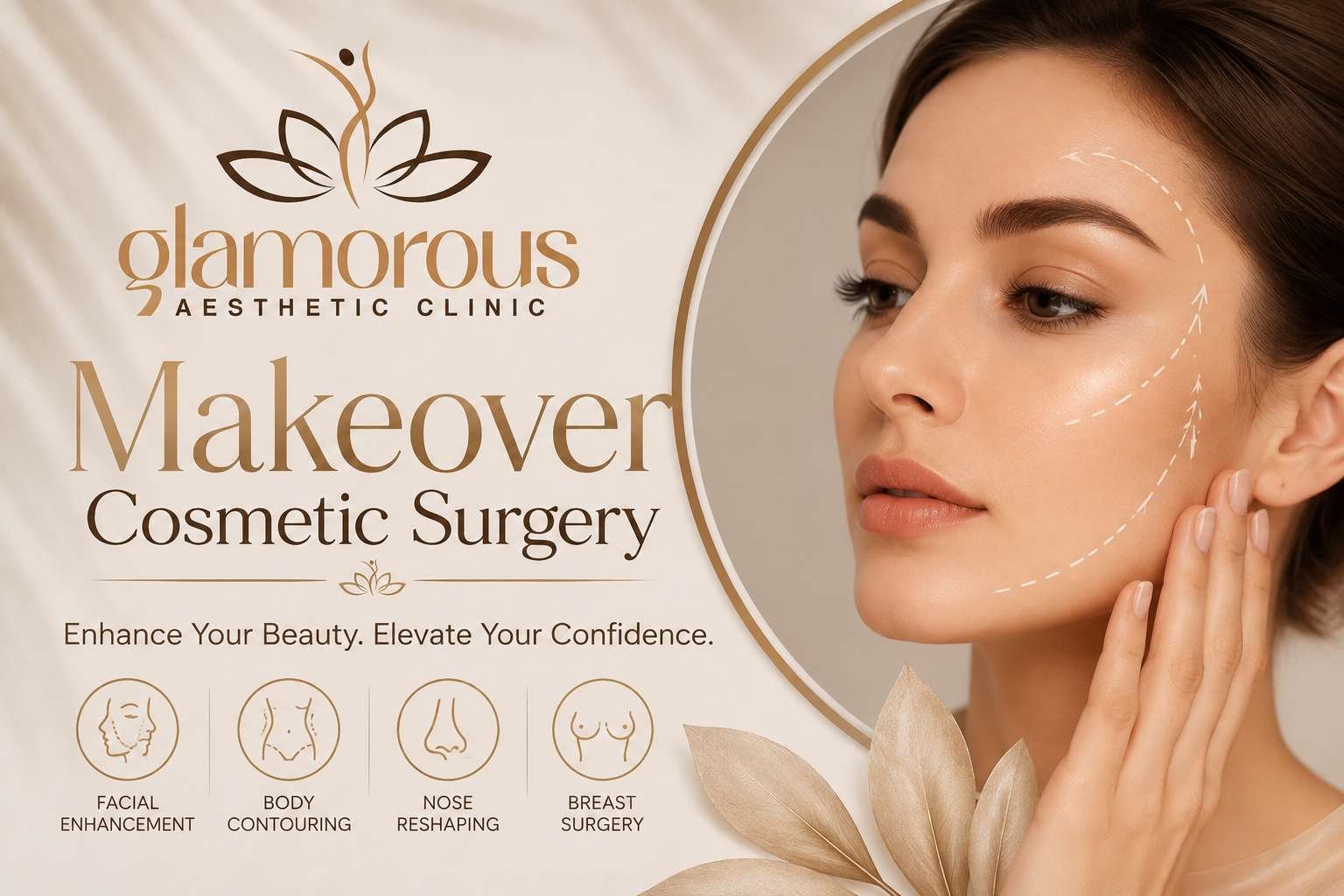 er cosmetic procedures to improve concerns related to aging, genetics, weight changes, facial proportions, or areas that have affected their confidence. Modern aesthetic care focuses on creating results that complement a person’s existing appearance instead of completely changing their identity. With proper assessment, realistic expectations, and professional guidance, cosmetic enhancement can become a carefully planned journey toward a more refined and confident appearance.
Why Are More People Interested in Cosmetic Enhancement?
The growing interest in cosmetic enhancement is influenced by advances in aesthetic medicine and the availability of personalized treatment options. People today can explore procedures designed to address specific concerns rather than relying on a single solution. Some individuals want to refresh their appearance, while others may wish to refine a feature that has always made them feel self-conscious. Aging and changes in body shape can also influence the decision. Regardless of the reason, cosmetic treatment should be considered a personal choice based on individual goals rather than outside pressure.
Which Facial Features Can Be Enhanced?
Facial aesthetic procedures can focus on different features while considering the overall balance of the face. Depending on individual needs, treatment may address the nose, eyes, cheeks, lips, chin, or jawline. Some procedures are intended to refine proportions, while others can improve definition or address visible signs of aging. Because every face has unique anatomy, the same treatment may not be appropriate for everyone. A professional consultation allows the entire face to be assessed so that treatment recommendations can be based on individual structure and desired outcomes.
Can Body Contouring Improve Your Overall Appearance?
Body contouring can be considered by people who want to improve the shape or definition of specific areas. Factors such as aging, genetics, weight fluctuations, and changes in skin firmness can influence body contours. Depending on individual circumstances, cosmetic procedures may target areas such as the abdomen, thighs, arms, or other regions. The aim is generally to improve proportion and contour rather than create an unrealistic body shape. A qualified professional can evaluate the patient’s goals and determine whether a particular procedure may be appropriate.
How Can You Select the Right Cosmetic Procedure?
Selecting the right procedure begins with identifying the concern you genuinely want to address. Patients should discuss their goals openly during a consultation and learn about the available treatment options. A qualified cosmetic professional can explain the expected benefits, limitations, recovery requirements, and potential risks of each option. Patients should also understand that not every popular procedure will be suitable for them. Making a decision based on individual anatomy, lifestyle, and realistic expectations can help create a more satisfying cosmetic treatment experience.
What Should You Look for in a Cosmetic Surgery Clinic?
Choosing the right cosmetic surgery clinic requires careful research and consideration. Patients should investigate the qualifications, training, and relevant experience of the surgeon as well as the standards of the medical facility. The clinic should provide clear information about procedures, recovery, risks, and aftercare. Professional communication is equally important because patients need to feel comfortable discussing their concerns and asking questions. A reputable clinic should focus on patient safety and realistic outcomes instead of using exaggerated claims or guaranteeing perfect results.
Why Is Personalized Treatment Planning Important?
Personalized treatment planning is essential because every person has different anatomy, proportions, skin characteristics, and aesthetic preferences. A treatment that works well for one individual may not produce the same outcome for another. During treatment planning, the professional can assess the patient’s features and determine which areas may benefit from enhancement. This approach can also help avoid unnecessary procedures by focusing on genuine concerns. The goal should be to create harmony and refinement while respecting the individual’s natural appearance.
Is Cosmetic Surgery Safe?
Cosmetic surgery is a medical procedure and should be approached with the same care given to other forms of surgery. Potential risks can vary depending on the procedure and the individual’s health. Before treatment, patients should provide accurate medical information and discuss medications, allergies, previous procedures, and other relevant concerns. The surgeon should explain possible complications as well as expected benefits. Choosing a properly qualified professional, an appropriate facility, and following postoperative instructions can help support a safer and more responsible treatment journey.
How Long Does Recovery Take After Cosmetic Treatment?
Recovery time depends on the specific procedure, the extent of treatment, and the individual’s healing response. Patients may experience temporary swelling, bruising, tenderness, or changes in appearance during the early recovery period. Some treatments involve limited downtime, while more extensive surgery may require several weeks of healing. Following professional aftercare instructions is important for supporting recovery. Patients should allow their bodies sufficient time to heal and avoid returning to demanding physical activities until their surgeon confirms that it is appropriate.
How Can You Achieve Natural-Looking Cosmetic Results?
Natural-looking results are usually achieved through careful planning and appropriate levels of enhancement. The purpose of cosmetic treatment should be to improve selected features while maintaining overall harmony. A qualified professional considers factors such as facial proportions, body structure, age, skin characteristics, and personal preferences when recommending treatment. Avoiding excessive correction can help preserve an authentic appearance. Patients should also communicate their expectations clearly and understand that individual results can vary depending on anatomy and healing.
What Questions Should You Ask Before Treatment?
Before undergoing cosmetic treatment, patients should ask about the procedure, expected results, recovery period, potential risks, aftercare, and available alternatives. It is also useful to ask about the professional’s qualifications and experience with the specific treatment. Patients should understand what the procedure can realistically achieve and what limitations may exist. Taking time to receive clear answers can reduce uncertainty and help patients feel more prepared. There should be no pressure to make an immediate decision before understanding all relevant information.
Could Cosmetic Enhancement Be Right for You?
Cosmetic enhancement may be an option for individuals who want to address specific aesthetic concerns and have realistic expectations about the outcome. Whether the goal involves facial refinement, body contouring, or a refreshed appearance, professional assessment should always come first. The best cosmetic journeys are based on personalized planning, qualified expertise, appropriate treatment selection, patient safety, and proper aftercare. When approached thoughtfully, cosmetic treatment can provide subtle yet meaningful improvements while helping individuals feel more confident and comfortable with their appearance.