
 Written by
 Sagging upper arms can develop when the skin loses elasticity or after substantial changes in body weight, creating loose tissue that may not respond to exercise alone. For people exploring surgical options, Brachioplasty in Dubai can be discussed with a qualified plastic surgeon when excess skin and tissue are significant. Dynamic Clinic in Dubai provides an example of a clinical setting where individuals can seek information about arm contouring procedures and suitability.
What Is Brachioplasty?
Brachioplasty, commonly known as an arm lift, is a surgical procedure designed to remove excess skin and reshape the upper arm. It may also involve repositioning or reducing underlying tissue depending on the individual’s anatomy and treatment goals.
Unlike exercise, which primarily affects muscle strength and body composition, brachioplasty directly addresses loose skin. The procedure is therefore considered when the main concern is excess skin rather than a small amount of localized fat.
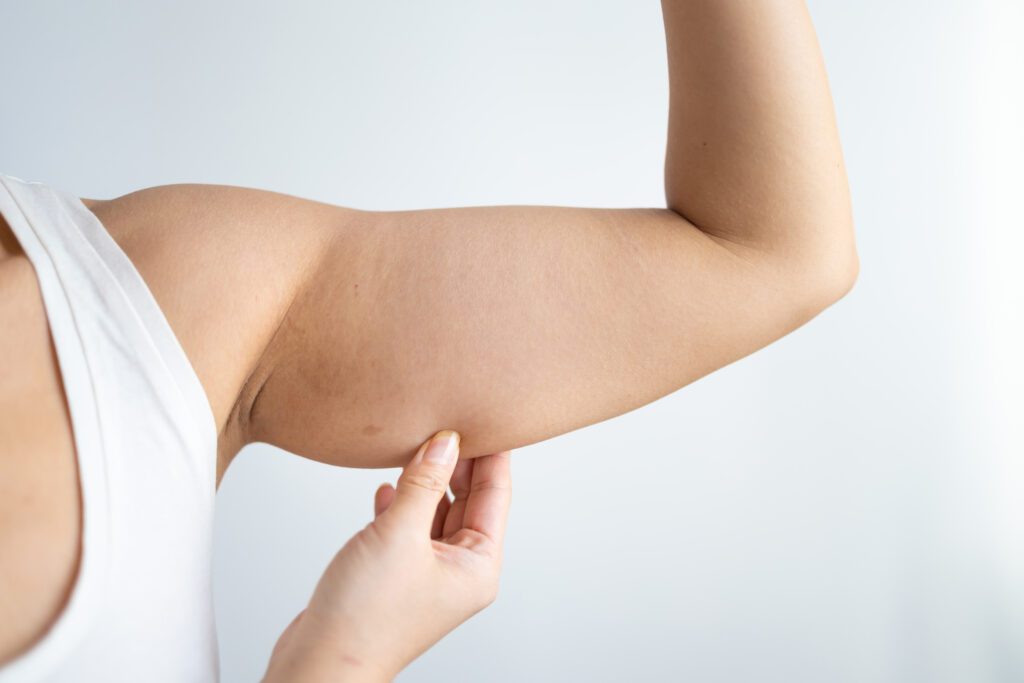
Why Do Arms Become Saggy?
Several factors can contribute to loose skin around the upper arms. Understanding the underlying cause helps determine whether surgery is an appropriate option.
Common factors include:
- Significant weight loss
- Natural aging and reduced skin elasticity
- Genetic differences in skin structure
- Changes in body composition
- Previous fluctuations in weight
- Loss of tissue firmness over time
The degree of skin laxity varies considerably between individuals. Some people may have mild looseness, while others can develop substantial folds extending from the upper arm toward the elbow.
When Is Brachioplasty Considered?
Brachioplasty may be considered when excess skin is substantial enough to affect the appearance or contour of the upper arm. A consultation is particularly relevant when loose tissue remains despite maintaining a relatively stable weight and following regular physical activity.
Typical considerations include:
Significant Excess Skin
An arm lift is more commonly considered when there is a noticeable amount of redundant skin. This can occur following major weight loss, when the skin has stretched considerably and does not retract to match the reduced underlying volume.
Persistent Skin Laxity
Skin that remains loose for an extended period may indicate reduced elasticity. In such cases, strengthening the underlying muscles may improve arm definition but cannot remove the excess skin itself.
Stable Body Weight
Maintaining a stable weight is an important part of assessing candidacy. Further substantial weight changes can alter the amount and distribution of skin, potentially affecting the surgical plan.
Realistic Expectations
A person considering brachioplasty should understand what the procedure is designed to address. It focuses primarily on excess skin and arm contour rather than serving as a substitute for weight management or general fitness.
Who May Be a Candidate?
Suitability is determined individually rather than by age or a single physical measurement. During an assessment, a surgeon may consider:
- The amount and location of excess skin
- Skin elasticity
- Overall physical health
- Weight stability
- Existing medical conditions
- Previous procedures or treatments
- Individual expectations and goals
- Ability to follow postoperative instructions
A physical examination is important because photographs or descriptions alone cannot show the full extent of tissue laxity.
What Happens During the Assessment?
A consultation typically begins with a discussion of the individual’s concerns and desired arm contour. The surgeon examines the upper arms and evaluates the distribution of excess skin and soft tissue.
The assessment may also include questions about health history, medications, previous operations, weight changes, and lifestyle factors. Based on these findings, the surgeon can explain whether brachioplasty is appropriate or whether another approach may better address the concern.
Is Surgery Always Necessary for Sagging Arms?
No. Mild upper-arm laxity does not automatically require surgery. The appropriate approach depends on whether the primary concern involves loose skin, localized fat, muscle definition, or a combination of factors.
When skin excess is limited, non-surgical approaches may sometimes be discussed. However, significant redundant skin generally requires a different treatment strategy because external procedures cannot physically remove large amounts of excess tissue.
What Should You Consider Before an Arm Lift?
Before deciding on brachioplasty, individuals should consider both the physical and practical aspects of surgery. Important questions include:
- Is the loose skin persistent despite stable weight?
- Is excess skin the primary concern?
- Are expectations realistic?
- Is overall health suitable for elective surgery?
- Are you prepared to follow postoperative care instructions?
- Have you discussed potential scarring and the location of surgical incisions?
These factors can help make the consultation more focused and support informed decision-making.
Conclusion
Brachioplasty is generally considered when sagging upper-arm skin is significant, persistent, and unlikely to improve sufficiently through lifestyle measures alone. Significant weight loss, aging, reduced skin elasticity, and changes in body composition can all contribute to the development of excess arm skin. A qualified plastic surgeon can assess the individual’s anatomy, health, expectations, and degree of skin laxity before determining whether an arm lift is appropriate.