
 Written by
 A tummy tuck, also known as abdominoplasty, is a surgical procedure designed to address excess abdominal skin and certain forms of muscle laxity. For people researching Tummy Tuck Dubai, understanding candidacy is more important than focusing only on the procedure itself, particularly when considering treatment options in Dubai.
What Is a Tummy Tuck?
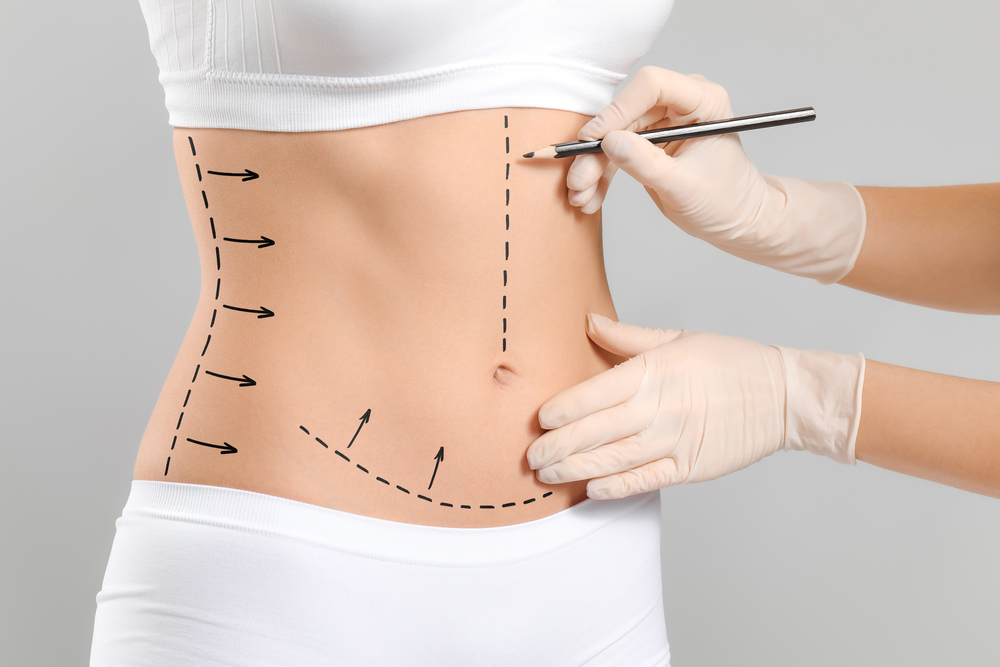
A tummy tuck reshapes the abdominal area by removing selected excess skin and, when appropriate, tightening weakened or separated abdominal muscles. The procedure may also improve the appearance of the lower abdomen when loose tissue remains after significant changes in body weight, pregnancy, or natural aging.
Unlike weight-loss procedures, abdominoplasty is generally intended for body contouring. It does not replace healthy weight management and is not designed to treat overall obesity.
Who May Be a Suitable Candidate?
Candidacy depends on several physical and lifestyle factors rather than a single measurement. A person may be considered for a tummy tuck when they have:
- Excess or loose abdominal skin that does not respond to exercise
- Abdominal laxity following pregnancy or substantial weight loss
- Localized abdominal tissue affecting body contour
- Stable body weight for a reasonable period
- Realistic expectations about what surgery can and cannot change
- Overall health that allows for elective surgery and recovery
An individual assessment is needed because abdominal anatomy, skin quality, muscle condition, previous surgery, and personal medical history can all affect suitability.
Stable Weight Matters
People considering abdominoplasty are generally encouraged to reach a stable weight before surgery. Significant future weight fluctuations can alter the abdominal contour and may affect the surgical result.
Those who are still actively losing a substantial amount of weight may be advised to postpone body-contouring surgery until their weight has stabilized. This is particularly relevant after major weight loss, when the amount and distribution of excess skin can change as the body settles.
Pregnancy and Tummy Tuck Candidacy
Pregnancy can stretch the abdominal skin and may contribute to separation or weakening of the abdominal muscles. A tummy tuck can address certain changes that remain after childbirth, but timing is an important consideration.
Someone planning another pregnancy may be advised to wait because a future pregnancy can stretch the repaired abdominal tissues and change the contour again. Individual circumstances should be discussed during a surgical consultation.
When Abdominal Muscle Repair May Be Relevant
Loose skin is not the only factor assessed during a tummy tuck consultation. The abdominal wall may also develop muscle separation, commonly referred to as diastasis recti, particularly after pregnancy.
Where appropriate, muscle repair can form part of abdominoplasty. However, not every person with abdominal fullness or laxity needs muscle tightening. A physical examination helps determine whether muscle separation is present and whether surgical repair is relevant.
Skin Quality and Abdominal Anatomy
Skin elasticity can influence how the abdomen responds to surgery. Factors such as age, pregnancy, previous weight changes, sun exposure, and genetics may affect skin quality.
During an assessment, attention may be given to:
- The amount and location of excess skin
- Abdominal muscle condition
- Skin elasticity
- Existing scars from previous operations
- Distribution of abdominal tissue
- Overall body proportions
These factors help determine whether a tummy tuck is appropriate and which surgical approach may be suitable.
Who May Need to Delay Surgery?
Some circumstances may make immediate elective surgery inappropriate. A person may need further evaluation or preparation when there is:
- Unstable body weight
- Certain uncontrolled medical conditions
- Active infection
- Smoking or nicotine use that could affect healing
- Plans for pregnancy in the near future
- Unrealistic expectations about surgical outcomes
Medical history, medications, previous abdominal operations, and lifestyle factors should be disclosed during consultation so that potential risks can be assessed properly.
Tummy Tuck Is Not a Weight-Loss Procedure
One of the most important distinctions is between removing excess abdominal tissue and losing body weight. Abdominoplasty is primarily a contouring procedure. It may remove a quantity of excess skin and tissue, but it should not be viewed as an alternative to weight-loss treatment.
People with significant excess weight may require a different treatment plan before considering body-contouring surgery. Maintaining a healthy lifestyle remains important before and after the procedure.
What Happens During a Candidacy Assessment?
A consultation typically involves reviewing the person’s goals, medical history, previous surgeries, weight history, abdominal concerns, and expectations. The abdominal area may be examined to assess skin laxity, tissue distribution, muscle condition, and existing scars.
Questions about recovery, activity restrictions, wound care, and potential complications are also relevant. A qualified surgical professional can explain whether abdominoplasty is appropriate or whether another approach better addresses the individual’s concerns.
Conclusion
Tummy tuck candidacy is based on more than having excess abdominal skin. Stable weight, abdominal anatomy, skin quality, overall health, pregnancy plans, previous surgery, and realistic expectations can all influence suitability. For people exploring Tummy Tuck Dubai, a personalized medical assessment is essential for understanding the potential benefits, limitations, risks, and appropriate surgical approach.