
 Written by
 Removing stubborn fat can change the outline of a body area, but some people have another concern: what happens to the skin after the unwanted fat has been reduced? For people considering BodyTite Liposuction in Islamabad, this question is particularly relevant because BodyTite technology is associated with radiofrequency-assisted liposuction and soft-tissue contraction. The treatment is designed as a body-contouring approach rather than a general weight-loss method, so understanding what it can and cannot accomplish is important before making a decision.
What Makes BodyTite Different From Basic Fat Removal?
Traditional liposuction primarily focuses on removing localized fat deposits through suction. BodyTite uses radiofrequency-assisted technology as part of a minimally invasive approach, allowing the surgeon to address soft tissue while performing body contouring. In other words, the treatment is not simply about making an area smaller. The surgeon also considers the quality and behavior of the surrounding tissue when planning the procedure.
This distinction can matter for patients who have localized fat together with some degree of skin laxity. However, BodyTite should not be presented as a universal solution for significant excess skin. When a large amount of loose skin is present, a surgical skin-removal procedure may still be more appropriate.
How Does Radiofrequency-Assisted Liposuction Work?
BodyTite uses an internal and external electrode system to deliver controlled radiofrequency energy within the treatment area. The technology is designed to provide thermal effects in the underlying tissue while incorporating real-time monitoring features. In clinical literature and manufacturer information, BodyTite is described as a radiofrequency-assisted lipo-coagulation technology used for body contouring and soft-tissue contraction.
The exact technique, energy settings, treatment depth and amount of fat removal are determined by the surgeon. These decisions should never be based on the device name alone because every patient’s anatomy and treatment goals are different.
Can It Help With Loose-Looking Skin?
Skin elasticity plays a major role in how a body area looks after fat reduction. When skin has reasonable elasticity, it may adapt more effectively to the new contour. When skin is significantly loose or has poor elasticity, removing fat alone may not create the desired appearance and can sometimes make laxity more noticeable.
BodyTite may be considered when a patient has localized fat and mild-to-moderate tissue laxity that can potentially benefit from a less extensive contouring approach. The important point is that skin tightening should be discussed as a potential component of treatment, not as a guaranteed outcome.
Who May Consider This Type of Treatment?
A suitable candidate is usually assessed according to overall health, body composition, skin quality, the amount and location of localized fat, and realistic expectations. Liposuction is generally intended for contouring specific areas rather than treating overall obesity. A person with a relatively stable weight and localized deposits that have not responded sufficiently to lifestyle measures may be considered for body-contouring treatment.
During consultation, the surgeon can determine whether BodyTite-assisted treatment is appropriate or whether another procedure would better address the patient’s concerns.
What Areas Can Be Treated?
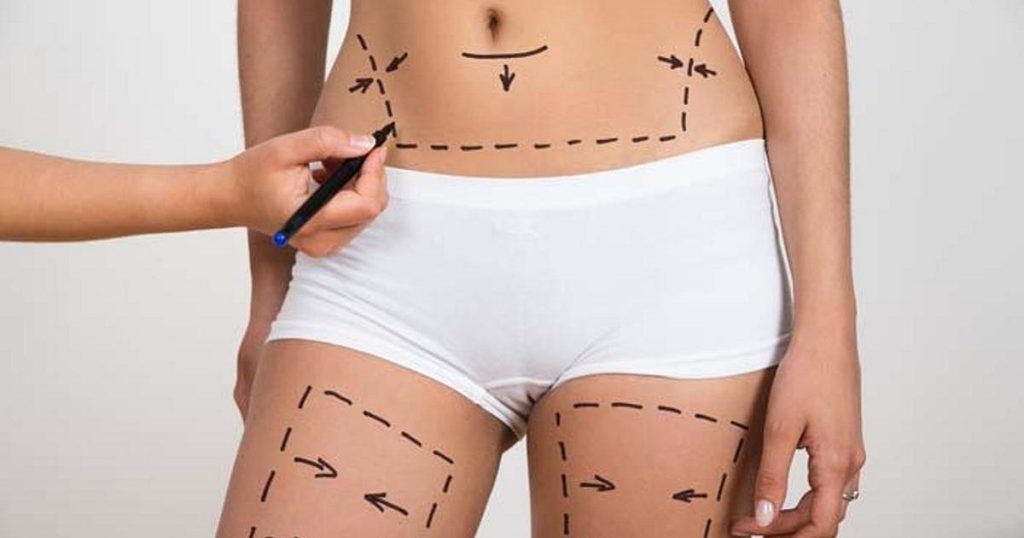
Depending on the patient’s anatomy and the surgeon’s plan, body-contouring procedures may address areas such as the abdomen, hips, thighs, arms, back or other localized regions. Liposuction itself is commonly used for several of these areas.
BodyTite is not automatically appropriate for every body region or every patient. The treatment area needs to be assessed individually, particularly when skin laxity is one of the main concerns.
What Should You Expect During Consultation?
A proper consultation should focus on more than asking how much fat can be removed. The surgeon should examine the treatment area, discuss the patient’s goals, evaluate skin elasticity and explain realistic outcomes.
It is also important to discuss medical history, medications, previous procedures and any factors that could affect healing. Cosmetic surgery carries risks, and the suitability of treatment depends partly on the patient’s health and the extent of the planned procedure.
Does Better Contouring Mean More Fat Removal?
Not necessarily. Successful body contouring is not simply a matter of removing the greatest possible amount of fat. The surgeon must consider proportions, tissue quality and the overall shape of the treated area.
Removing excessive fat can create contour irregularities or make loose skin more noticeable. Mayo Clinic notes that uneven fat removal and poor skin elasticity can contribute to irregular contours after liposuction.
What Happens After Treatment?
Swelling, bruising and discomfort can occur after liposuction-based procedures. Recovery varies according to the treatment area and extent of surgery. Compression garments may be recommended, and normal activities are usually resumed gradually according to the surgeon’s instructions.
The final contour does not appear immediately. Swelling can take weeks to settle, while the final appearance may continue to develop over several months.
Conclusion
BodyTite can be considered when the goal is to address localized fat while also taking soft-tissue contraction into account. Its radiofrequency-assisted approach makes it different from conventional suction alone, but it is not a universal answer for every type of loose skin. The most suitable treatment depends on the amount of fat, skin elasticity, treatment area, general health and desired contour. A detailed consultation with a qualified surgeon is therefore the best way to determine whether this approach matches an individual’s goals.