
 Written by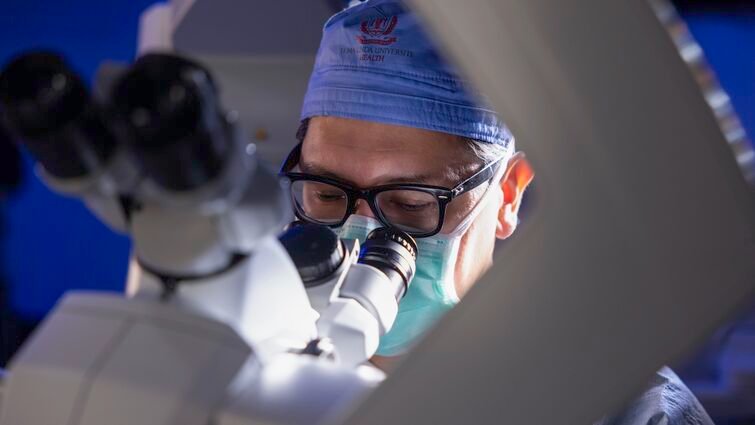
A diagnosis of a skull base tumor often raises many questions, and one of the most common is: What is the success rate of skull base tumor surgery? While outcomes vary depending on the type, size, and location of the tumor, advances in neurosurgical techniques have significantly improved success rates and patient recovery.
Understanding Skull Base Tumors
Skull base tumors develop at the bottom of the skull, near critical structures such as the brain, cranial nerves, blood vessels, and sensory organs. These tumors may be benign or malignant and often require specialized treatment due to their complex location.
Common skull base tumors include:
- Meningiomas
- Acoustic Neuromas (Vestibular Schwannomas)
- Pituitary Tumors
- Chordomas
- Craniopharyngiomas
What Does “Success” Mean in Skull Base Surgery?
Success is measured by several factors, including:
- Complete or near-complete tumor removal
- Preservation of neurological function
- Relief of symptoms
- Prevention of tumor recurrence
- Improved quality of life
In many cases, success is not only about removing the tumor but also about protecting nearby nerves and blood vessels.
Factors That Influence Success Rates
Tumor Type
Some benign tumors have excellent surgical outcomes, while more aggressive tumors may require a combination of surgery, radiation therapy, and ongoing monitoring.
Tumor Size and Location
Smaller tumors detected early are often easier to treat. Tumors located near major blood vessels or cranial nerves may present additional surgical challenges.
Patient Health
Overall health, age, and medical history can influence both surgical outcomes and recovery.
Surgical Expertise
Outcomes are often better when surgery is performed by experienced skull base neurosurgeons working within a multidisciplinary team.
How Modern Technology Has Improved Outcomes
Today’s skull base surgery techniques are more advanced than ever. Technologies that help improve success rates include:
- High-resolution MRI and CT imaging
- Intraoperative navigation systems
- Endoscopic endonasal surgery
- Microsurgical techniques
- Advanced neuro-monitoring
These innovations help surgeons remove tumors more precisely while minimizing damage to surrounding structures.
Recovery and Long-Term Outlook
Recovery varies depending on the procedure and individual patient. Many patients experience significant symptom improvement and can return to normal activities after healing. Regular follow-up imaging is often recommended to monitor for recurrence.
When to Choose a Specialized Skull Base Center
Because skull base tumors are located in highly sensitive areas, treatment at a specialized center can be beneficial. Experienced teams often include neurosurgeons, ENT specialists, neuro-oncologists, radiologists, and rehabilitation professionals working together to optimize outcomes.
Conclusion
The success rate of skull base tumor surgery depends on many factors, including tumor type, size, location, and surgical expertise. Thanks to advances in minimally invasive techniques and specialized skull base care, many patients achieve excellent outcomes with improved safety and recovery. If you have been diagnosed with a skull base tumor, consulting an experienced skull base specialist can help you better understand your treatment options and expected results.