
 Written by
 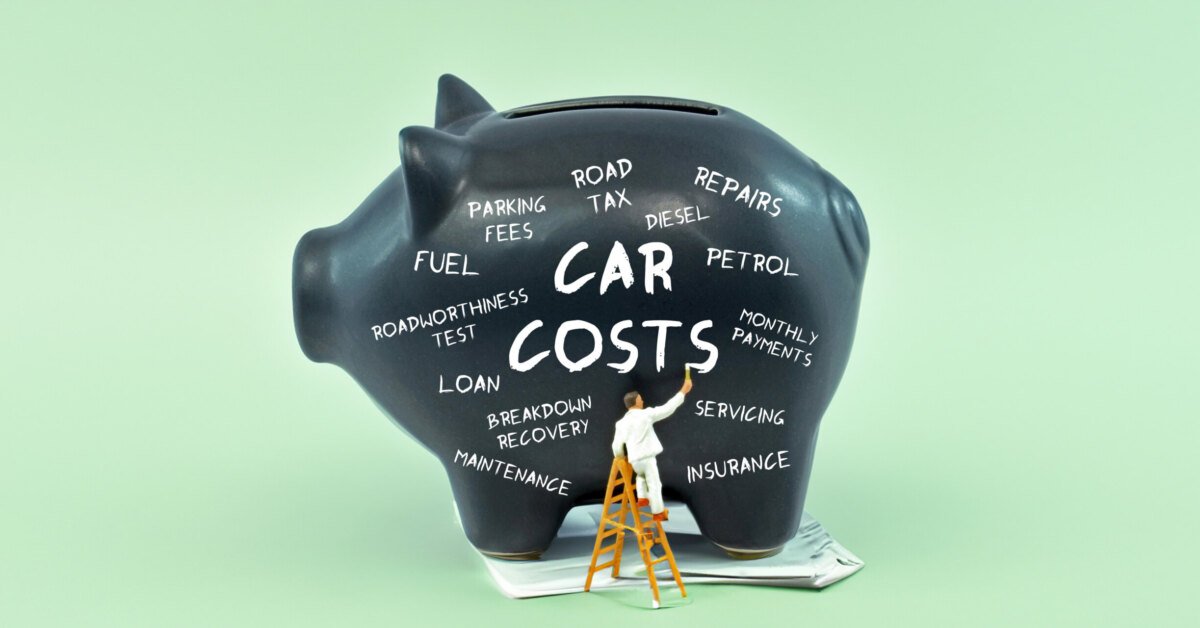 Keeping a car in good condition does not have to mean spending heavily on every service visit. The biggest savings usually come from preventive maintenance, timely inspections, correct parts, sensible driving, and avoiding repairs that become expensive because they were delayed. This guide explains practical ways to lower car maintenance costs while protecting safety, reliability, and vehicle life.
1. Follow the Manufacturer’s Maintenance Schedule
The simplest way to control maintenance costs is to follow the service schedule in the vehicle’s owner’s manual.
Manufacturers specify service intervals for components such as:
- Engine oil and oil filters
- Air and cabin filters
- Brake components
- Spark plugs
- Transmission fluid
- Coolant
- Drive belts
- Tires
- Battery
- Suspension components
Do not automatically replace every component earlier than the manufacturer recommends. Instead, follow the specified interval unless driving conditions require more frequent service.
Why it saves money: Preventive maintenance costs less than repairing damage caused by neglected oil, overheating, worn brakes, or deteriorated fluids.
2. Change Engine Oil at the Correct Interval
Engine oil protects moving components from friction, heat, and contamination. Old or unsuitable oil can reduce lubrication and increase engine wear.
Use the oil viscosity and specification recommended for your vehicle. Check the oil level periodically, particularly before long journeys or when the vehicle has a history of consuming oil.
Maintenance item | What to do | Potential consequence of neglect |
Engine oil | Replace at the recommended interval | Increased engine wear |
Oil filter | Replace with the oil | Contaminated oil circulation |
Coolant | Check level and condition | Overheating |
Brake fluid | Follow the service schedule | Reduced braking performance |
Transmission fluid | Follow manufacturer requirements | Transmission wear |
A low-cost oil change can prevent a much larger engine repair bill.
3. Check Tire Pressure Regularly
Incorrect tire pressure affects more than fuel consumption. Underinflated tires create additional rolling resistance and can increase tread wear.
Check pressure when the tires are cold and follow the pressure listed by the vehicle manufacturer rather than the maximum pressure printed on the tire sidewall.
Also inspect:
- Tread depth
- Uneven wear
- Cracks
- Bulges
- Embedded objects
- Valve condition
Correct pressure helps the tires wear more evenly and reduces the likelihood of premature replacement.
4. Do Not Ignore Small Warning Signs
A strange sound, warning light, vibration, fluid leak, or change in vehicle behavior can indicate a developing problem.
Deal with minor symptoms before they affect additional components.
For example, replacing a worn brake pad is generally simpler than allowing the pad to wear down until it damages the brake disc. Similarly, fixing a small coolant leak can prevent overheating and potentially severe engine damage.
A useful maintenance rule is simple: investigate unusual changes early instead of waiting for a breakdown.
5. Keep the Cooling System in Good Condition
Heat places significant stress on an engine, particularly in hot climates.
Check the cooling system periodically and make sure it has the correct coolant mixture. Inspect the radiator, hoses, expansion tank, thermostat, cooling fans, and water pump when symptoms indicate a problem.
Never rely on plain water as a permanent replacement for the correct coolant specified for the vehicle.
Overheating can turn a relatively inexpensive cooling-system problem into major engine damage.
6. Replace Filters When They Actually Need Replacement
Filters protect important vehicle systems, but replacing them unnecessarily can waste money.
Engine air filters become restricted as they collect dust and debris. Cabin filters also become dirty and can reduce airflow through the climate-control system.
Follow the manufacturer’s replacement interval and inspect the filter when driving conditions are particularly dusty.
This matters in environments where vehicles regularly encounter construction dust, desert conditions, or heavy road pollution.
7. Maintain the Battery Before It Fails
A weak battery can leave a vehicle unable to start and may create additional electrical problems.
Inspect the battery terminals for corrosion and check the battery condition when the vehicle shows signs of slow starting.
Vehicles that remain parked for long periods can also experience battery discharge. Regular use or an appropriate battery-maintenance solution can help reduce unnecessary replacement.
Do not replace a battery solely because it has reached a certain age if testing shows that it remains healthy. At the same time, do not ignore repeated starting problems.
8. Drive Smoothly to Reduce Wear
Driving habits directly influence maintenance requirements.
Aggressive acceleration, hard braking, excessive speeding, and frequent harsh cornering can increase wear on tires, brakes, suspension components, and drivetrain parts.
Instead:
- Accelerate progressively.
- Brake smoothly when traffic conditions allow.
- Avoid unnecessary hard launches.
- Slow down before rough roads and speed bumps.
- Do not carry unnecessary weight.
- Avoid riding the brake pedal downhill.
- Allow the engine and drivetrain to operate normally rather than constantly driving aggressively.
Smooth driving can reduce wear while also improving fuel efficiency.
9. Keep the Vehicle Clean
Regular washing is not only cosmetic maintenance. Dirt, road contaminants, and accumulated debris can affect certain vehicle components over time.
Pay particular attention to the underbody after driving through muddy or heavily contaminated areas. Clean the wheels and inspect the brakes when washing the vehicle.
Keeping the interior clean also helps protect upholstery, dashboard materials, carpets, and electronic controls.
10. Compare Parts and Service Prices
Maintenance prices can vary significantly between workshops and parts suppliers.
Before approving non-emergency work, compare:
- The workshop’s labor charge.
- The exact replacement part.
- The part’s manufacturer.
- The warranty.
- The recommended repair.
- Any additional work included in the quotation.
Avoid choosing a workshop solely because it offers the lowest price. Extremely cheap parts or poorly performed repairs can create additional costs later.
A better approach compares total value, part quality, workmanship, warranty, and price.
11. Use the Correct Replacement Parts
Cheap parts can sometimes cost more in the long run if they fail prematurely.
Use parts that meet the vehicle manufacturer’s required specifications. Depending on the component, this may mean using genuine parts or reputable aftermarket alternatives that meet the appropriate standards.
This is particularly important for:
- Brake components
- Engine components
- Filters
- Belts
- Batteries
- Suspension parts
- Tires
- Fluids
Ask the workshop what part it plans to install before approving the repair.
12. Keep Maintenance Records
Maintain a simple record of every service and repair.
Record:
- Date
- Mileage
- Service performed
- Parts replaced
- Fluid used
- Workshop
- Cost
- Next recommended service
A maintenance history helps identify recurring problems and prevents unnecessary replacement of parts that were recently installed.
It also becomes useful when selling the vehicle because prospective buyers can understand how the vehicle was maintained.
13. Reduce Maintenance Costs When You Do Not Need to Own a Car
Maintenance expenses do not only come from servicing. Ownership also brings tire replacement, registration-related expenses, insurance, depreciation, parking, unexpected repairs, and other running costs.
If you only need a vehicle occasionally, using daily car rental services or short-term car rental can remove some ownership-related maintenance responsibilities.
For longer periods, a monthly car rental can also provide access to a vehicle without requiring the renter to manage routine ownership maintenance in the same way as a privately owned vehicle.
For people comparing this approach in Dubai, Great Dubai’s car rental information can be useful when evaluating rental options against the costs of keeping an additional vehicle.
The important comparison is not simply the rental price versus a monthly car payment. Consider the full cost of ownership, including servicing, tires, repairs, insurance, depreciation, parking, and registration-related expenses.
14. Do Not Delay Brake and Tire Repairs
Some maintenance expenses should never be postponed simply to save money.
Brake problems and tire defects can directly affect vehicle safety. Replace worn brake components and damaged tires according to professional inspection and manufacturer requirements.
Look for warning signs such as:
- Grinding or squealing brakes
- Steering vibration during braking
- Pulling to one side
- Cracked tires
- Tire bulges
- Excessive tread wear
- Persistent tire-pressure loss
Saving money on safety-critical repairs can create much larger financial and safety consequences.
15. Avoid Unnecessary Add-On Services
Some workshops recommend additional services during routine maintenance. Not every recommendation is automatically necessary.
Ask three questions:
What problem does this service solve?
Does the manufacturer recommend it?
What happens if I delay it?
This approach helps distinguish essential maintenance from optional services.
For example, a workshop may recommend an expensive cleaning or treatment that the manufacturer does not require. Ask for evidence of the need before approving it.
16. Plan Maintenance Instead of Waiting for Emergencies
Unexpected repairs are difficult to budget for. Planned maintenance is easier to manage.
Create a monthly maintenance allowance based on your vehicle’s age, mileage, condition, and expected service requirements.
A simple maintenance budget can include:
Expense | Planning approach |
Routine servicing | Set aside money based on service intervals |
Tires | Budget for eventual replacement |
Battery | Allow for periodic replacement |
Brakes | Monitor wear during inspections |
Unexpected repairs | Keep an emergency reserve |
Fluids and filters | Include in routine servicing budget |
Older or high-mileage vehicles generally require more attention, so their maintenance reserve should reflect their condition.
17. Inspect a Used Car Before Buying It
The cheapest maintenance problem is often the one you avoid by choosing the right vehicle.
Before buying a used car, arrange an independent inspection. A qualified technician can check the engine, transmission, suspension, brakes, tires, cooling system, electrical components, and signs of previous accident damage.
A vehicle with a lower purchase price can become expensive if it needs major repairs immediately after purchase.
Final Takeaway
Reducing car maintenance costs does not mean skipping necessary servicing. It means preventing expensive failures, replacing parts at the appropriate time, comparing repair costs, and maintaining the vehicle according to its actual needs.
The most effective approach combines regular inspections, correct fluids and parts, proper tire care, sensible driving, accurate maintenance records, and early attention to warning signs.
If vehicle ownership itself creates more maintenance expense than the vehicle’s actual use justifies, compare the total annual ownership cost with options such as weekly car rental, monthly car rental, or other rental periods that match how often you actually need a vehicle.