
 Written by
 Persistent chest fullness can be a frustrating concern for men, particularly when it remains noticeable despite maintaining a healthy lifestyle or exercising regularly. Gynecomastia may involve enlarged glandular breast tissue, excess fat, or both, creating a chest profile that feels disproportionate to the rest of the body. For suitable candidates, Gynecomastia surgery in Riyadh can help address unwanted tissue and refine the chest contour according to individual anatomy and treatment goals.
Understanding Persistent Chest Fullness
Not every enlarged male chest has the same cause. Some men have firm glandular tissue beneath the nipple, while others have predominantly fatty deposits across the chest. Understanding the source of fullness is an important first step before considering surgical treatment.
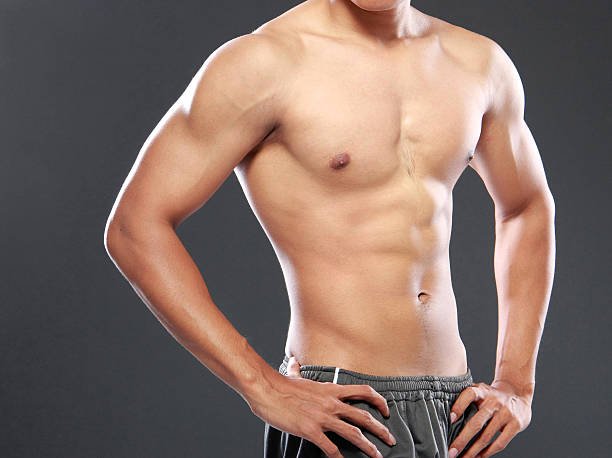
Glandular Tissue and Fat
Glandular tissue is generally firmer and can create noticeable projection around the nipple area. Fatty tissue is softer and may be distributed more broadly across the chest. A person can also have both types of tissue at the same time.
Why Fullness May Persist
Gynecomastia can be associated with hormonal fluctuations, puberty, aging, weight changes, certain medications, or other underlying factors. A professional assessment can help determine the possible contributors to persistent enlargement.
When Lifestyle Changes Do Not Resolve Fullness
Exercise and healthy eating can improve overall body composition, but they do not necessarily eliminate enlarged glandular breast tissue. Men who continue to experience persistent chest fullness may therefore explore other treatment options.
Understanding the Difference
Fat-related chest fullness may change with overall weight reduction, whereas firm glandular tissue can remain. Distinguishing between these components can help determine whether surgical treatment may be appropriate.
How Surgery Addresses Excess Chest Tissue
Gynecomastia surgery in Riyadh may involve liposuction, surgical excision, or a combination of both. The selected approach depends on the type and amount of tissue contributing to the enlarged appearance.
Liposuction for Fatty Deposits
When excess fat is a significant contributor, liposuction may be used to reduce localized deposits and improve the surrounding chest contour. The objective is to create a smoother transition rather than simply remove volume from one area.
Excision for Glandular Tissue
When firm glandular tissue causes persistent projection, surgical excision may be considered. This allows the surgeon to directly address tissue that cannot be adequately treated through fat removal alone.
Why Individualized Treatment Matters
Each man’s chest has its own proportions, tissue distribution, and skin characteristics. A personalized treatment plan can account for these differences and establish realistic expectations.
Assessing Chest Symmetry
One side may naturally contain more tissue than the other. The surgeon can evaluate both sides and plan treatment accordingly, although complete symmetry cannot always be guaranteed.
Evaluating Skin Elasticity
Skin quality can affect how the chest settles after tissue removal. If the skin has good elasticity, it may adapt more readily to the new contour, while significant laxity may require additional consideration.
What to Expect During Consultation
A consultation typically involves discussing your concerns, medical history, medications, previous procedures, and desired outcome. The surgeon may physically assess the chest to understand the type and distribution of excess tissue.
Discussing Your Goals
Be clear about what concerns you most, whether it is nipple projection, overall chest fullness, asymmetry, or a desire for greater definition. This conversation helps connect your expectations with what may realistically be achieved.
Recovery After Surgery
Recovery varies depending on the technique used and the extent of treatment. Temporary swelling, bruising, tightness, and sensitivity may occur during the early healing period.
Supporting the Healing Process
Your surgical team may recommend compression garments, wound-care instructions, activity restrictions, and follow-up appointments. Following these instructions can help protect the treated area while it heals.
Returning to Exercise
Strenuous exercise and heavy lifting may need to be avoided temporarily. Your surgeon can advise when different activities can safely resume according to your individual recovery.
Understanding the Results
The chest may appear swollen immediately after surgery, so the early appearance should not be considered the final outcome. As swelling decreases and tissues settle, the contour generally becomes clearer.
Developing a Natural Chest Profile
The goal is usually to reduce unwanted fullness while maintaining proportion with the shoulders, abdomen, and surrounding upper body. Gynecomastia surgery in Riyadh may help create a flatter and more balanced chest appearance when treatment is appropriately planned.
Long-Term Considerations
Maintaining a stable weight and healthy lifestyle can support the appearance of the chest after recovery. However, hormonal changes, certain medications, or other factors can contribute to future changes in breast tissue.
Monitoring New Changes
If new or recurring chest enlargement develops, professional evaluation can help determine the underlying cause. Surgical treatment does not eliminate every potential reason for future tissue changes.
Book an Appointment
If persistent chest fullness continues to concern you, a professional consultation can help you understand whether surgery may be appropriate for your situation. At Royal Clinic Saudi, you can discuss your concerns and receive individualized guidance regarding treatment techniques, preparation, recovery, and expected results.
FAQs:
Can gynecomastia remain despite exercise?
Yes. Exercise may reduce overall body fat but does not necessarily remove enlarged glandular breast tissue.
Is persistent chest fullness always gynecomastia?
No. Chest fullness can have different causes, so professional assessment is important for identifying the underlying tissue.
Can both fat and glandular tissue be treated?
Yes. Liposuction and surgical excision may be combined when both types of tissue contribute to enlargement.
How long until the chest contour becomes clearer?
The appearance develops gradually as swelling decreases and the tissues settle during the healing process.