
 Written by
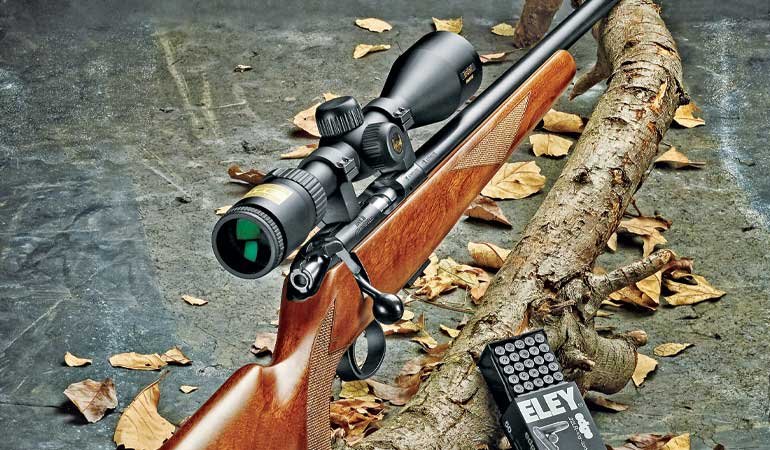
Buying your first bolt-action rifle is genuinely exciting, but the factory configuration it ships with is rarely the best it can be. A few smart setup steps right out of the box will save you months of frustration at the range and build good habits while they are still easy to build — and a couple of clothing decisions will keep your first cold hunts from being miserable enough to put you off the sport. Here is a beginner-friendly walkthrough that covers both the rifle and the conditions you will use it in.
1. Clean and Inspect
Strip the factory preservative grease, check the bedding where the action meets the stock, and make sure everything is torqued to the maker’s spec. A single loose action screw will chase you with mysterious, maddening fliers for months and make you doubt your own shooting when the rifle is actually the problem. Start with a rifle you trust mechanically so that any accuracy issue you find later is genuinely yours to fix, not the gun quietly working against you.
2. Address the Trigger Early
Most factory triggers are set deliberately heavy for liability reasons, and a heavy pull teaches new shooters to flinch from the very first range trip onward. That habit is far harder to unlearn later than it is to simply avoid from the start. If your rifle is built on the era-defining bolt action, it is worth reading whether a remington 700 trigger upgrade is worth it before you ingrain bad mechanics — a lighter, cleaner break makes learning solid fundamentals dramatically easier and protects you from training a flinch into your hands during the exact period when habits set hardest.
3. Mount Glass Properly
Level the rifle in a vise, level the reticle to it, torque the rings evenly, and set your eye relief for a natural, repeatable cheek weld. Do it once and do it carefully. A canted reticle or wrong eye relief will frustrate you on every shot you take afterward and is completely avoidable with ten patient minutes during the initial setup, rather than a lifetime of small annoyances.
4. Find Your Ammo
Rifles are famously picky eaters. Try a few different loads, shoot proper groups with each one off a steady rest, and let the target tell you what your particular barrel actually likes rather than guessing. Once you find the load that groups best for your rifle, buy it in bulk and stick with it. Chasing a new so-called magic load every range trip is a great way to spend money and never actually learn how your rifle shoots.
5. Dress So You Can Actually Hunt
Setup is not only about the rifle. Your first real cold-weather hunt will teach you very fast that being underdressed means fidgeting, shivering, and spooking every deer in the county. A windproof, quiet outer layer worn over a proper moisture-moving base keeps you still and comfortable enough to actually hunt. This beginner-friendly sitka stratus jacket review explains the temperature range a windproof shell covers and how to layer it sensibly, so your first sits are about learning to hunt rather than just grimly surviving the cold until you give up.
6. Practice the Fundamentals
With the rifle set up correctly and the right clothing sorted out, the last and most important step is simply reps. Dry-fire at home against a safe backstop to groove a smooth, surprise trigger press, then confirm it live at the range. Good gear removes the obstacles standing in your way, but only honest, repeated practice builds the steady, repeatable mechanics that turn a nervous new shooter into a confident one who hits what they aim at.
7. Learn Your Zero and Your Holdovers
Once the rifle groups well, spend the time to truly zero it at a sensible distance and then learn where it hits beyond that. Shoot at a few different ranges and write the results down so you know your holdover or dial without guessing in the field. A rifle that is a tack-driver on paper is still useless if you do not know where it prints at the distance a deer actually steps out. This knowledge costs only range time and a notebook, yet it separates hunters who connect cleanly from those who wound or miss because they were hoping rather than knowing.
8. Maintain It and It Will Repay You
Finally, build a simple maintenance habit. Wipe the bore and action down after each outing, store the rifle somewhere dry, and re-check your action screws and ring torque a couple of times a season. A first rifle that is cleaned, checked, and shot regularly will hold its zero and its reliability for decades. Neglect it and you reintroduce exactly the mysterious problems you worked so hard to eliminate during setup. Treat the rifle well and the careful work you did at the start keeps paying you back hunt after hunt.
Set the rifle up thoughtfully, dress so you can stay in the field, and practice the basics. The trigger and the jacket are the two upgrades that pay off on literally every hunt.