
 Written by
 A noticeable skin lesion can make a person more conscious about an area that previously received little attention. Before deciding on treatment, it is important to understand what the lesion is, why it has appeared, and whether removal is actually appropriate. Anyone considering Skin Lesion Removal in Islamabad should first understand that “skin lesion” is a broad term used for many different changes on the skin. Some are harmless, while others may require medical assessment before any cosmetic procedure is considered.
What Is a Skin Lesion?
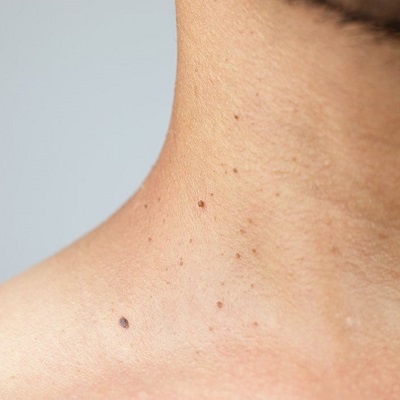
A skin lesion is a visible or palpable change in the skin that differs from the surrounding tissue. Lesions can have different shapes, sizes, colors, textures, and causes. Some may be present for years, while others can develop or change over time.
Common examples can include certain moles, skin tags, benign growths, cysts, warts, and other localized skin changes. However, not every visible mark should automatically be considered suitable for cosmetic removal. The first step is identifying what is actually being treated.
Why Is Assessment Important?
A proper assessment helps determine whether removal is appropriate and what method may be suitable. A lesion that looks simple from the outside may have characteristics that require closer examination.
Changes such as rapid growth, unusual color variation, bleeding, persistent irritation, or significant changes in shape should not simply be treated as a cosmetic concern. A qualified medical professional may recommend further evaluation before removal when there is uncertainty about the nature of the lesion.
This assessment is important because treatment should not remove a lesion before a potentially concerning condition has been appropriately considered.
How Is the Treatment Method Selected?
There is no single removal technique suitable for every lesion. The method can depend on the type, size, depth, location, appearance, and clinical characteristics of the lesion.
Depending on the situation, a professional may consider techniques such as excision, shaving, cautery, cryotherapy, laser-based approaches, or other medically appropriate methods. The exact choice should be based on assessment rather than selecting a procedure simply because it is popular.
The location also matters. A technique suitable for a small lesion on one part of the body may not be appropriate for a lesion near a delicate or highly visible area.
What Should You Expect During Consultation?
A consultation is an opportunity to discuss the lesion and the desired outcome. The provider may examine its appearance and ask how long it has been present, whether it has changed, and whether it has caused symptoms.
You should also mention previous treatments, allergies, medications, skin conditions, or a history of unusual scarring if these are relevant.
If the lesion requires additional investigation, treatment may be postponed until the necessary information is available.
What About Scarring?
Any procedure that affects the skin can potentially leave some degree of temporary or permanent change. The likelihood and appearance of a scar can depend on the removal method, lesion depth, location, healing response, and individual skin characteristics.
A professional can discuss expected healing and scar considerations before treatment. This is particularly important when the lesion is located somewhere highly visible, such as the face.
What Happens After Removal?
Aftercare depends on the procedure performed. Some treatments may involve a small wound that requires protection, while others may cause temporary redness, crusting, swelling, or sensitivity.
Following the provider’s aftercare instructions is important because unnecessary touching, picking, or friction can interfere with normal healing.
Sun protection may also be recommended, particularly when the treated area is exposed.
What Should You Look for in a Treatment Provider?
Choosing an appropriately qualified professional is an important part of the process. Ask about the proposed technique, expected healing, possible complications, and whether the removed tissue may need further examination.
You should also understand whether the quoted treatment includes consultation, follow-up, and any laboratory or pathology assessment that may become necessary.
Conclusion
Skin lesion removal should begin with understanding the lesion rather than immediately choosing a removal method. A proper assessment can help determine whether treatment is appropriate, which technique may be suitable, and what type of recovery to expect. If you are considering treatment, discuss the lesion and your cosmetic or medical concerns with a qualified professional so that the procedure can be planned around your individual needs.