
 Written by
 Dogs naturally enjoy chewing, and the right chew can provide an engaging activity while helping satisfy their instinct to gnaw. For pet parents, safety, ingredients, durability, and proper sizing are important factors when selecting a chew. Rawhide has been a familiar option for many years, but not every product is made in the same way. Understanding what makes a chew appropriate for your dog can help you provide a more suitable chewing experience.
Understanding Safe Rawhide for Dogs
When looking for safe rawhide for dogs, it is important to consider how the hide is sourced, cleaned, processed, and prepared. Quality varies considerably between products, so simply seeing “rawhide” on a package does not provide enough information about its characteristics.
A better option may feature straightforward ingredients and careful processing without unnecessary additives. Natural hide can provide a firm texture that encourages extended chewing. However, dogs should always be supervised while enjoying any hard chew, particularly if they tend to bite off and swallow large pieces.
The size and shape of the chew also matter. A chew should be appropriately sized for the dog’s body size and chewing habits. Small pieces can present a choking risk for larger chewers, while an excessively hard or oversized product may not be appropriate for every dog.
What Makes a Rawhide Chew More Suitable?
The manufacturing process can make a significant difference. Some traditional rawhide products may undergo multiple processing stages or contain additional ingredients. Pet parents interested in simpler treats may prefer products with fewer components and clearly stated ingredients.
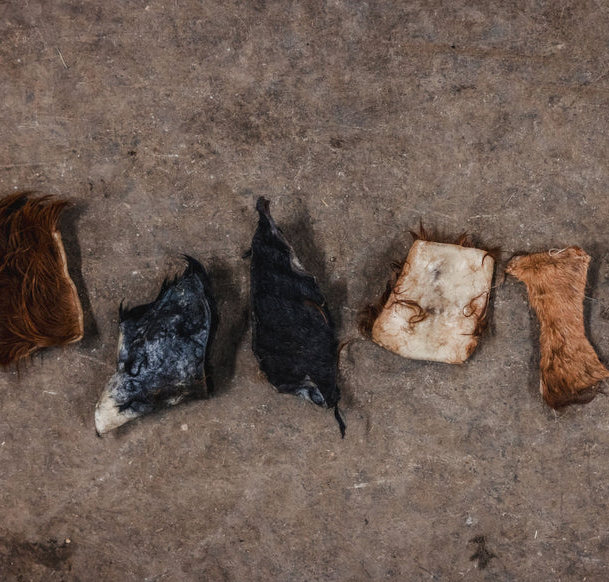
Single-ingredient chews provide a straightforward option because the ingredient list is easy to understand. A natural beef hide chew, for example, can provide a protein-based chewing product without adding artificial flavors or unnecessary fillers.
Processing methods also deserve attention. Hides that are thoroughly cleaned and properly dried can retain their natural structure while becoming durable enough for chewing. Some naturally prepared chews rely on controlled drying rather than extensive chemical processing.
Ugly Chews offers whole-hide beef chews made with a simple ingredient approach, giving dogs a naturally textured option for chewing sessions.
Why Size and Texture Matter
Every dog has different chewing habits. A gentle chewer may handle a thinner chew differently from a powerful chewer that quickly works through firm treats. Matching the chew to your dog’s size and chewing style is therefore important.
Large, powerful chewers generally require more substantial products than small dogs. Puppies may also require different options depending on their age, teeth, and chewing behavior.
Inspect the chew before giving it to your dog. If it becomes small enough to swallow whole, becomes excessively softened, or develops loose pieces, it should be removed. Regular inspection helps reduce potential choking or swallowing hazards.
Supervision Is Part of Responsible Chewing
No chew should be treated as completely risk-free. Dogs can chew differently from one another, and even a durable product can eventually break down.
Supervise your dog during chewing sessions and watch how they handle the product. If your dog attempts to swallow large pieces instead of gradually working through the chew, remove it and consider a larger or more appropriate option.
It is also helpful to provide fresh water during chewing time. Dogs should have access to clean drinking water throughout the day, especially when consuming treats or chews.
Natural Ingredients Can Simplify Treat Selection
Ingredient labels provide useful information about what your dog is consuming. Pet parents looking for straightforward treats may prefer products without artificial preservatives, synthetic compounds, unnecessary flavoring, or multiple fillers.
A single-ingredient beef hide chew can offer a simple alternative for households focused on uncomplicated treat ingredients. Natural texture may also make the chewing experience more engaging for dogs that enjoy working through firm treats.
Still, treats and chews should complement a balanced diet rather than replace regular meals. Portion size and frequency should be appropriate for the individual dog.
Storage and Chew Care
Proper storage can help maintain the condition of natural chews. Keep unused products in a cool, dry location with suitable airflow. Avoid storing untreated natural hides in sealed plastic containers where moisture can become trapped.
Before each chewing session, inspect the product for unusual damage, excessive softening, or pieces that have separated. Discard any chew that no longer appears suitable.
For long-term storage, some natural hides can be frozen, provided the product’s specific care instructions allow it. Always allow frozen products to reach an appropriate condition before giving them to your dog.
Making a Practical Choice for Your Dog
Finding the right chew involves more than looking at the word “rawhide.” Consider the ingredients, processing method, size, thickness, durability, and your dog’s individual chewing behavior.
A natural whole-hide product may suit dogs that enjoy firm, long-lasting chewing, while other dogs may require softer or different types of treats. Your veterinarian can also provide guidance if your dog has dental, digestive, dietary, or other health considerations.
The goal is to provide an engaging chew while maintaining sensible supervision and care. With appropriate sizing, responsible monitoring, and attention to ingredients, pet parents can make chewing time a more manageable part of a dog’s routine.
Conclusion
Finding safe rawhide for dogs starts with understanding ingredients, processing, sizing, and your pet’s chewing habits. Look for straightforward products, inspect them regularly, and always supervise your dog during chewing sessions. For natural whole-hide options made with a simple ingredient approach, Ugly Chews provides a practical option for dogs that enjoy long-lasting chews.
Frequently Asked Questions
1. Is rawhide safe for every dog?
Rawhide is not suitable for every dog. Individual chewing habits, size, age, digestion, and health should be considered before offering any firm chew.
2. How can I identify safe rawhide for dogs?
Look for clearly listed ingredients, appropriate sizing, responsible processing, and durable construction. Always supervise chewing and remove pieces that become small enough to swallow.
3. Can puppies have rawhide chews?
Puppies have developing teeth and different chewing needs. Ask your veterinarian about appropriate chew types, sizes, and textures before introducing rawhide.
4. How long should a dog chew rawhide?
Chewing time varies by product and dog. Supervise every session, inspect the chew regularly, and remove it when damaged or excessively small.
5. Are natural rawhide chews better than highly processed options?
Natural products with simple ingredient lists may provide a straightforward treat option. Processing, quality, sizing, and your dog’s individual chewing behavior remain important considerations.