
 Written by
 The time needed for pigmentation treatment to work can vary depending on the type of pigmentation, its depth, skin type, and the treatment selected. Pigmentation Treatment in Dubai may involve topical care, chemical peels, laser-based procedures, or a combination approach, with each option following a different response pattern. At Dynamic Clinic in Dubai, treatment planning may begin with an assessment of the skin concern and its underlying cause.
When Can You Expect to See a Change?
Pigmentation rarely disappears immediately after one session. Some people notice a gradual improvement in skin tone and dark spots within a few weeks, while others may need several treatment sessions before changes become noticeable.
The response depends heavily on what caused the pigmentation. Sun spots, post-inflammatory hyperpigmentation, melasma, and pigmentation linked to hormonal changes can behave differently. Deeper or longstanding pigmentation may also require a longer treatment plan.
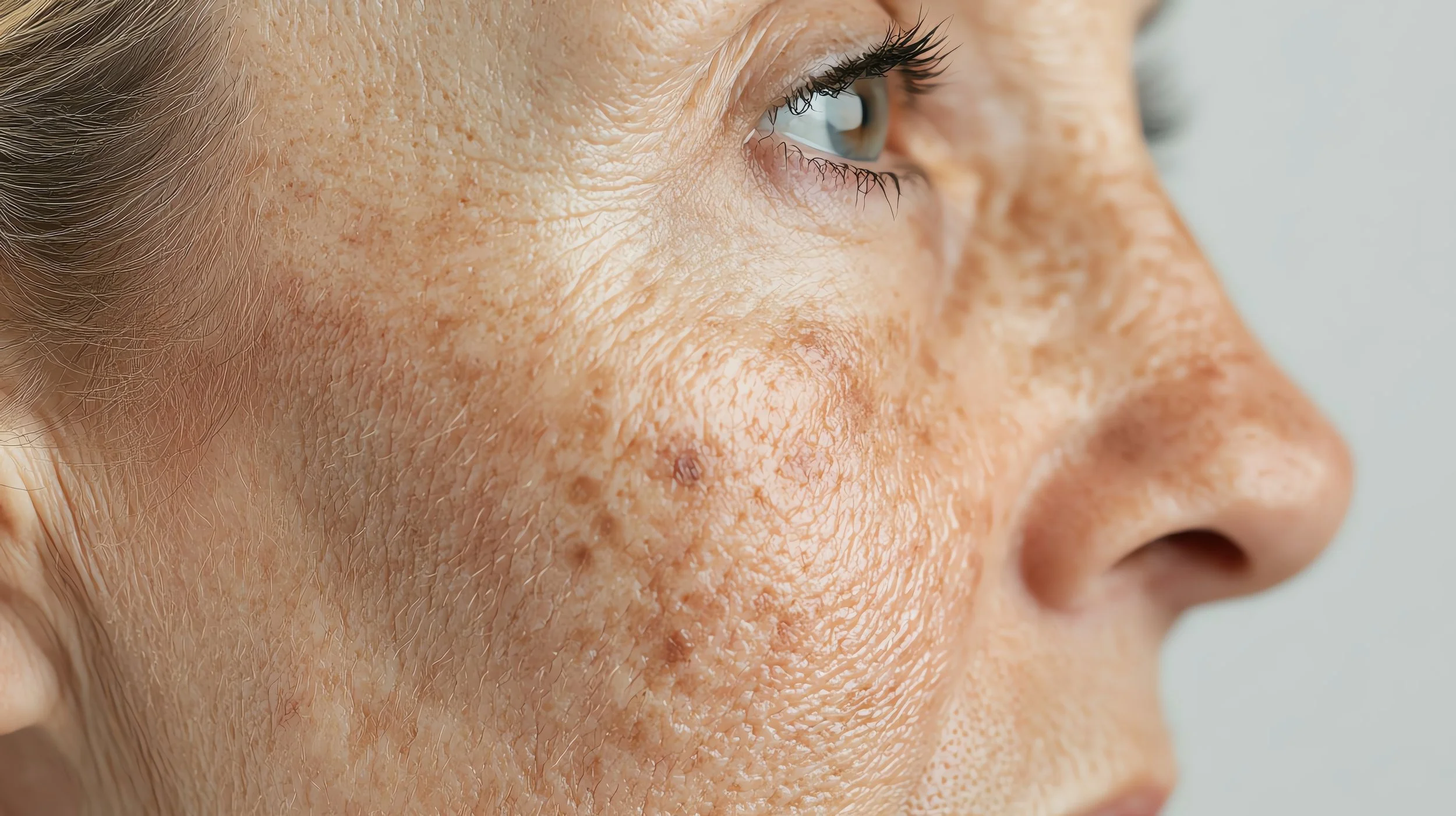
Typical Factors That Affect Treatment Time
Several factors can influence how quickly pigmentation begins to improve:
- Type of pigmentation: Melasma may require longer-term management than some superficial sun spots.
- Depth of pigment: Pigment located deeper within the skin can take more time to respond.
- Skin type: Skin with a greater tendency toward pigmentation may require a more cautious treatment approach.
- Treatment method: Peels, lasers, topical products, and combination treatments work through different mechanisms.
- Sun exposure: Ultraviolet exposure can stimulate additional melanin and interfere with progress.
- Aftercare: Following the recommended skincare routine can support consistent treatment outcomes.
- Hormonal influences: Hormonal changes can contribute to recurring pigmentation in some individuals.
Why Pigmentation May Take Several Sessions
Many pigmentation treatments work progressively rather than removing all visible discoloration at once. Depending on the procedure, treatment may encourage the gradual shedding of pigmented surface cells, reduce excess melanin production, or target pigment within the skin.
A treatment plan may therefore involve multiple sessions separated by appropriate intervals. This allows the skin to recover and gives the practitioner an opportunity to assess how the pigmentation is responding before deciding whether further treatment is appropriate.
Different Pigmentation Concerns Respond Differently
Not every dark patch has the same underlying cause. Understanding the difference is important when estimating the treatment timeline.
Post-inflammatory hyperpigmentation can develop after acne, irritation, burns, or other skin injuries. It may gradually fade as the skin renews itself, although persistent discoloration may need targeted treatment.
Melasma is often associated with hormonal influences and ultraviolet or visible-light exposure. Because it can recur, management usually focuses not only on improving existing pigmentation but also on reducing factors that can trigger further pigment production.
Sun-induced pigmentation may appear as defined brown or darker spots on areas commonly exposed to sunlight. Depending on their characteristics, a healthcare professional may consider procedures designed to target localized pigment.
How Skincare and Sun Protection Influence Progress
Daily sun protection is an important part of pigmentation management, particularly in Dubai’s sunny climate. Frequent ultraviolet exposure can stimulate melanin production and make existing pigmentation more difficult to manage.
A suitable skincare routine may include products recommended according to the person’s skin type and pigmentation pattern. Harsh exfoliation or unnecessary irritation can sometimes worsen discoloration, so treatment should be guided by a qualified professional rather than based on aggressive home routines.
Signs That Treatment May Be Working
Pigmentation improvement can be subtle at first. Rather than expecting dark spots to vanish quickly, useful changes may include:
- Dark areas becoming less intense
- More even overall skin tone
- Reduced contrast between pigmented and unaffected skin
- Gradual improvement in the appearance of post-acne marks
- Fewer newly appearing pigmented areas when triggers are controlled
Photographs taken under similar lighting conditions can sometimes make gradual changes easier to assess than day-to-day observation.
When Should Treatment Be Reassessed?
If pigmentation shows little improvement despite consistent treatment and appropriate aftercare, the original diagnosis or treatment approach may need reassessment. Persistent pigmentation can have different causes, and using the wrong approach may delay improvement or increase irritation.
A professional skin assessment can help determine whether the pigmentation is superficial or deeper and whether factors such as sun exposure, inflammation, skincare products, or hormonal changes may be contributing.
What Can Help Maintain the Improvement?
Pigmentation management does not necessarily end when visible discoloration becomes lighter. A consistent maintenance routine can be important because some pigmentation conditions are prone to recurrence.
Helpful measures may include:
- Applying broad-spectrum sunscreen regularly.
- Limiting unnecessary direct sun exposure.
- Following the recommended post-treatment skincare routine.
- Avoiding picking or irritating areas affected by acne or inflammation.
- Attending follow-up appointments when advised.
- Addressing underlying triggers where appropriate.
Conclusion
The time required for pigmentation treatment to work varies from person to person. Mild, superficial discoloration may respond relatively quickly, while melasma, deeper pigmentation, and long-standing dark spots can require a more gradual approach. Treatment type, skin characteristics, sun exposure, underlying causes, and aftercare all influence the pace of visible improvement. A personalized assessment is therefore more useful than relying on a fixed timeline for every pigmentation concern.