
 Written by
 Facial hair can signific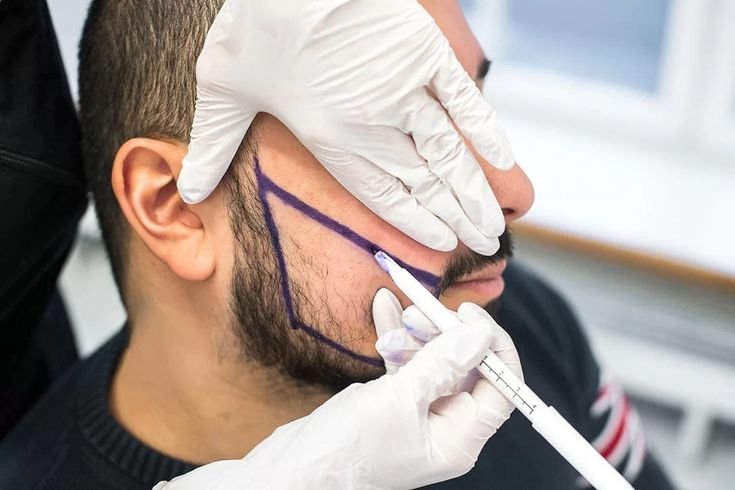 antly influence how the lower face is perceived. A Beard Hair Transplant in Dubai can improve areas of sparse or uneven growth by adding follicles where additional coverage may create better visual balance.
The objective is not simply to make the beard thicker. Thoughtful facial hair restoration considers the relationship between the cheeks, jawline, chin, moustache, and existing beard pattern to create a more cohesive appearance.
How Beard Growth Influences Facial Appearance
A beard creates a visual frame around the lower portion of the face.
Changes in beard density or shape can affect how wide, narrow, long, or defined the face appears. This is why a relatively small area of additional growth can sometimes create a noticeable aesthetic difference.
Beard Density and Facial Balance
Sparse growth may make some facial areas appear visually disconnected.
Adding carefully planned coverage can help create smoother transitions between the moustache, cheeks, chin, and jawline without requiring uniform density across every area.
Improving Jawline Definition
The jawline is one of the most influential areas in masculine facial definition.
When beard growth is weak along the jaw, the transition between the lower face and neck may appear less defined. Strategic restoration can strengthen this visual border.
Why Jawline Placement Matters
The transplanted follicles should follow the natural direction of existing facial hair.
An artificially straight or sharply positioned beard border can look out of place. A more anatomically appropriate design allows the restored area to integrate with surrounding growth.
Creating Better Cheek Definition
Cheek hair varies considerably between individuals.
Some men have dense upper-cheek growth, while others naturally have a lower or more irregular cheek line. Facial hair restoration can be used to address selected gaps or weak transition areas.
The objective is usually controlled enhancement rather than creating an identical cheek pattern across every patient.
Natural Cheek Transitions
A convincing cheek line generally requires variation in density and direction.
Single-hair grafts can be particularly useful in visually exposed border areas because they provide greater control over the appearance of individual emerging hairs.
Enhancing Chin Proportion
The chin is another important component of beard design.
Sparse chin growth can make the beard appear disconnected from the moustache or jawline. Additional follicles may help create continuity between these areas.
The appropriate design depends on the patient’s chin shape and existing facial hair rather than applying a standard template.
Connecting the Moustache and Beard
A strong facial-hair pattern often depends on how different regions connect.
Weak growth between the moustache, cheeks, and chin can make the beard appear fragmented. Restoration can target these transition areas when suitable donor follicles are available.
Facial Hair Continuity
The goal is to create visual continuity without making every region equally dense.
A carefully planned connection can make the beard appear more cohesive when viewed at normal conversational distance.
Facial Proportions Guide Beard Design
A beard should complement the face rather than dominate it.
A longer face, wider jaw, prominent chin, or softer lower-face contour may each call for a different beard shape.
Matching Beard Shape to Facial Structure
Treatment planning may consider:
- Facial length and width
- Chin projection
- Jawline shape
- Existing cheek pattern
- Moustache position
- Natural beard borders
- Preferred grooming style
These factors help determine where additional facial hair may provide the greatest aesthetic benefit.
Facial Hair Restoration Is Not Just About More Hair
Adding follicles without considering placement can produce an uneven or artificial appearance.
The direction, angle, spacing, and calibre of transplanted hairs all contribute to how the beard interacts with the surrounding skin and existing follicles.
The Importance of Hair Direction
Facial hair follows the contours of the face.
Hair direction can change around the cheek, jaw, chin, and moustache. Matching these patterns helps the transplanted hairs lie naturally rather than projecting away from the skin.
Beard Restoration and Grooming Flexibility
A well-planned transplant can give patients more options in how they wear their facial hair.
Someone who prefers short stubble may want enough density to minimize visible gaps. Another patient may prefer a longer beard and require a different distribution of follicles.
The desired grooming length should therefore be discussed before treatment.
Facial Hair and Perceived Age
Beard density and shape can influence how mature or defined the lower face appears.
However, restoration should not be designed around an attempt to create a particular age appearance. Natural proportions and facial harmony generally provide a more sustainable aesthetic goal.
Addressing Uneven Facial Hair
Uneven growth can be especially noticeable when one cheek, jaw section, or connecting area is significantly weaker than the opposite side.
Selective transplantation can sometimes improve this imbalance by strengthening specific regions rather than rebuilding the entire beard.
The degree of correction depends on donor availability and the characteristics of the recipient area.
Dubai Lifestyle Considerations
Dubai’s climate adds practical considerations to facial-hair restoration.
Strong sunlight, outdoor heat, humidity changes, and extensive indoor air conditioning can affect skin comfort during the healing period. Patients should follow their clinician’s instructions regarding sun exposure, cleansing, skincare, and physical activity.
For frequent travelers, treatment timing should also take flights and social commitments into account.
Clinic note: Facial hair restoration works best when beard design is treated as part of the face rather than as an isolated hair-growth problem. The most appropriate plan considers facial proportions, existing growth, donor characteristics, and the patient’s preferred grooming style.
Choosing Beard Hair Transplant in Dubai for Facial Enhancement
The strongest aesthetic result is not necessarily the beard with the greatest number of transplanted follicles. It is the beard that fits the patient’s facial structure, existing growth pattern, and personal appearance.
For individuals considering Beard Hair Transplant in Dubai, Tajmeels Clinic can assess facial proportions, beard distribution, donor suitability, and desired grooming style before developing a personalized treatment plan.
Book a consultation with Tajmeels Clinic to discuss how targeted facial hair restoration may enhance beard balance and overall facial definition.