
 Written by
 The ideal HydraFacial schedule depends on your skin type, concerns, lifestyle, and treatment goals. هايدرافيشال في دبي is commonly performed about once a month for ongoing skin maintenance, although some people may prefer a longer interval. The official treatment guidance also notes that frequency should be personalized according to individual needs rather than following one fixed schedule.
What Is the Typical HydraFacial Frequency?
For general maintenance, a session approximately every four weeks is a common approach. Some people may find that treatment every two to three months is enough when their main goal is occasional hydration, cleansing, or radiance. The right interval can change as your skin and treatment goals change.
Is Monthly HydraFacial Treatment Appropriate?
Monthly treatment may suit people who want to maintain a consistently refreshed appearance. It can also provide regular support for concerns such as mild congestion, dullness, uneven texture, or dehydration without requiring very frequent sessions.
Can HydraFacial Be Done More Frequently?
In selected cases, more frequent sessions may be considered. The official HydraFacial guidance states that some people may undergo treatments every one to two weeks when a more intensive plan is appropriate. This should not be interpreted as a requirement for everyone, because skin sensitivity and treatment goals differ.
Why Does Individual Skin Response Matter?
Even a non-invasive treatment can temporarily affect the skin through exfoliation and extraction. Monitoring how your skin responds can help determine whether sessions should remain monthly, become less frequent, or be temporarily spaced further apart.
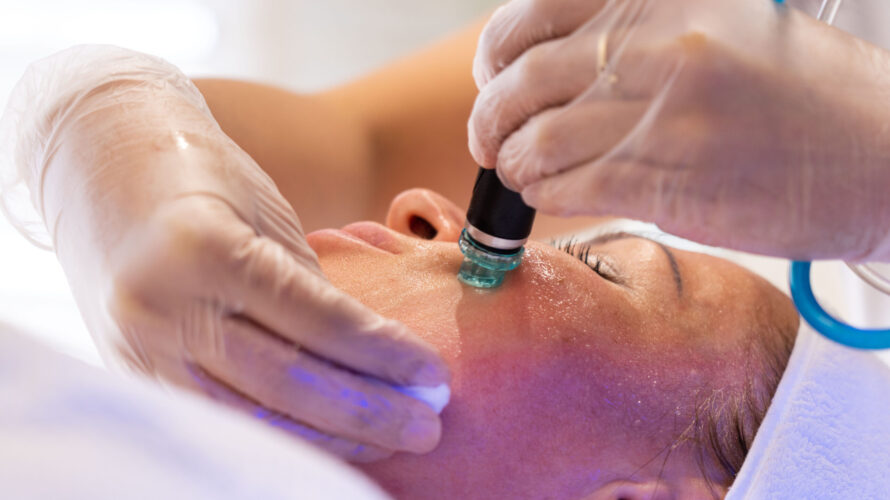
How Often Should You Get HydraFacial for Maintenance?
People seeking routine skin maintenance may choose approximately monthly sessions, while others may only schedule treatment every few months. The purpose of maintenance is to support a healthy-looking complexion rather than repeatedly treating the skin without a specific reason.
What If You Have Oily or Congested Skin?
A more structured series may sometimes be considered for oily or congested skin. In one small 12-week study involving adults with mild-to-moderate acne, participants received six HydraFacial clarifying treatments at two-week intervals. The study reported improvements in acne severity and overall skin appearance, although it was a small, open-label study and does not establish that everyone should follow the same schedule.
What If Your Skin Is Dry or Sensitive?
Dry or sensitive skin may require a more cautious schedule. Treatment frequency should take into account existing irritation, skin-barrier condition, and how the skin reacts after exfoliation and extraction rather than simply increasing the number of appointments.
What Factors Can Affect Treatment Frequency?
Your recommended schedule may depend on:
Skin type and sensitivity
Level of congestion
Oil production
Dryness or dehydration
Acne-related concerns
Desired cosmetic results
Response to previous treatments
Other skincare or aesthetic procedures
Signs You Should Pay Attention To
Your skin’s response between appointments can help determine whether your current treatment schedule is appropriate. Watch for changes such as:
Persistent dryness or tightness
Increased sensitivity
Redness that lasts longer than expected
Repeated congestion
Rough or uneven texture
Results that disappear very quickly
Irritation after repeated treatments
When Should You Space Treatments Further Apart?
If your skin becomes unusually dry, irritated, or sensitive, another session may not be appropriate immediately. Allowing the skin to settle and reassessing the treatment approach can be more useful than maintaining a rigid schedule.
Can You Have HydraFacial Before a Special Event?
HydraFacial may be chosen before an important occasion because it is a non-invasive treatment that can leave the skin looking refreshed. However, first-time treatment should ideally not be scheduled immediately before a major event because individual reactions can vary.
How Should You Plan the Timing?
If you have had HydraFacial before and know how your skin responds, your usual schedule may be easier to plan around an event. For a first session, allowing several days for the skin to settle provides a more cautious approach.
Checkpoint
There is no universal HydraFacial schedule that works for everyone. Monthly sessions are commonly used for maintenance, while some people may prefer treatment every two to three months. More frequent sessions can be considered for selected treatment plans, but the interval should be based on skin condition, goals, and professional assessment.
Does More Frequent Treatment Mean Better Results?
Not necessarily. More sessions do not automatically produce better results. The aim should be to provide appropriate cleansing, exfoliation, extraction, and hydration while allowing the skin to remain comfortable between treatments.
Why Is Spacing Important?
Appropriate spacing allows professionals to evaluate how the skin responded to the previous session. It also reduces the temptation to repeatedly exfoliate skin that may already be sensitive or irritated.
Why Consider Dynamic Clinic?
A personalized treatment plan can be more useful than following a fixed schedule. Dynamic Clinic can consider factors such as skin type, hydration, congestion, sensitivity, and desired results when determining whether HydraFacial is suitable and how frequently it should be performed.
Why Is Personalization Important?
Two people can have very different skin responses to the same treatment. Someone with oily, congested skin may have different needs from someone with dry or sensitive skin, so treatment frequency should be adjusted accordingly.
Frequently Asked Questions
Can I Get a HydraFacial Every Month?
Yes, monthly treatment is a commonly used maintenance schedule. However, not everyone needs a session every month, and some people may achieve their desired maintenance with longer intervals.
Can HydraFacial Be Done Every Two Weeks?
It can be considered in selected treatment plans. A small clinical study used two-week intervals for six clarifying treatments over 12 weeks in adults with mild-to-moderate acne. This was a specific study protocol rather than a universal recommendation.
Is Every Three Months Enough for HydraFacial?
For someone seeking occasional skin maintenance, an interval of two to three months may be reasonable. People with ongoing congestion or other concerns may require a different schedule.
Should Oily Skin Have HydraFacial More Often?
Not automatically. Oily or congested skin may sometimes benefit from a structured treatment course, but frequent sessions should be considered according to skin condition and tolerance rather than oiliness alone.
How Do I Know When It Is Time for Another HydraFacial?
A return of concerns such as dullness, congestion, dryness, or rough texture may indicate that another session could be considered. A professional assessment can help determine whether another treatment is appropriate or whether your daily skincare routine should be adjusted first.
Conclusion
How often you should get a HydraFacial depends on your individual skin and goals. Monthly treatment is a common maintenance approach, while some people may prefer sessions every two to three months. Selected concerns may call for a shorter treatment course, but there is no benefit in assuming that more frequent sessions are always better. A personalized schedule can help balance visible results with your skin’s ability to tolerate ongoing treatment.