
 Written by
 Hair loss can affect your confidence and appearance, especially when thinning hair or a receding hairline becomes more noticeable. A hair transplant can help restore hair in these areas, but many people hesitate to undergo the procedure because they do not want to shave their heads. The good news is that certain hair transplant techniques allow patients to restore hair without completely shaving their heads. These approaches can be particularly appealing to professionals, women, and individuals who prefer to keep their existing hairstyle during treatment. If you are considering Hair Transplant in Islamabad, understanding unshaven hair transplant options can help you choose a procedure that suits your hair loss pattern, lifestyle, and personal preferences. The most appropriate technique depends on your donor hair, the number of grafts required, and your surgeon’s assessment.
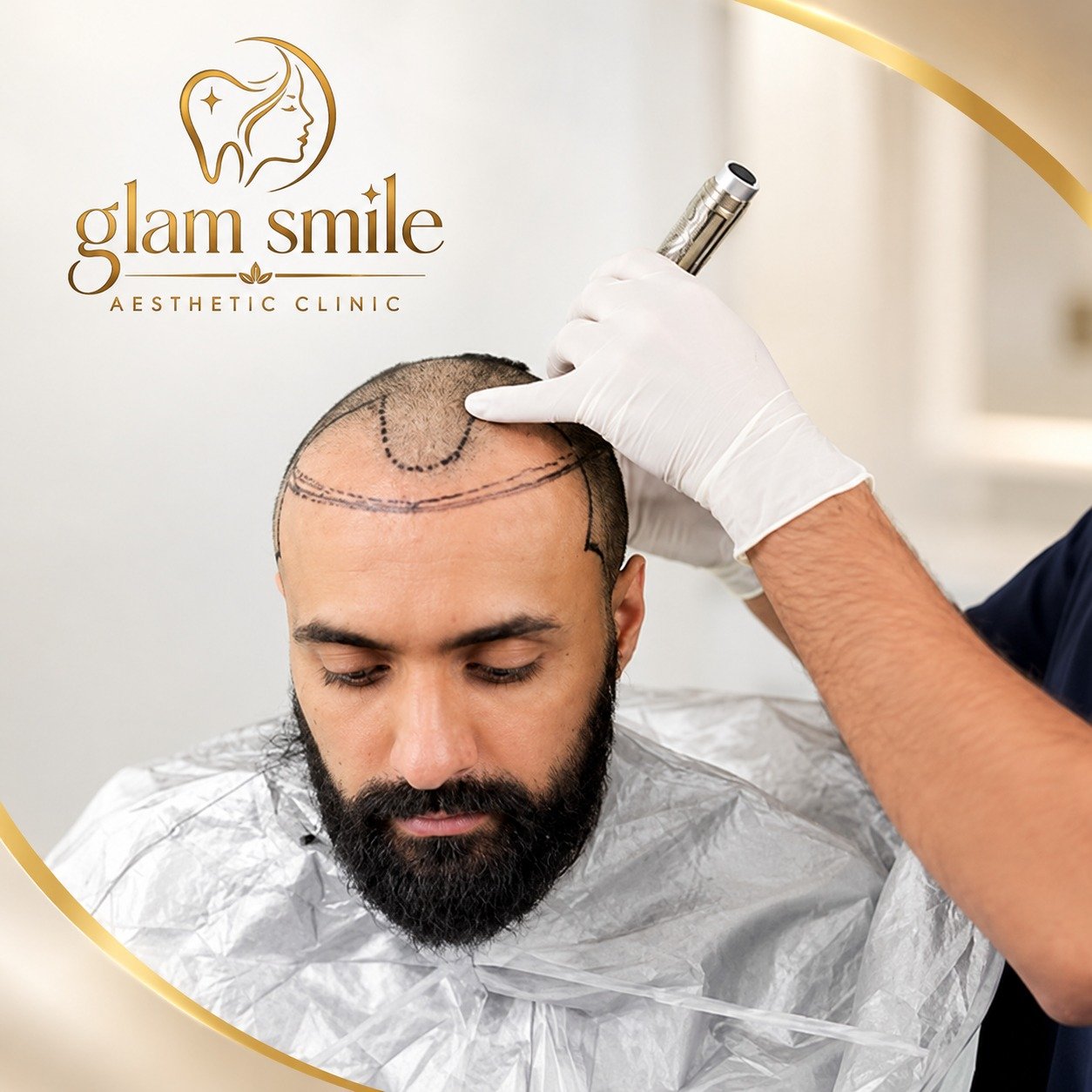
Can You Get a Hair Transplant Without Shaving Your Head?
Yes, you can get a hair transplant without completely shaving your head. This approach is commonly known as an unshaven hair transplant or no-shave hair transplant. Traditional hair transplant procedures often involve shaving the donor area or a larger portion of the scalp to make follicle extraction and implantation easier. However, specialised techniques can allow selected patients to keep most or all of their existing hair. Two common options include unshaven Follicular Unit Extraction (U-FUE) and Direct Hair Implantation (DHI) performed with an appropriate unshaven technique. It is important to understand that unshaven does not always mean that no hair is trimmed. Depending on the procedure, the surgeon may need to trim small sections of the donor area or recipient area to access the follicles safely.
What Is an Unshaven Hair Transplant?
An unshaven hair transplant is a hair restoration procedure designed to minimise or avoid shaving the scalp. It uses specialised planning and extraction methods to transplant healthy hair follicles into areas affected by thinning or baldness. The procedure follows the same basic principle as other hair transplants: follicles are taken from a suitable donor area, usually at the back or sides of the head, and implanted into the recipient area.
Types of Unshaven Hair Transplant Techniques
FUEUnshaven Follicular Unit Extraction involves removing individual hair follicles while preserving most of the surrounding hair. Depending on the technique, the surgeon may trim small sections of the donor area or extract follicles between existing hairs. This option may suit patients who want to avoid a fully shaved appearance.
Partially Shaven FUE
In partially shaven FUE, only a small, concealed section of the donor area is trimmed. The surrounding longer hair can help cover the treated area during early recovery. This approach can provide a practical balance between extraction efficiency and maintaining an existing hairstyle.Direct Hair Implantation is an implantation approach in which extracted follicles are placed using a specialised implanter device. It may be performed without extensive shaving in selected cases. However, DHI does not automatically mean the procedure is completely unshaven. The extraction method, recipient-area preparation, and surgeon’s technique determine how much trimming is necessary.
What Are the Benefits of Getting a Hair Transplant Without Shaving?
Unshaven hair transplantation offers several potential advantages for suitable patients.
Maintain Your Existing Hairstyle
One of the biggest benefits is the ability to preserve much of your current hairstyle. This may be particularly important if you prefer not to reveal a significant change in appearance immediately after surgery.
Greater Privacy During Recovery
Some patients want to keep their treatment private. Preserving surrounding hair may help conceal certain signs of the procedure, although redness, small scabs, and swelling can still be visible.
Suitable for Busy Professionals
People with demanding work schedules or frequent social commitments may prefer an approach that avoids a completely shaved head. However, you should still plan for postoperative care and allow sufficient time for initial healing.
A More Comfortable Transition
Keeping existing hair can make the transition through the early recovery period feel less noticeable. This can be especially valuable for patients who are concerned about changes to their appearance.
A Personalised Treatment Approach
Unshaven techniques can be tailored to selected patients based on their hair density, donor area, hairstyle, and restoration goals.
Although these benefits are appealing, unshaven procedures may take longer and are not necessarily suitable for every patien
Is an Unshaven Hair Transplant Suitable for Women?
Women experiencing certain patterns of hair thinning may benefit from unshaven hair transplantation because they often prefer to retain their existing hair length. However, hair loss in women can have several causes, including hormonal changes, nutritional deficiencies, and medical conditions. A specialist should identify the likely cause before recommending surgery.
Can Men Get a Hair Transplant Without Shaving?
Yes. Men with a receding hairline, temple thinning, or selected areas of hair loss may be candidates for unshaven techniques. Patients requiring extensive restoration may need partial shaving or a conventional approach to allow more efficient extraction and implantation. The best option depends on the donor supply and treatment goals.
How Does an Unshaven Hair Transplant Procedure Work?
Although the scalp preparation differs, the main stages are similar to those of other hair transplant procedures.
Consultation and Scalp Assessment
The specialist examines the scalp, reviews your medical history, evaluates the donor area, and discusses your preferred hairstyle. The number of grafts needed and the amount of shaving you are willing to accept are also considered.
Treatment Planning
The surgeon determines the appropriate extraction and implantation approach. The hairline, graft distribution, donor density, and existing hair are assessed to develop a personalised plan.
Local Anaesthesia
Local anaesthesia is generally administered to minimise discomfort during the procedure.
Hair Follicle Extraction
Individual follicular units are extracted from the donor area using an appropriate technique. In an unshaven procedure, the team works carefully around existing hair or trims only selected sections when necessary.
Graft Implantation
The extracted follicles are implanted into the recipient area according to the planned direction, angle, and distribution of growth.
Postoperative Instructions
After treatment, the clinical team explains how to protect the scalp, wash the hair, manage discomfort, and attend follow-up appointments. The duration of the procedure varies according to the number of grafts and the complexity of the treatment.
What Is the Recovery Time After an Unshaven Hair Transplant?
Recovery depends on the number of grafts transplanted, the extraction technique, and your individual healing process. During the first few days, you may experience mild redness, swelling, tenderness, itching, or small scabs around the treated areas. Many patients can return to desk-based work within several days, but visible signs of treatment may take longer to settle. Keeping your hair unshaven does not eliminate these recovery effects. Transplanted hairs commonly shed during the first few weeks. This is usually a normal stage of the hair growth cycle, and new growth often becomes noticeable after three to four months. More visible improvement generally develops over six to twelve months, with some patients needing longer to assess their final results.
How Should You Care for Your Hair After an Unshaven Transplant?
Proper aftercare helps protect the transplanted follicles and supports healing.
Follow Your Washing Instructions
Wash your scalp only as directed by your clinical team. Use the recommended technique and avoid rubbing, scratching, or picking at scabs.
Protect the Transplanted Area
Avoid unnecessary pressure, friction, or contact with the treated scalp. Follow your surgeon’s advice regarding hats, helmets, and sleeping positions.
Avoid Strenuous Activities Initially
Heavy exercise, activities that cause excessive sweating, and contact sports may need to be restricted during early recovery. Resume them only when your clinician advises that it is safe.
Attend Follow-Up Appointments
Follow-up visits allow your clinical team to assess healing and address any concerns. Contact your healthcare provider if you develop increasing pain, spreading redness, fever, or unusual discharge.
Conclusion
A hair transplant without shaving your head is possible and can be an appealing option for people who want to restore their hair while maintaining their existing hairstyle. Unshaven FUE, partially shaven FUE, and selected DHI approaches can help suitable patients achieve this goal. However, the best technique depends on your hair loss pattern, donor hair availability, required graft count, budget, and recovery expectations. Understanding the potential benefits and risks is essential before making a decision. If you are considering Hair Transplant in Islamabad, consult Glam Aesthetic Clinic to discuss your hair restoration goals and find out whether an unshaven procedure may be appropriate for you. A personalised assessment can help you understand your options and plan your treatment with realistic expectations.
Read More: