
 Written by
It has been investigated for potential applications involving wound care, inflammation, and certain musculoskeletal conditions. Ozone Therapy in Dubai is a complementary treatment that uses medical ozone, a reactive form of oxygen made up of three oxygen atoms. Ozone therapy is based on the idea that carefully controlled exposure may trigger biological responses in the body. However, the way it works depends on the method of administration, and scientific evidence supporting its effectiveness varies by condition.
Understanding the Science Behind Ozone Therapy
Ozone, also known as O₃, is different from the oxygen gas (O₂) that people breathe. It is highly reactive, meaning it quickly interacts with other substances, including molecules found in blood and body tissues. In medical settings, ozone is generated using specialised equipment and must be handled under controlled conditions. Its proposed biological effects come mainly from the reactions that occur when ozone interacts with biological fluids. Researchers have studied these reactions to understand whether they may influence inflammation, cellular signalling, and the body’s antioxidant responses. However, biological activity alone does not prove that a treatment produces meaningful health benefits in people.
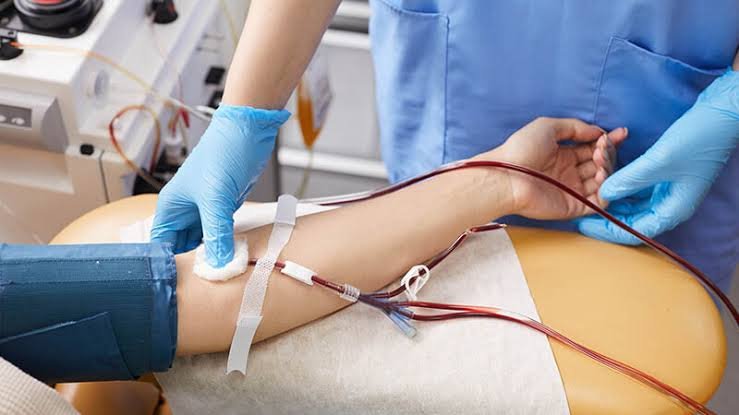
How Ozone Interacts With the Body
Ozone does not remain unchanged for long after contacting biological fluids. Instead, it reacts with substances such as lipids, proteins, and antioxidants, producing secondary molecules that may influence cellular activity.
These reactions are central to the proposed mechanisms of ozone therapy.
Oxidative Signalling
Ozone can generate reactive oxygen species and other oxidation products. In laboratory and preclinical research, some of these molecules have been associated with signalling pathways involved in the body’s response to oxidative stress.
Researchers are investigating whether carefully controlled oxidative signalling can stimulate protective responses in certain circumstances. However, excessive oxidation can damage cells and tissues, so the effect depends on the exposure and biological context.
Antioxidant Response
Some experimental studies suggest that controlled oxidative signals may activate pathways involved in the body’s natural antioxidant defences.
These pathways help cells respond to oxidative stress. Although this mechanism is scientifically plausible, it remains uncertain how consistently ozone therapy produces beneficial effects in clinical practice.
It should not be assumed that ozone therapy automatically increases antioxidant protection or prevents diseases.
Inflammatory Signalling
Ozone-related reactions have also been investigated for their possible effects on inflammatory pathways. Some laboratory studies report changes in signalling molecules involved in inflammation.
However, these effects are not consistent across all conditions or treatment methods. Ozone therapy should not be presented as a proven treatment for chronic inflammation or inflammatory diseases.
How the Method of Administration Affects Treatment
Ozone therapy is not one standardised procedure. Different approaches expose the body to ozone or ozone-related products in different ways. The method used affects both the proposed mechanism and the potential risks.
Local or Topical Applications
In selected settings, ozone-related preparations or controlled local applications have been studied for wound care and certain skin concerns.
The proposed effects include antimicrobial activity and changes in the local wound environment. Nevertheless, the evidence varies by product, condition, and treatment protocol. These approaches should not replace established wound care or treatment for an infection.
Oxygen–Ozone Injections
Some practitioners use oxygen–ozone mixtures in selected musculoskeletal procedures. Researchers have investigated whether these approaches may influence local inflammatory signalling and pain.
Results vary according to the condition being treated, the method used, and the quality of the available studies. An injection-based procedure also carries risks and should only be considered after an appropriate medical assessment.
Blood-Based Procedures
Some forms of ozone therapy involve exposing a sample of blood to a controlled oxygen–ozone mixture before returning the treated blood to the body. This is sometimes described as autohemotherapy.
The proposed mechanism involves reactions between ozone and components of the blood, producing secondary molecules that may affect cellular signalling. However, the clinical benefits and long-term safety of these procedures have not been established sufficiently for many claimed uses.
Blood-based procedures require appropriate clinical facilities, sterile technique, and trained medical personnel. They should never be attempted at home.
Can Ozone Therapy Improve Oxygen Delivery?
Ozone therapy is sometimes promoted as a way to increase oxygen throughout the body. This claim needs careful interpretation.
Ozone is not the same as oxygen, and administering ozone does not automatically increase the amount of oxygen reaching organs and tissues. Some experimental studies have investigated changes in blood chemistry and red blood cell function, but evidence that these changes consistently improve oxygen delivery or produce meaningful clinical benefits remains limited.
People with conditions affecting oxygen levels or circulation need proper medical assessment rather than relying on ozone therapy as a substitute for established care.
Can Ozone Therapy Help With Inflammation or Pain?
Researchers have investigated ozone therapy for certain musculoskeletal conditions, including some types of back and joint pain. Proposed mechanisms include changes in local inflammatory signalling and the body’s response to oxidative stress.
Some clinical studies have reported improvements in pain or function in particular settings. However, study quality, treatment methods, and results vary, making it difficult to draw firm conclusions about effectiveness.
Ozone therapy should not be considered a universal treatment for pain or inflammation. A qualified healthcare professional can explain established treatment options and whether any complementary procedure is appropriate for a particular condition.
What Does Current Research Say?
Scientific interest in ozone therapy continues, but its clinical evidence remains mixed. A recent review of medical ozone research highlighted a gap between biological mechanisms observed in experimental studies and reliable benefits demonstrated in clinical trials.
Some areas, including selected wound-care and musculoskeletal applications, have been investigated more than others. Even in these areas, findings are not consistent enough to support broad claims that ozone therapy treats multiple unrelated diseases.
The evidence also differs according to the route of administration, treatment protocol, patient group, and condition being studied. Findings from one application should not automatically be applied to another.
For this reason, ozone therapy is best approached cautiously, and it should not replace treatments with established evidence of safety and effectiveness.
Safety Considerations and Potential Risks
Ozone is a reactive substance, and its safety depends heavily on how it is handled and administered. Potential complications vary by method and may include local discomfort, irritation, infection, or more serious procedure-related complications.
Blood-based or injection procedures can carry additional risks if performed incorrectly, including complications involving blood vessels. The long-term safety of many ozone therapy protocols remains uncertain.
Ozone gas must never be inhaled. Breathing it can irritate and injure the lungs, even at relatively low concentrations. Medical ozone should only be handled by appropriately trained professionals using suitable equipment and procedures designed to prevent inhalation.
Before considering treatment, discuss your medical history, current medications, existing conditions, and alternatives with a qualified healthcare professional. Seek urgent medical attention if you develop breathing difficulty, severe or worsening pain, or other concerning symptoms after a procedure.
Who Should Consider Ozone Therapy?
Whether ozone therapy is appropriate depends on the condition being treated, the proposed method, and the individual’s overall health. A medical assessment should establish the diagnosis first and determine whether the available evidence supports considering the procedure.
People should be particularly cautious of claims that ozone therapy can cure serious diseases, detoxify the body, boost immunity in every circumstance, or replace prescribed medication. Such broad claims are not supported by strong clinical evidence.
If ozone therapy is being considered as a complementary option, ask the healthcare professional about the evidence for the specific condition, possible risks, alternatives, and how treatment outcomes would be assessed.
Conclusion
Ozone therapy works through the chemical reactions that occur when reactive ozone interacts with biological fluids and tissues. These reactions can produce secondary molecules that researchers are studying for their possible effects on cellular signalling, antioxidant responses, inflammation, and other biological processes.
However, the mechanisms are not the same as proof of clinical effectiveness. Evidence varies by condition and method of administration, and many proposed benefits remain uncertain. Ozone therapy should not replace established medical care, and inhaling ozone gas is dangerous.
A qualified healthcare professional can help explain whether a particular application is supported by evidence, what risks it involves, and which alternatives may be more appropriate.
Frequently Asked Questions
What is the main mechanism of ozone therapy?
Ozone reacts rapidly with biological molecules, producing secondary substances that may influence cellular signalling and oxidative stress responses. The clinical importance of these effects remains uncertain for many uses.
Does ozone therapy increase oxygen levels in the body?
It should not be assumed to increase oxygen levels or improve oxygen delivery. Claims about these effects require evidence for the specific treatment and condition.
Can ozone therapy reduce inflammation?
Some experimental and clinical studies have investigated possible effects on inflammatory pathways, but results vary. It is not a proven treatment for every inflammatory condition.
Is ozone therapy effective for pain?
Some studies have reported improvements for selected musculoskeletal conditions, but the evidence is mixed. Suitability depends on the diagnosis and treatment method.
Is ozone therapy safe?
Safety depends on the method, equipment, and clinical circumstances. Risks can include irritation, infection, and procedure-related complications, while long-term safety evidence remains limited.
Can ozone gas be inhaled during treatment?
No. Inhaling ozone can injure the respiratory tract and lungs. Medical ozone must be handled using procedures that prevent inhalation.
Can ozone therapy replace prescribed medication?
No. It should not replace prescribed treatment or delay appropriate medical care. Discuss any complementary procedure with your healthcare professional.
How do I know whether ozone therapy is suitable for me?
A qualified healthcare professional should assess your condition, explain the evidence and risks of the specific method, and discuss established alternatives before you make a decision.