
 Written by
Laser hair removal is a popular option for reducing unwanted hair, but some people experience temporary skin reactions after treatment. Understanding the common side effects of laser hair removal and how to manage them can help you care for your skin and recognise when professional advice is needed. For those considering Laser Hair Removal in Dubai, including individuals exploring aesthetic treatments at Dynamic Clinic in Dubai, knowing the benefits, risks, and aftercare steps is essential for making an informed decision.
Why Does Laser Hair Removal Cause Skin Reactions?
Laser hair removal uses concentrated light energy to target melanin, the pigment found in hair follicles. The absorbed energy produces heat that helps damage the follicles and reduce future hair growth. Because the surrounding skin may also absorb some energy, temporary redness, warmth, and sensitivity can occur after a session.
The likelihood of side effects depends on several factors, including skin tone, hair colour, the treatment area, the laser settings, and the skill of the practitioner. Sun exposure, certain medications, and existing skin conditions may also affect how the skin responds.
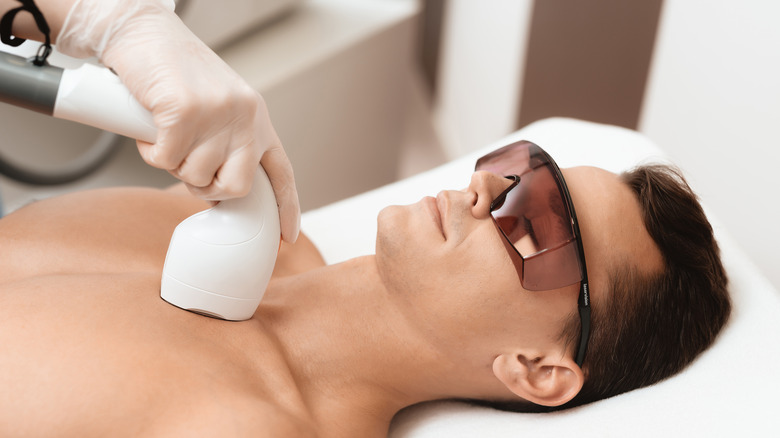
6 Common Side Effects of Laser Hair Removal and How to Manage Them
1. Redness and Mild Swelling
Redness and slight swelling around the hair follicles are among the most common reactions. These effects often resemble mild sunburn and usually improve within a few hours to a couple of days.
How to manage it:
Apply a clean, cool compress for short periods.
Use a gentle, fragrance-free moisturiser if your skin tolerates it.
Avoid hot showers, saunas, and strenuous exercise until the irritation settles.
Do not rub or scrub the treated area.
2. Skin Sensitivity and Tenderness
Treated skin may feel warm, tender, or slightly uncomfortable after a session. This can happen because the laser delivers heat to the hair follicles and surrounding tissue.
How to manage it:
Keep the area cool and avoid direct heat.
Wear loose clothing after body treatments to reduce friction.
Use mild skincare products without fragrances or harsh active ingredients.
Avoid exfoliating acids and retinoids until the skin has recovered, following your practitioner’s advice.
3. Temporary Itching
Some people notice itching as the skin recovers. Dryness, irritation, or inflammation around the follicles may contribute to this reaction.
How to manage it:
Apply a cool compress when needed.
Use a gentle moisturiser to support the skin barrier.
Avoid scratching, waxing, or plucking the treated area.
Seek medical advice if itching becomes severe or is accompanied by a spreading rash.
4. Changes in Skin Colour
Laser treatment can sometimes cause hyperpigmentation, which makes an area darker, or hypopigmentation, which makes it lighter. These changes may be temporary, although some cases can last longer.
The risk can be higher when the skin is tanned, the laser settings are unsuitable, or the treatment is not properly matched to the individual’s skin tone.
How to manage it:
Protect exposed skin with broad-spectrum SPF 30 or higher sunscreen.
Avoid tanning beds and intentional tanning before and after treatment.
Follow the recommended treatment schedule and aftercare instructions.
Consult a qualified professional if unusual colour changes develop or persist.
5. Small Bumps Around Hair Follicles
Small, raised bumps may appear around treated follicles as part of the skin’s inflammatory response. Mild follicular irritation is generally short-lived, but persistent bumps can sometimes indicate another skin problem.
How to manage it:
Keep the area clean and avoid unnecessary touching.
Choose loose, breathable clothing for treated body areas.
Avoid heavy, pore-clogging products if they worsen irritation.
Do not squeeze bumps or apply acne treatments without suitable advice.
6. Blisters, Burns, and Crusting
Although less common, burns, blisters, and crusting can occur, particularly when excessive energy is used or the skin has not been assessed properly. These reactions require more attention than mild redness or swelling.
How to manage it:
Stop using exfoliants and other potentially irritating skincare products.
Do not pop blisters or peel away crusts.
Avoid applying unprescribed creams or home remedies to damaged skin.
Contact a healthcare professional promptly for assessment.
Severe pain, spreading redness, pus, fever, or signs of infection warrant urgent medical attention.
How to Reduce Side Effects Before Your Session
Good preparation can help lower the risk of unwanted reactions and support skin recovery. Before undergoing laser hair removal, consider these precautions:
Avoid sun exposure: Protect the treatment area from tanning and sunburn before your appointment.
Follow shaving instructions: You may be asked to shave the area shortly before treatment, while avoiding waxing and plucking.
Share your medical history: Tell your practitioner about medications, recent tanning, previous skin reactions, and any relevant skin conditions.
Choose an appropriate provider: Seek a qualified practitioner who can select suitable laser settings for your skin tone and hair type.
Discuss patch testing: Ask whether a test spot is appropriate, particularly if you have sensitive skin or a history of pigmentation changes.
Aftercare Tips for Healthier Skin
The first few days after treatment are important for reducing irritation. Keep your skincare routine simple and avoid activities that may increase heat or friction while the skin remains sensitive.
Use a gentle cleanser, apply a suitable moisturiser, and protect exposed areas from sunlight. Avoid hot baths, saunas, intense workouts, and abrasive scrubs until the initial irritation has resolved. Follow the specific aftercare instructions provided by your practitioner, as recommendations may vary according to the laser used and the treatment area.
When Should You Seek Professional Advice?
Mild redness, swelling, and tenderness usually improve without special treatment. However, persistent discomfort, worsening inflammation, significant colour changes, or any signs of burns should be assessed by a healthcare professional. Seek prompt care for severe pain, extensive blistering, or possible infection.
If you experience an unexpected reaction, postpone further laser sessions until the skin has been assessed and recovered. Your practitioner may need to review the device settings, treatment technique, or timing of future appointments.
Conclusion
Understanding the common side effects of laser hair removal and how to manage them helps you prepare for treatment and respond appropriately to skin changes. While mild redness, swelling, itching, and sensitivity are generally temporary, burns and lasting pigmentation changes require professional attention. Careful preparation, suitable laser settings, sun protection, and consistent aftercare can help reduce avoidable risks and support a safer treatment experience.