
 Written by
Every cell in your body quietly relies on a molecule most people have never heard of until they see it advertised. It works in the background, neutralizing harmful compounds, supporting the liver, and helping the immune system do its job. That molecule is glutathione, often called the body’s master antioxidant. In recent years, interest in Glutathione in Islamabad has grown steadily as more people look for ways to support skin health, energy, and overall wellness. Knowing what it does, how it is delivered, and what the evidence honestly says helps you approach treatment with realistic expectations.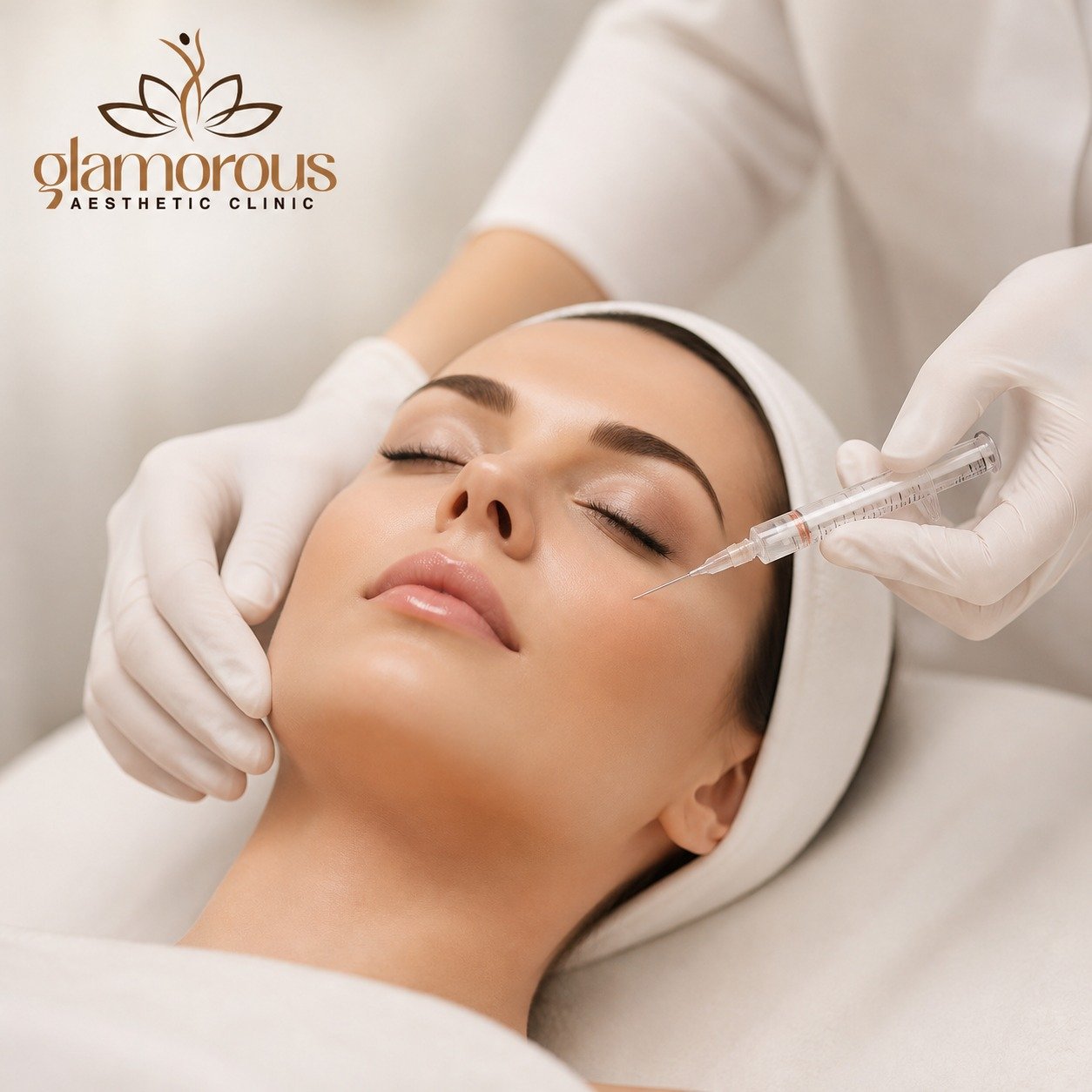
What Is Glutathione and Why Does the Body Need It?
Glutathione is a small molecule made naturally by the body from three amino acids: cysteine, glycine, and glutamic acid. It is found in nearly every cell, with especially high concentrations in the liver, where it helps process toxins and medications. Its main role is protecting cells from oxidative stress, which occurs when unstable molecules called free radicals damage tissues.The body produces its own supply, but levels can decline with age, poor nutrition, chronic stress, pollution, smoking, alcohol use, and certain illnesses. Lower levels are linked with greater vulnerability to cellular damage, which is why supplementation has become a popular topic in wellness and aesthetic medicine.
Why People Consider Glutathione Treatment?
People explore glutathione for different reasons. Some want general antioxidant support and better energy. Others hope to improve skin clarity, reduce dullness, or address uneven pigmentation. Some are interested in supporting liver function or recovering from a period of heavy stress, illness, or poor lifestyle habits.Skin brightening is the most widely advertised use, particularly in South Asia. It is important to understand that glutathione may help even skin tone and reduce dark spots in some people, but it is not a guaranteed route to dramatically lighter skin, and responsible clinics say so plainly.
Available Treatment Options
Glutathione can be taken in several forms, and each has strengths and drawbacks.
Oral Supplements
Capsules, tablets, and powders are the easiest and most affordable option. However, standard oral glutathione is partly broken down in the digestive system, so absorption can be limited. Liposomal and reduced forms are designed to improve uptake and are often considered more effective than plain tablets.
Intravenous Therapy
IV glutathione delivers the compound directly into the bloodstream, bypassing digestion. It is typically given in a clinic setting under supervision, often in a series of sessions. Many patients choose this route for faster and more noticeable effects, though it requires proper medical oversight.
Intramuscular Injections
Injections into the muscle offer another direct route and can be quicker than IV drips. They are sometimes combined with vitamin C, which supports glutathione’s activity in the body.
Topical and Other Forms
Creams, serums, and sublingual products exist, though evidence for their effectiveness is weaker. They may suit people who want a gentle supportive option rather than a systemic treatment.
Potential Benefits
Research suggests glutathione may support antioxidant defenses, assist liver detoxification pathways, and contribute to immune function. Some studies indicate that it may reduce skin pigmentation and improve skin appearance over time, particularly with consistent use.Many patients report feeling brighter skin, better energy, or improved wellbeing. It is worth noting that individual responses vary considerably, and the strength of scientific evidence differs from one benefit to another. Honest practitioners distinguish between well-supported effects and hopeful marketing claims.
Who May Be a Suitable Candidate?
Generally healthy adults seeking antioxidant support or skin tone improvement may be considered suitable, following a medical consultation. People with low dietary intake of nutrients, high oxidative stress from lifestyle factors, or specific concerns such as uneven pigmentation may find it relevant.Treatment is usually not advised for pregnant or breastfeeding women, people with known allergies to the product, and those with certain conditions such as asthma, since inhaled forms have been linked with breathing problems. Anyone with kidney or liver disease, or taking regular medication, should speak with a doctor first.
Limitations and Realistic Expectations
Glutathione is not a miracle treatment. Results are gradual, often requiring several weeks or months of consistent use, and the effect may fade if treatment stops. Skin tone is largely determined by genetics, so changes tend to be modest rather than dramatic.Sun exposure also plays a major role. Without daily sunscreen, any brightening effect can be undone by ultraviolet light. Expecting rapid, permanent lightening is unrealistic and can lead to disappointment or unsafe experimentation with unregulated products.
Possible Risks and Side Effects
Most people tolerate glutathione well, but side effects can occur. Oral use may cause bloating, cramps, or loose stools. Injections and IV therapy can cause pain at the site, allergic reactions, or, rarely, more serious complications such as rashes or liver and kidney concerns, especially with high doses or unsupervised use.Because IV and injectable forms bypass the body’s natural safeguards, quality and sterility are critical. Counterfeit or poorly stored products carry real dangers. Long-term safety data for high-dose injectable use, particularly for skin lightening, remains limited, so caution is wise.
Alternatives and Supporting Strategies
You can also support natural glutathione levels through lifestyle. Foods rich in sulfur compounds, such as garlic, onions, broccoli, cabbage, and cauliflower, help the body produce it. Protein sources provide the necessary amino acids, and nutrients such as vitamin C, vitamin E, selenium, and N-acetylcysteine support its production and recycling.Regular exercise, quality sleep, limited alcohol, and avoiding smoking also protect your levels. For skin concerns, dermatologist-guided options such as vitamin C serums, chemical peels, and sun protection may deliver additional improvement.
What to Expect During Treatment?
A responsible clinic begins with a consultation that reviews your medical history, medications, allergies, and goals. The practitioner explains the recommended form, schedule, and expected timeline. For IV therapy, sessions typically last a short while, and you can usually return to normal activities afterward.Follow-up is equally important. Your progress and any side effects should be monitored, and the plan adjusted as needed. A good provider will never promise specific shade changes or guaranteed outcomes.
How to Choose a Safe Clinic?
Choose a clinic with licensed medical professionals, hygienic facilities, and authentic, properly stored products with visible batch details and expiry dates. Be cautious of anyone offering unusually cheap treatments, skipping the consultation, or advertising extreme whitening promises. Ask who administers the treatment, what the product is, and what the emergency procedures are. Transparency and patient education are the clearest signs of quality.
Conclusion
Glutathione is a fascinating and genuinely important molecule, and supporting it through diet, lifestyle, or professional treatment can contribute to antioxidant defense, skin appearance, and general wellbeing. Yet it works best when approached with honesty about its limits, since results are gradual, vary between individuals, and depend heavily on sun protection and healthy habits. Safety should always come first, which means choosing licensed professionals, authentic products, and a plan tailored to your health. Take time to consult, ask questions, and set realistic goals. With informed choices and medical guidance, glutathione can become a useful part of a broader wellness routine that supports both your skin and your overall health.
Read More :
https://www.patreon.com/henry248/posts/glutathione-for-172880183?utm_medium=clipboard_copy&utm_source=copyLink&utm_campaign=postshare_creator&utm_content=join_link