
 Written by
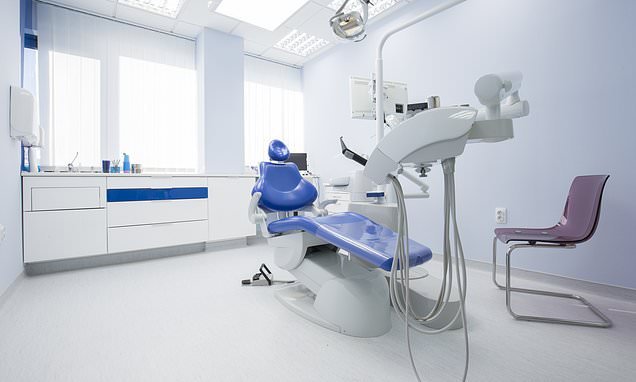
Dental emergencies can happen unexpectedly, causing pain, discomfort, and concern about the health of your teeth. A sudden toothache, a broken tooth, or swelling around the gums may require prompt professional attention. Knowing when to seek help from an emergency dentist in Chestermere can help you respond quickly and protect your oral health.
Although some dental problems can wait for a regular appointment, others need urgent assessment to prevent complications and relieve discomfort.
What Is a Dental Emergency?
A dental emergency is an oral health problem that requires prompt evaluation because of significant pain, injury, swelling, bleeding, or the risk of further damage.
Common dental emergencies include:
Severe or persistent toothache
A cracked, broken, or knocked-out tooth
Swelling around the gums, jaw, or face
Dental abscesses or suspected oral infections
Uncontrolled bleeding following a dental injury or procedure
A lost filling or crown accompanied by significant pain
Injuries affecting the teeth or surrounding soft tissues
If you are unsure whether your symptoms require urgent care, contact a dental professional and explain what has happened.
Common Reasons to Visit an Emergency Dentist
Severe Toothache
Persistent or intense tooth pain may be associated with decay, inflammation, a damaged tooth, or an infection. Avoid placing aspirin directly on the tooth or gums, as this can injure the tissue. Arrange a prompt dental assessment to identify the cause and discuss appropriate treatment.
Broken or Cracked Teeth
A tooth may crack or break while eating, during sports, or following an accident. Rinse your mouth gently with warm water and avoid chewing on the affected side. If possible, save any broken pieces and take them to your appointment.
Even if the tooth does not hurt immediately, it is worth having it evaluated because damage may expose sensitive inner layers or worsen over time.
Knocked-Out Tooth
A permanent tooth that has been completely knocked out requires immediate attention. Pick it up by the crown, not the root. If it is dirty, rinse it gently with milk or saline; do not scrub it. If possible, place it back in its socket without forcing it. Otherwise, keep it moist in milk or an appropriate tooth-preservation solution and seek urgent dental care immediately.
Time matters, so do not delay while trying home remedies. A knocked-out baby tooth should not be replanted.
Swelling or a Possible Dental Infection
Swelling around a tooth or gum, a persistent bad taste, or pain when biting may indicate an infection. Dental infections need professional evaluation and should not be ignored, even if the pain temporarily improves.
Seek emergency medical care immediately if you experience difficulty breathing or swallowing, rapidly spreading facial or neck swelling, or other signs of a serious infection.
What to Do Before Your Dental Appointment
Taking a few simple steps may help protect the affected area while you arrange professional care.
Rinse gently with warm salt water if appropriate.
Apply a cold compress to the outside of the cheek to help manage swelling.
Avoid very hot, cold, hard, or sugary foods if they worsen discomfort.
Keep a broken or injured tooth area clean without applying excessive pressure.
Use over-the-counter pain relief only as directed on the label and if it is safe for you.
Do not place chemicals, aspirin, or other medication directly against the gums or tooth.
These measures are temporary and do not replace a dental examination.
What to Expect During an Emergency Dental Visit
When visiting an emergency dentist in Chestermere, the dental team will typically ask about your symptoms, when they began, and whether an injury occurred. An examination and dental X-rays may be recommended to understand the problem.
Treatment depends on the underlying cause. It may involve repairing a damaged tooth, treating decay, managing an infection, or discussing extraction when a tooth cannot be saved. The immediate priority is to assess the urgency, address the problem, and explain the next steps.
Not every dental emergency requires the same treatment, so an individual assessment is important.
Finding Emergency Dental Care in Chestermere
When searching for urgent dental care, consider how quickly the practice can assess your problem, what types of emergencies it handles, and whether an appointment is available. Explain your symptoms clearly when contacting the office so the team can help determine the appropriate next step.
Dawson Landing Dental is a local practice to consider when researching dental care in Chestermere. Contact the practice directly to ask about current availability and whether it can assess your specific dental concern.
Final Thoughts
Dental emergencies can be stressful, but acting promptly can help reduce the risk of further complications. Severe tooth pain, broken teeth, dental injuries, and unexplained swelling should be evaluated by a dental professional as soon as possible.
If you need an emergency dentist in Chestermere, seek guidance promptly and follow professional advice rather than relying solely on home remedies. For symptoms such as difficulty breathing or swallowing or rapidly spreading facial swelling, go to an emergency medical department immediately.