
 Written by
The best time to start laser scar treatment depends on the type of scar, how well the skin has healed, and the treatment goals. For people considering Scar Laser Removal in Dubai, understanding the right timing can help support safer treatment planning; Dynamic Clinic in Dubai is one local option for exploring scar treatment. Starting too early may interfere with healing, while waiting for the right stage can help a specialist select an appropriate laser approach.
How Long Should You Wait Before Laser Scar Treatment?
There is no single waiting period that suits every surgical scar. The incision must be fully closed, and the surrounding skin should have recovered enough to tolerate laser treatment. The timing depends on the procedure, scar appearance, skin sensitivity, and whether any complications occurred during healing.
Some early scar treatments may be considered within weeks or months of surgery, while other laser procedures are better suited to mature scars. A qualified healthcare professional should assess the area before recommending treatment.
Factors that influence timing include:
Wound healing: The skin must be closed, without open areas or active infection.
Scar maturity: Redness, thickness, firmness, and texture can change over several months.
Skin type: The risk of pigmentation changes varies with skin tone and individual skin response.
Surgical recovery: The underlying tissue may need additional time to heal after extensive procedures.
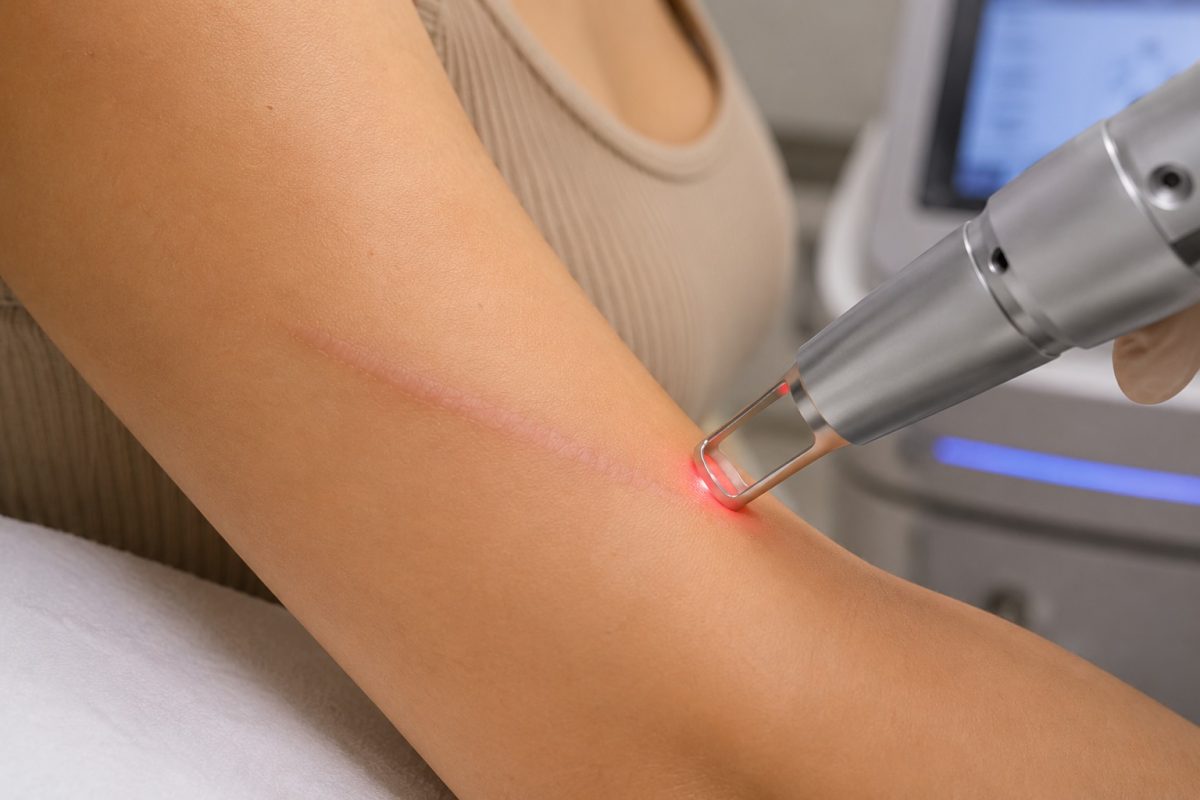
Can Laser Treatment Begin While a Surgical Scar Is New?
Early intervention may help manage certain developing scars, but laser treatment should never begin on an unhealed surgical wound. Some vascular lasers can target persistent redness, while other laser systems may help improve texture or thickness at a suitable stage of recovery.
A clinician may recommend an early assessment if a scar becomes unusually raised, red, or firm. This does not mean immediate laser treatment is always necessary. Silicone gel or sheets, appropriate wound care, and follow-up with the surgical team may be more suitable during the initial healing period.
People who have undergone surgery should follow their surgeon’s instructions before introducing any cosmetic procedure. The incision’s location, depth, and healing pattern all affect the safest treatment schedule.
When Is the Ideal Time for Different Types of Scars?
Different scars respond to treatment at different stages of healing. Identifying the scar type helps determine whether early intervention or treatment after maturation is more appropriate.
1. Red or Pink Surgical Scars
Redness is common during the early stages of scar formation. If it remains noticeable after the incision has healed, a vascular laser may help reduce visible redness by targeting small blood vessels. The timing depends on the laser used and the person’s recovery.
2. Raised or Thick Scars
Hypertrophic scars develop when excess collagen builds up within the original wound boundaries. Some may benefit from early assessment and treatment before they become more established. Laser therapy may be combined with other approaches, such as silicone therapy or corticosteroid injections, depending on the scar’s severity.
3. Indented or Uneven Scars
Indented scars and scars with rough texture may require treatments that stimulate collagen remodeling. Fractional lasers can improve selected textural concerns, but they are generally considered only after the skin has healed sufficiently. Several sessions may be needed, depending on the depth and characteristics of the scar.
4. Mature Surgical Scars
Mature scars often become softer, flatter, and less noticeable over time. Many continue to change for 12 months or longer. Laser treatment may still improve redness, pigmentation, or texture after the scar has matured, so there is no strict deadline for seeking an assessment.
What Can Affect Laser Scar Treatment Timing in Dubai?
Dubai’s sunny climate makes sun protection especially important before and after laser procedures. Ultraviolet exposure can increase the risk of post-inflammatory hyperpigmentation, particularly in skin that naturally produces more melanin.
Before scheduling treatment, consider these precautions:
Limit direct sun exposure and use broad-spectrum SPF 30 or higher.
Avoid treatment over irritated, infected, or recently injured skin.
Tell the clinician about previous pigmentation problems, keloids, medications, and skin conditions.
Follow recommended aftercare to reduce irritation and support recovery.
A clinician may adjust the treatment plan according to skin tone, recent sun exposure, and the likelihood of pigmentation changes. Treatment may need to be postponed if the skin is tanned, inflamed, or otherwise unsuitable for laser exposure.
How Do You Know Your Scar Is Ready for Laser Treatment?
A professional assessment can help determine whether the scar has reached an appropriate stage. The clinician will examine its colour, thickness, texture, location, and healing history before selecting a suitable laser or alternative treatment.
Seek medical advice promptly if the surgical area develops increasing pain, warmth, swelling, discharge, or spreading redness. These symptoms may indicate a complication that needs attention before cosmetic scar treatment is considered.
It is also important to understand that laser therapy usually improves a scar’s appearance rather than removing it completely. Results vary according to scar type, skin characteristics, treatment settings, and adherence to aftercare.
Conclusion
The best time to start laser scar treatment is when the surgical wound has fully healed and the skin is suitable for the chosen procedure. Some scars may benefit from earlier assessment, while others respond to treatment after several months of maturation. A personalised evaluation helps determine the safest timing and most appropriate approach, particularly for people with darker skin tones or a history of raised scars. Consistent sun protection and careful aftercare remain important throughout the treatment process.