
 Written by
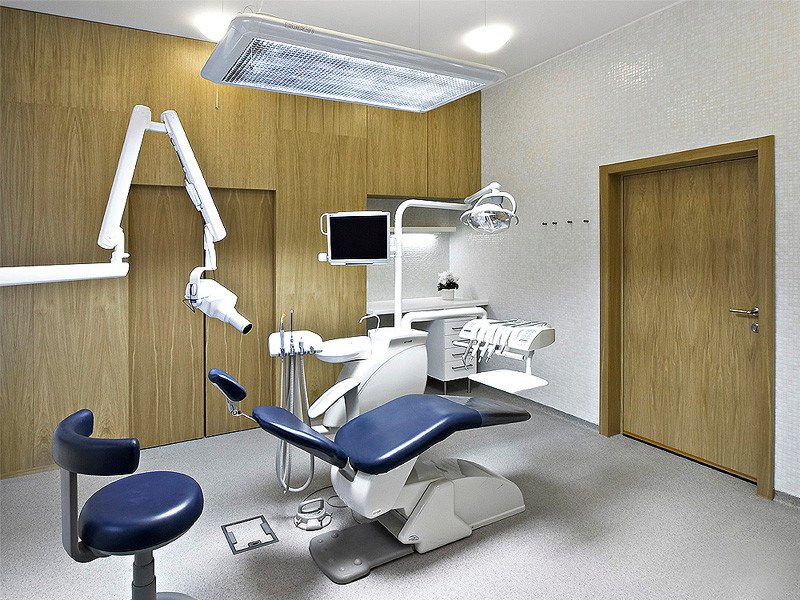
Dental emergencies can happen unexpectedly, whether you experience a severe toothache, a broken tooth, swelling, or an injury to your mouth. Knowing where to find the best urgent dental care in Edmonton can help you get timely attention, manage discomfort, and prevent a dental problem from becoming more serious.
While some dental concerns can wait for a routine appointment, others require prompt evaluation by a dental professional. Understanding the warning signs and knowing what to do before your appointment can make a stressful situation easier to manage.
What Is Urgent Dental Care?
Urgent dental care focuses on dental problems that need prompt attention rather than waiting for a regular checkup. These issues may involve pain, damage to a tooth, infection, or injuries affecting the gums and surrounding tissues.
Common reasons to seek urgent dental care include:
Severe or persistent tooth pain
A chipped, cracked, or broken tooth
A knocked-out permanent tooth
Swelling around the gums, jaw, or face
A lost filling or dental crown causing discomfort
Bleeding or injury involving the mouth
Signs of a possible dental infection
A dentist can assess the problem, identify its likely cause, and recommend appropriate treatment based on your symptoms and oral health.
Signs You Should Not Ignore
Not every dental problem causes intense pain at first. Some conditions develop gradually and become more serious if left untreated.
Severe or Persistent Toothache
A toothache that continues, worsens, or interferes with eating and sleeping may indicate decay, inflammation, or another dental problem. A dental examination can help determine whether treatment such as a filling, root canal, or another procedure is appropriate.
Swelling and Possible Infection
Swelling in the gums or around a tooth may be associated with infection. Other warning signs can include tenderness, a bad taste in the mouth, or fever. These symptoms should be assessed promptly by a dental professional.
If you have difficulty breathing or swallowing, rapidly increasing facial or neck swelling, or other signs of a serious emergency, seek emergency medical care immediately.
Broken or Knocked-Out Teeth
A damaged tooth can expose sensitive inner structures and cause significant discomfort. If a permanent tooth is knocked out, seek dental care immediately because treatment is time-sensitive. Hold the tooth by its crown, avoid touching the root, and keep it moist in milk or an appropriate tooth-preservation solution while arranging urgent care.
What to Do Before Your Dental Appointment
Taking a few sensible steps can help protect your teeth until you receive professional care.
For tooth pain: Gently rinse your mouth with warm water and carefully remove trapped food. Avoid placing aspirin directly on the tooth or gums.
For swelling: Apply a cold compress to the outside of your cheek for short intervals.
For a broken tooth: Rinse your mouth gently and save any broken pieces if possible.
For bleeding: Apply gentle, steady pressure with clean gauze.
For a lost crown or filling: Avoid chewing on that side and contact a dental clinic for advice.
Do not attempt to repair a damaged tooth yourself. Home care may provide temporary relief, but it cannot replace a professional examination.
Treatment Options for Dental Emergencies
The right treatment depends on the cause and severity of the problem. After examining the affected area, a dentist may recommend one or more of the following options.
Emergency Examination and Dental X-Rays
An examination helps the dentist assess the tooth, gums, and surrounding tissues. Dental X-rays may be needed to identify problems that are not visible during a visual examination.
Fillings and Tooth Restoration
When a tooth is damaged by decay or a minor fracture, a filling or another restorative treatment may help protect its structure. The appropriate option depends on how much of the tooth has been affected.
Root Canal Treatment
If the inner pulp of a tooth becomes inflamed or infected, root canal treatment may be recommended to address the problem and preserve the natural tooth when possible.
Tooth Extraction
In some cases, a tooth may be too damaged to restore safely. A dentist can evaluate whether extraction is necessary and explain any suitable alternatives.
Treatment for Dental Infections
Dental infections require professional assessment to determine the source and appropriate treatment. Antibiotics may be indicated in certain situations, but they do not replace treatment of the underlying dental problem.
How to Find the Best Urgent Dental Care in Edmonton
When comparing options for urgent dental care, consider more than convenience alone. Look for a dental clinic that can assess your symptoms, explain available treatments, and provide clear guidance about the next steps.
Useful factors to consider include:
Appointment availability: Ask whether the clinic can accommodate urgent dental concerns.
Range of treatment options: Find out whether the clinic can assess your particular problem and discuss suitable treatment.
Clear communication: Choose a provider who explains the condition, treatment choices, and expected costs.
Location and accessibility: Consider travel time, parking, and any accessibility requirements.
Follow-up care: Ask whether additional appointments may be needed after the initial emergency visit.
Edmonton West Dental Clinic is one option to contact when looking for dental care in Edmonton. You can visit the clinic’s website at https://www.edmontonwestdental.com/ to review its information and ask about appointment availability for your dental concern.
Can Dental Emergencies Be Prevented?
Although not every emergency can be avoided, consistent oral care can reduce the risk of many common dental problems.
Brush twice daily with fluoride toothpaste, clean between your teeth every day, and attend regular dental checkups. Limit frequent sugary snacks and drinks, and wear a mouthguard during contact sports. Avoid chewing ice or other hard objects that may crack a tooth.
If you have an existing dental concern, arranging an examination early may help prevent it from developing into a more urgent problem.
Final Thoughts
Finding the best urgent dental care in Edmonton starts with recognizing symptoms and contacting a dental professional when prompt attention is needed. Severe tooth pain, swelling, broken teeth, and suspected infections should not be ignored.
Until you receive care, follow appropriate first-aid steps and avoid attempting to treat the underlying problem yourself. Contact Edmonton West Dental Clinic to ask about available appointments and discuss your dental concern. For life-threatening symptoms, including difficulty breathing or swallowing, seek emergency medical assistance immediately.