
 Written by
The shape and position of the nose tip can have a noticeable influence on the overall appearance of the face, particularly when viewed from the side. A tip that appears rounded, wide, drooping, or poorly defined may affect the balance between the nose, lips, and chin. Nose Tip Plasty in Dubai is a specialised surgical procedure that focuses on refining the lower part of the nose while preserving natural facial proportions. At Dynamic Life Clinic, patients can explore suitable options for improving nose tip definition and achieving a profile that looks balanced with their existing features.
The Role of the Nose Tip in Facial Profile
The nose tip contributes to the projection, angle, and overall contour of the nose. When viewed from the side, its position helps determine how the nose relates to the upper lip, chin, and forehead. Even a relatively small difference in tip shape can influence the appearance of the entire nasal profile. Some people naturally have a rounded or downward-pointing tip, while others develop changes in tip definition as they age. In certain cases, the cartilage structure creates an appearance that feels disproportionate to the rest of the face. Nose tip plasty addresses selected concerns involving this area without necessarily changing the nasal bridge or other structures.
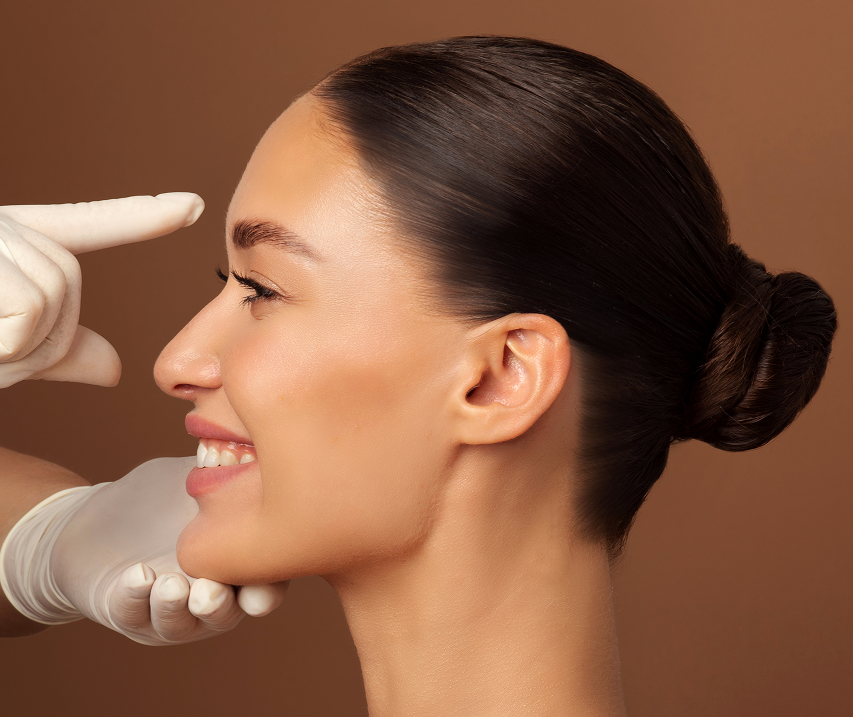
How Nose Tip Plasty Refines the Side Profile
Nose tip plasty focuses on reshaping the cartilage and soft tissues that determine the appearance of the nasal tip. Depending on the patient’s anatomy, a surgeon may adjust cartilage shape, improve support, or refine the tip’s projection.
These changes can create a more defined transition between the nasal bridge and tip. For someone whose tip appears overly rounded or broad, refinement may produce a more balanced contour. If the tip points downward, carefully planned structural adjustments may improve its position.
The objective is not to create an identical nose shape for every patient. Instead, the procedure aims to improve the specific feature affecting the profile while maintaining harmony with the individual’s facial structure.
Improving a Drooping Nose Tip
A downward-pointing nose tip can make the nose appear longer, particularly when viewed from the side. This concern may be present naturally or become more noticeable with age as the supporting tissues change.
During nose tip plasty, the surgeon evaluates the cartilage and supporting structures responsible for the downward position. Depending on the cause, adjustments may help create a more appropriate tip angle and improve the relationship between the nose and upper lip.
The amount of correction depends on the patient’s anatomy and the underlying reason for the drooping appearance. A careful approach is important because excessive rotation can produce an unnatural result or change the appearance of the nostrils.
Creating Better Definition in a Rounded Nose Tip
A bulbous or rounded tip can make the lower part of the nose appear wider or less defined. This may affect the side profile as well as the front view, especially when the tip does not transition smoothly from the nasal bridge.
Nose tip plasty may involve reshaping or repositioning selected cartilage structures to improve definition. The surgeon considers cartilage thickness, skin characteristics, and existing nasal support before deciding how much refinement is appropriate.
Patients with thicker skin may have limitations in how much definition can become visible after surgery. The goal is to improve the underlying structure while respecting the natural characteristics of the skin and soft tissues.
Balancing Nose Tip Projection and Facial Proportions
Projection describes how far the nose tip extends from the face. A tip that projects too far or too little may influence the overall profile, although what looks balanced varies between individuals. Nose tip plasty can sometimes adjust projection by modifying the cartilage framework. The surgeon assesses the nose in relation to the forehead, lips, and chin to determine whether a change would improve facial proportions.A suitable surgical plan should consider the patient’s natural features rather than relying on a fixed measurement or a particular aesthetic trend. Maintaining adequate structural support is also essential for a stable and functional result.
The Procedure and Recovery Process
Nose tip plasty is performed under anaesthesia, with the specific approach depending on the complexity of the correction and the surgeon’s assessment. The surgeon makes carefully planned adjustments to the structures that shape the tip. In some cases, the procedure may be limited to the tip, while other concerns may require a broader rhinoplasty approach. After surgery, swelling and bruising can occur around the nose. Patients may also experience temporary tenderness, congestion, or sensitivity. Initial healing generally takes place over the following weeks, but subtle swelling around the tip can take several months to settle. Following post-operative instructions helps support recovery. Patients should avoid pressure or accidental impact to the nose, attend follow-up appointments, and follow the surgeon’s advice about exercise and daily activities. The final appearance should be assessed after sufficient healing rather than during the early recovery period.
Checkpoint: Important Considerations Before Surgery
Nose tip plasty can improve selected aesthetic concerns, but it is not suitable for every nasal profile. A detailed consultation helps determine whether the concern comes from the tip itself or involves other structures, such as the nasal bridge or septum.
Patients should understand the following considerations before deciding on surgery:
Individual anatomy: Cartilage strength, skin thickness, and existing nasal support influence the surgical plan.
Realistic expectations: Surgery can refine the tip, but it cannot guarantee a particular profile or make every facial feature symmetrical.
Possible complications: Risks may include bleeding, infection, scarring, changes in sensation, breathing difficulties, or dissatisfaction with the result.
Healing time: Swelling may take months to resolve fully, particularly around the nasal tip.
Functional assessment: Nasal breathing and internal structures should be evaluated when there are concerns about airflow.
A qualified surgeon should explain the expected benefits, limitations, and potential risks before treatment.
Dynamic Life Clinic: Personalised Care for Nose Tip Refinement
Choosing an experienced medical team is an important part of planning nose tip surgery. Dynamic Life Clinic provides consultations to assess nasal structure, facial proportions, and individual aesthetic concerns before recommending an appropriate treatment approach. During the assessment, the surgeon can discuss whether isolated nose tip plasty may address the concern or whether a more comprehensive procedure would be suitable. Patients can also discuss their desired profile, recovery expectations, and the limitations associated with their nasal anatomy. A personalised treatment plan helps ensure that any proposed refinement considers both appearance and nasal function. The aim is to achieve a natural-looking outcome that complements the patient’s existing facial features.
Frequently Asked Questions
1. Can nose tip plasty make my side profile look more balanced?
Yes, it may improve profile balance when the main concern involves the shape, position, or projection of the nose tip. The result depends on the patient’s anatomy and the extent of correction required.
2. Does nose tip plasty change the shape of the nasal bridge?
Not usually. Nose tip plasty primarily focuses on the lower part of the nose. If the nasal bridge also needs correction, the surgeon may discuss a more comprehensive rhinoplasty procedure.
3. Can nose tip plasty correct a downward-pointing nose?
It may help improve a drooping tip by adjusting the supporting cartilage and tip position. The appropriate technique depends on the cause and severity of the drooping.
4. How long does it take to see the final nose tip shape?
Initial changes become visible as early swelling decreases, but the nasal tip can remain swollen for several months. The final result should be evaluated after the tissues have had enough time to heal.
5. Is nose tip plasty suitable for everyone?
No. Suitability depends on nasal anatomy, skin thickness, overall health, breathing function, and personal expectations. A consultation with a qualified surgeon is necessary to determine whether the procedure is appropriate.
Conclusion
Nose tip plasty can improve the appearance of the side profile by refining tip shape, adjusting projection, or addressing a downward-pointing or rounded tip. Because the nose plays an important role in facial balance, even a focused adjustment may influence the overall appearance. Careful assessment, realistic expectations, and an individualised surgical plan are essential for achieving a natural-looking result that complements the rest of the face.