
 Written by
Hair restoration has moved well beyond transplants, shampoos, and basic supplements. Regenerative medicine now offers treatments built on the signaling molecules that cells use to communicate, and exosome therapy is among the most talked-about of these. Interest has grown quickly, but accurate information has not always kept pace with it. Anyone researching Exosomes for Hair Price in Pakistan will find that cost depends on far more than a single figure, because product source, session count, scalp condition, and clinic standards all influence what you pay. This guide explains what exosomes are, how treatment works, what shapes pricing, and how to make a safe and informed decision.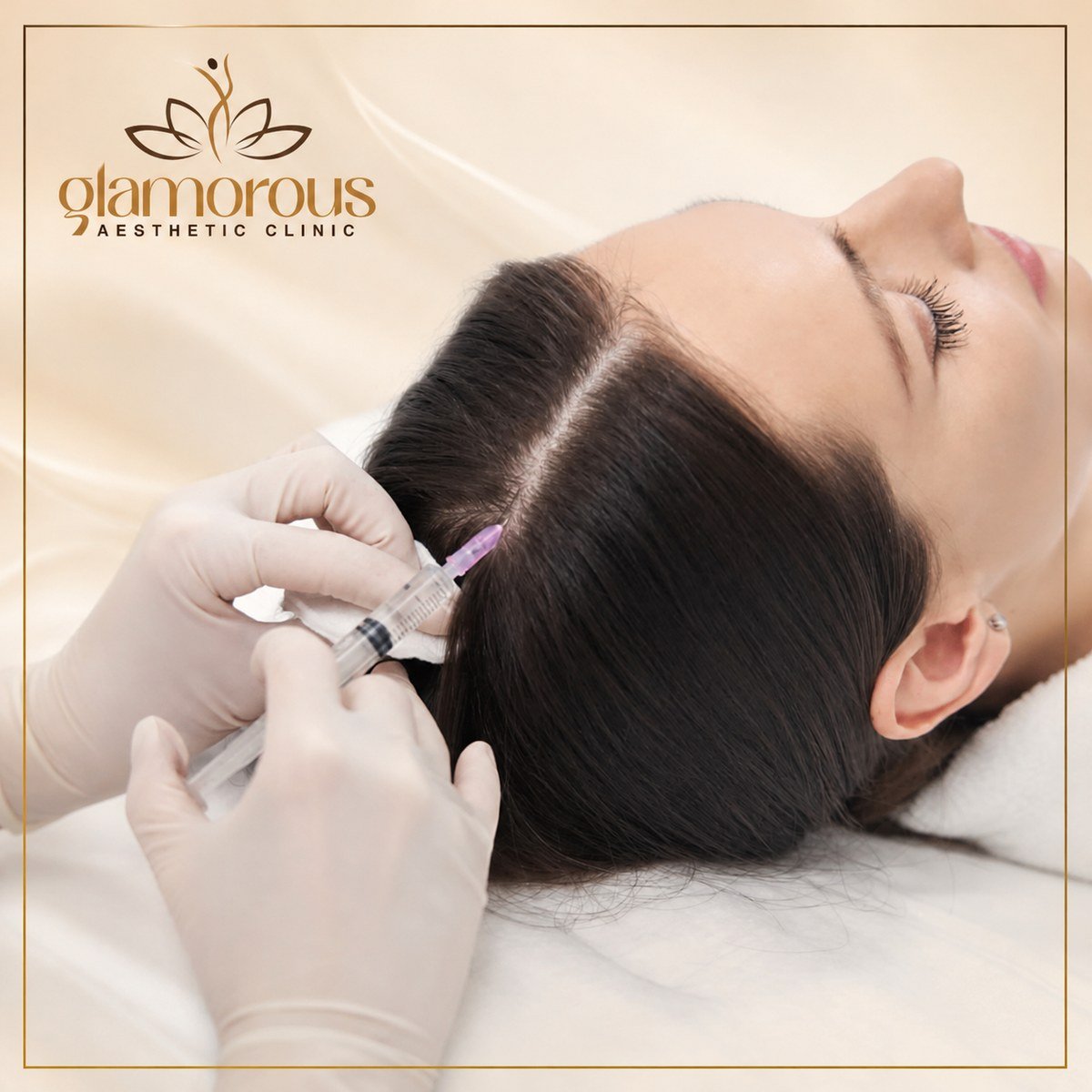
What Are Exosomes?
Exosomes are tiny vesicles released by cells, carrying proteins, lipids, growth factors, and genetic messages that tell neighboring cells how to behave. In hair care, they are used because these signals may help calm inflammation, support follicle activity, and encourage cells in the scalp to function more effectively.They are not stem cells themselves. They are products derived from cells, which are purified and prepared for use in medical or aesthetic settings. Their precise source, purity, and preparation vary significantly between products, which is one reason quality and regulation matter so much.
How Exosome Therapy May Support Hair?
Hair follicles cycle through growth, transition, and resting phases. In thinning hair, follicles often shrink, spend less time growing, and become less responsive to normal signals. Exosomes are thought to deliver messages that may prolong the growth phase, improve the environment around follicles, and stimulate weakened cells.Early studies and clinical experience suggest possible benefits for certain types of thinning, but research is still developing. It is important to approach the treatment as a promising supportive option rather than a guaranteed cure.
Who May Benefit?
Exosome therapy is most often considered for people with early to moderate thinning, especially pattern hair loss in which follicles are weakened but still alive. It may also be offered to people experiencing shedding linked to stress, illness, or hormonal changes, as well as those seeking to support results after a hair transplant.It is generally less effective in areas of long-standing, complete baldness where follicles have disappeared. In such cases, other options such as surgical restoration may be more appropriate. A proper scalp assessment determines which category you fall into.
The Consultation Process
A good consultation begins with your history, including how long hair loss has been present, family patterns, medications, diet, stress levels, and previous treatments. The practitioner examines the scalp, often with magnification, to assess follicle density, miniaturization, and inflammation.Blood tests may be recommended to check iron, vitamin D, thyroid function, and hormones, since deficiencies and medical conditions can cause hair loss that no scalp treatment will fully correct. Treating the real cause is essential, and a responsible clinic will not sell exosomes before understanding why your hair is thinning.
How the Treatment Is Performed?
The scalp is cleaned, and a numbing cream may be applied. The exosome solution is then delivered either by microneedling, which creates tiny channels for absorption, or by fine injections placed across the thinning areas. The session typically lasts under an hour.Most people experience mild discomfort, followed by temporary redness, tenderness, or slight swelling. Normal activities can usually resume quickly, though your practitioner will give specific instructions about washing, sun exposure, and styling.
Number of Sessions and Expected Timeline
Treatment is usually delivered as a course of several sessions spaced weeks apart, followed by maintenance depending on response. Hair grows slowly, so visible change takes time. Many people notice reduced shedding first, followed by gradual improvement in thickness and density over several months.Results vary according to the cause of hair loss, age, scalp health, and consistency. Anyone promising rapid transformation within days should be treated with caution.
What Determines the Price?
Understanding the factors behind cost helps you compare quotes fairly.
Source and Quality of the Product
Exosome products differ widely in origin, purification, concentration, and documentation. Authentic, properly stored, and well-characterized products cost more to produce and import. Very low prices may signal diluted, unverified, or poorly stored material.
Number of Sessions
Because treatment normally involves a course, the total cost depends on how many sessions are recommended. Always ask whether a quote covers one session or the entire plan.
Area Treated
A small area, such as the hairline, requires less product than the entire scalp. The extent of thinning therefore influences the amount used and the final price.
Delivery Method
Microneedling-based application and injection-based delivery may involve different techniques, devices, and time requirements, which can affect pricing.
Clinic Standards and Practitioner Expertise
Sterile facilities, trained medical staff, proper storage, and follow-up care all carry real costs. A clinic that invests in these standards will naturally charge more than one that cuts corners.
Import Costs and Exchange Rates
Many advanced regenerative products are imported, so customs charges, cold-chain transport, and currency movements can affect what clinics pay and what patients are quoted.
Combination Treatments
Some plans combine exosomes with platelet-rich plasma, mesotherapy, or medical therapy. Combined plans change the overall cost, so ask for a clear breakdown.
Safety, Regulation, and Evidence
Exosome therapy is a relatively new field, and regulation varies between countries. In some regions, regulators have cautioned against unapproved exosome products, particularly when marketed with exaggerated medical claims. Patients should ask about the product’s origin, manufacturing standards, storage, and documentation.Possible side effects include redness, swelling, tenderness, itching, and, rarely, infection or allergic reaction. Sterile technique and authentic products reduce these risks. Be wary of any provider who claims there are no risks at all.
Limitations to Understand
Exosomes cannot revive follicles that are completely gone, and they do not change your genetic tendency toward hair loss. They may need maintenance, and results can fade if the underlying cause continues. They are also not a substitute for treating nutritional deficiencies, thyroid problems, or scalp disease.Evidence is still emerging, so honest practitioners present the treatment as one option among several rather than a guaranteed solution.
Alternatives to Consider
Platelet-rich plasma uses concentrated growth factors from your own blood and has a longer track record in hair care. Topical minoxidil and certain oral medicines prescribed by a doctor are established options for pattern hair loss. Mesotherapy delivers vitamins and nutrients to the scalp, and low-level light therapy may support follicle activity. For advanced loss, hair transplantation remains the most reliable way to restore density.Often, the best results come from combining approaches under medical guidance rather than relying on a single treatment.
Supporting Your Results at Home
Treatment works better when daily habits support it. Eat enough protein, iron, zinc, and vitamin D, manage stress, and sleep well. Avoid tight hairstyles, harsh chemical treatments, and excessive heat. Use a gentle shampoo, protect the scalp from sun, and avoid smoking, which impairs circulation to follicles.Follow your practitioner’s aftercare advice carefully, especially regarding washing and exposure in the days after treatment.
Questions to Ask Before You Begin
Consider asking whether exosomes suit your type of hair loss, how many sessions are expected, and what results are realistic. Ask about the origin and documentation of the product, possible side effects, what the quote includes, and what follow-up is provided. These questions help you decide with confidence rather than impulse.
Final Thoughts
Exosome therapy is an intriguing development in hair restoration, but its value depends on accurate diagnosis, authentic products, skilled application, and realistic expectations. Price reflects product quality, session count, treatment area, clinic standards, and import factors, so a fair quote always follows a proper consultation. Compare identical plans, ask detailed questions, and be cautious of bargains or guaranteed claims. By combining professional guidance with healthy habits and patience, you can decide whether this treatment fits your goals and pursue it safely, with results you can trust.
Read More :
https://serebryansk.kul.kz/articles/474-exosome-hair-therapy-prices-for-personalized-treatment-plans.html