Written by
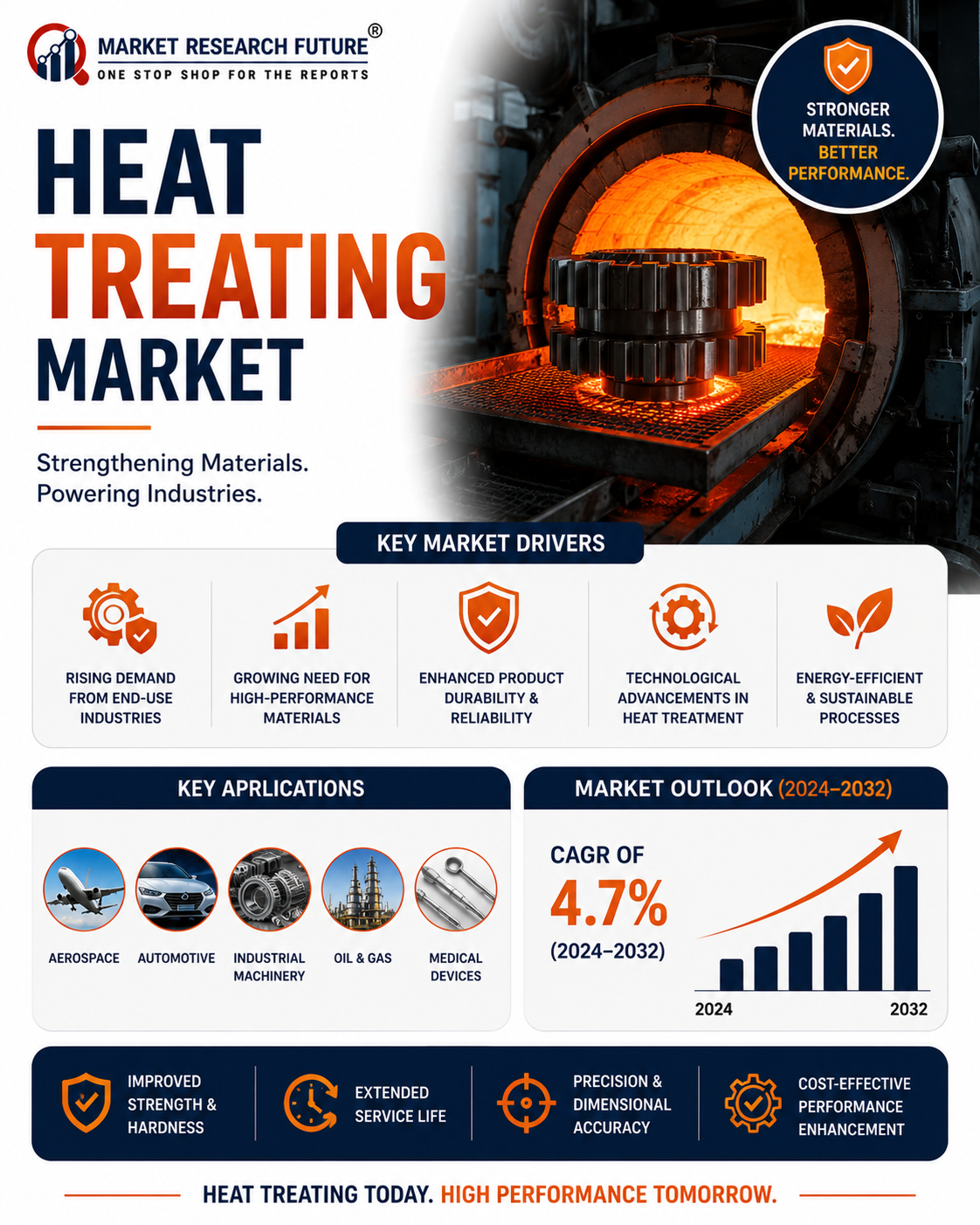
 Controlled atmosphere furnaces are essential for achieving high-quality, consistent heat treatment by preventing oxidation and decarburization. Industrial thermal engineering provides the expertise and technology required to design and operate advanced heat treatment systems. The Heat Treating Market, valued at USD 105 billion in 2024 and projected to grow at a 4.3% CAGR through 2035, reflects the essential role of these technologies. At the forefront of heat treatment excellence are controlled atmosphere furnaces and industrial thermal engineering, which together are ensuring the quality and reliability of heat-treated components.
The Evolution of Controlled Atmosphere Furnaces
Controlled Atmosphere Furnaces have evolved from simple muffle furnaces to sophisticated systems with precise gas flow control and monitoring. Modern furnaces use inert or reactive gases to maintain a controlled environment, ensuring consistent, high-quality results. The demand for environmentally friendly processes is propelling innovations in heat treating technologies. The focus on energy efficiency is also driving the adoption of advanced furnace designs.
The evolution of controlled atmosphere furnaces is driven by the need for consistent, high-quality heat treatment. These furnaces are critical for applications where surface integrity is paramount, such as in aerospace and automotive components. The development of new technologies with improved performance is expanding the application range.
The Strategic Importance of Industrial Thermal Engineering
Industrial Thermal Engineering encompasses the design, operation, and optimization of thermal processing systems. This discipline integrates principles of heat transfer, thermodynamics, and materials science to achieve precise, efficient heat treatment. The integration of Industry 4.0 technologies, such as IoT and AI, allows for real-time monitoring and optimization of heat treating processes.
The strategic importance of industrial thermal engineering is amplified by the need for efficiency and precision in heat treatment. The development of advanced heat treatment technologies for aerospace components, expansion into emerging markets, and integration of IoT for real-time monitoring represent significant opportunities.
Key Applications Driving Market Growth
Controlled atmosphere furnaces and industrial thermal engineering find applications across diverse industries. Automotive represents the largest application segment, driven by the robust demand for advanced processing methods to enhance the durability and performance of vehicle components. Aerospace is rapidly gaining traction as the fastest-growing application, leveraging innovative heat treatment solutions to meet stringent safety and efficiency standards.
The tool and die industry significantly contributes to the Heat Treating Market, as the demand for durable and high-performance tools continues to rise. Medical and energy applications also require specialized heat treating solutions to meet rigorous performance and safety standards.
Benefits of Controlled Atmosphere Processing
The benefits of controlled atmosphere furnaces and industrial thermal engineering extend across quality, consistency, and efficiency. Quality is ensured through precise environmental control and consistent processing. Consistency is achieved through repeatable, reliable operation. Efficiency is improved through optimized thermal cycles and reduced energy consumption.
The adoption of controlled atmosphere processing supports manufacturing innovation and product quality. The development of new technologies with improved performance is expanding the application range.
Future Trends and Opportunities
The future of controlled atmosphere furnaces and industrial thermal engineering is characterized by continued innovation in automation, digitalization, and sustainability. The integration of Industry 4.0 technologies allows for real-time monitoring and optimization. The development of advanced heat treatment technologies for aerospace components, expansion into emerging markets, and integration of IoT for real-time monitoring represent significant opportunities.
Organizations that invest in Controlled atmosphere furnaces and innovative Industrial Thermal Engineering will be well-positioned to drive heat treatment excellence, delivering the high-quality, reliable components demanded by next-generation automotive, aerospace, and industrial applications.