
 Written by
Tired-looking eyes can make the face appear older or less refreshed, even when someone feels well-rested. Hollow areas, tear trough shadows, volume loss, and changes in the delicate skin beneath the eyes can all contribute to this appearance. Under-eye fillers may help improve selected concerns by restoring volume and creating a smoother transition between the lower eyelids and cheeks. At Dynamic Life Clinic, a professional assessment can help determine whether Under Eye Fillers in Dubai are suitable for achieving a fresher-looking appearance.
Understanding the Causes of Tired-Looking Eyes
Several factors can make the eyes appear tired or sunken. Natural ageing may reduce collagen and change the distribution of facial fat, creating hollows beneath the lower eyelids. Genetics can also influence tear trough depth and the natural shape of the eye area. Dark circles caused by pigmentation or visible blood vessels may contribute to a similar appearance. In some people, under-eye bags and fluid retention create shadows that make the area look uneven. Identifying the main cause is essential before choosing a treatment.
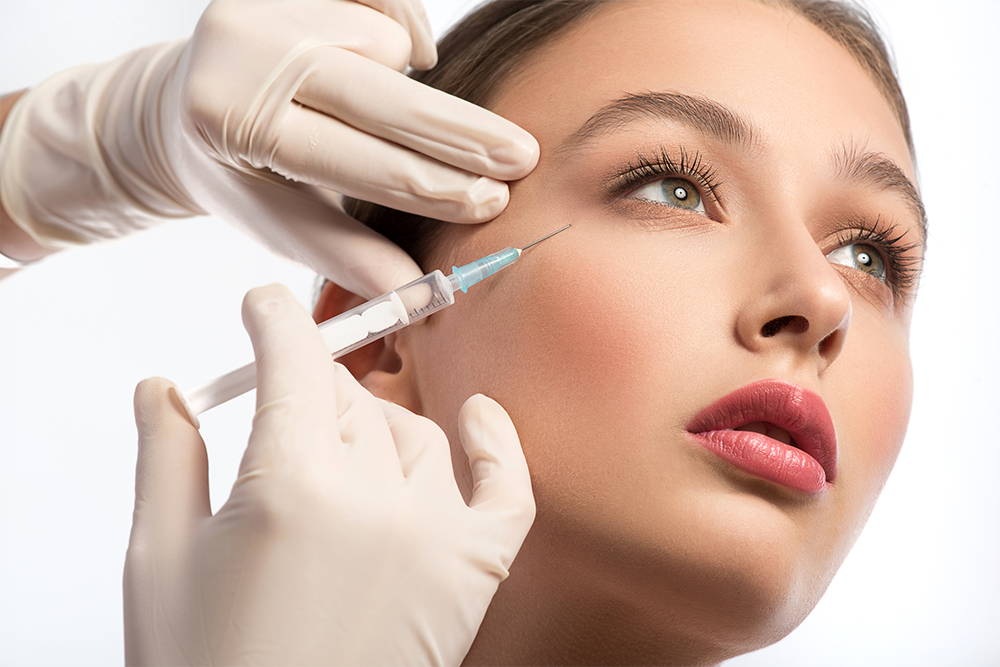
Restoring Lost Volume Beneath the Eyes
Volume loss is one of the concerns that under-eye fillers may address. Hyaluronic acid fillers can add carefully measured volume to selected hollow areas, helping reduce the sunken appearance beneath the lower eyelids. This may create a smoother contour and make the area look less tired. The treatment is generally intended to provide subtle correction rather than produce noticeable fullness. The amount of improvement depends on the depth of the hollow, skin condition, and surrounding facial anatomy.
Reducing Shadows Around the Tear Trough
The tear trough is the groove that extends from the inner corner of the eye towards the upper cheek. When this area becomes deeper, it can create shadows that resemble dark circles. Fillers may soften these depressions by supporting the hollow and improving the transition between the eyelid and cheek. This can make the under-eye area appear more even under different lighting conditions. However, fillers do not directly remove brown pigmentation or discoloration caused by visible blood vessels.
Creating a Fresher Facial Appearance
The area beneath the eyes has a noticeable influence on overall facial expression. Deep hollows and uneven contours can create a tired appearance even when the rest of the face looks healthy. By improving selected volume-related concerns, fillers may help create a smoother and more balanced under-eye contour. The aim is to maintain natural facial proportions rather than completely change the shape of the eyes. Conservative treatment is important because excessive filler can lead to puffiness or an unnatural appearance.
Improving the Appearance of Age-Related Changes
As people age, the skin beneath the eyes may become thinner and lose some of its elasticity. Fat distribution and supporting tissues can also change, making hollows and fine lines more noticeable. Under-eye fillers may improve the appearance of volume-related depressions in suitable patients. They do not stop ageing or correct significant skin laxity. People with loose skin or prominent under-eye bags may need a different treatment approach after a proper examination.
Who May Benefit From Under-Eye Fillers
Under-eye fillers may be considered for adults with mild to moderate tear trough hollowing and suitable facial anatomy. They are generally more appropriate when shadows caused by volume loss are the main reason the eyes look tired. People with significant puffiness, fluid retention, or prominent fat pads may not be ideal candidates because adding volume can make these concerns more noticeable. A consultation should include an assessment of skin thickness, medical history, previous treatments, and individual expectations.
Treatment Safety and Important Considerations
The under-eye area is delicate and contains important blood vessels, so filler injections require precise technique and anatomical knowledge. Temporary swelling, bruising, redness, and tenderness may occur after treatment. Some patients may experience prolonged puffiness, unevenness, or a bluish tint if filler is placed too superficially. Rare but serious complications include vascular blockage, skin injury, and vision impairment. Treatment should only be performed by an appropriately qualified medical professional who can recognise and manage complications.
Frequently Asked Questions About Under-Eye Fillers
Under-eye fillers can improve selected causes of a tired appearance, but their effects depend on individual anatomy and skin condition. The following answers explain common treatment concerns.
Can under-eye fillers make tired eyes look more refreshed?
Yes, they may create a fresher appearance when tear trough hollows and volume-related shadows are responsible for the tired look. Results vary according to facial structure and treatment suitability.
Do under-eye fillers remove dark circles completely?
No. Fillers may reduce shadows caused by hollowing, but they do not directly treat pigmentation or visible blood vessels beneath thin skin.
Can under-eye fillers improve puffy eyes?
Not necessarily. If puffiness is caused by fluid retention or prominent fat pads, adding filler may make the area look fuller. A practitioner should assess the cause before recommending treatment.
How long do under-eye filler results last?
Results are temporary, and their duration varies according to the filler product, individual metabolism, and treatment area. A clinician can explain the expected duration for the selected product.
Are under-eye fillers suitable for everyone with tired-looking eyes?
No. People with significant under-eye bags, unsuitable anatomy, or certain skin conditions may need alternative treatments. Professional assessment is important before proceeding.
Conclusion
Under-eye fillers may improve tired-looking eyes when hollowing and volume loss create shadows beneath the lower eyelids. By restoring selected areas of volume, they can soften tear trough depressions and create a smoother transition between the eyes and cheeks. However, they do not correct every cause of dark circles, puffiness, or skin ageing. Careful patient selection, appropriate product placement, and a thorough medical assessment are essential for achieving a natural-looking result while reducing potential risks.