
 Written by
Choosing the right skin treatment depends on your skin concerns, desired results, and the way each procedure works. People exploring advanced skin rejuvenation options often compare injectable treatments with minimally invasive techniques. In Dubai, Mesotherapy in Dubai is one option discussed for improving skin hydration and texture, including at Dynamic Clinic in Dubai. However, mesotherapy and microneedling use different methods to support skin health, making it important to understand their individual benefits and limitations.
What Is Mesotherapy Treatment?
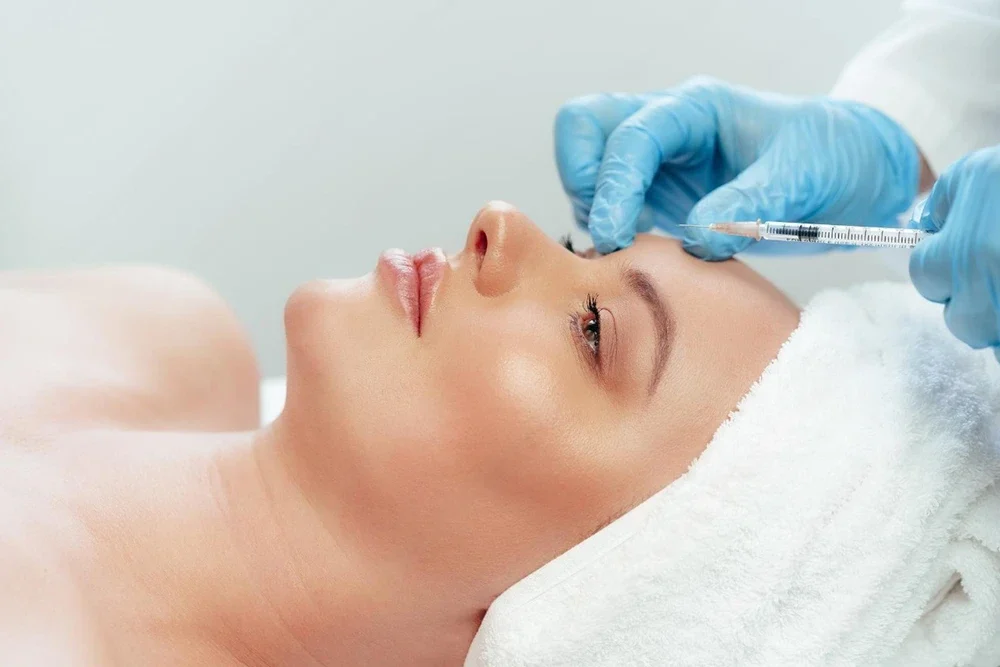
Mesotherapy is a minimally invasive cosmetic procedure that involves delivering selected substances into the middle layer of the skin, known as the mesoderm. Depending on the treatment plan, these substances may include hyaluronic acid, vitamins, amino acids, minerals, and other skin-supporting ingredients.
The purpose is to deliver selected ingredients directly into targeted areas rather than relying entirely on topical skincare products. Mesotherapy formulations vary, and their suitability depends on individual skin concerns and professional assessment.
Common reasons people consider mesotherapy include:
Improving the appearance of dehydrated skin.
Supporting skin hydration and softness.
Addressing uneven skin texture.
Improving the appearance of dull-looking skin.
Supporting overall skin rejuvenation.
The ingredients, injection depth, and treatment approach depend on the formulation and the individual’s skin condition.
What Is Microneedling?
Microneedling is a skin rejuvenation procedure that uses a device fitted with very fine needles to create controlled micro-injuries in the skin. These tiny channels activate the body’s natural wound-healing response, encouraging collagen and elastin production.
Collagen provides structural support, while elastin contributes to skin flexibility. As the skin repairs itself, these processes may gradually improve its appearance and texture.
Microneedling is commonly considered for concerns such as:
Fine lines and wrinkles.
Enlarged pores.
Mild acne scars.
Uneven skin texture.
Certain types of superficial pigmentation.
Reduced skin firmness.
Unlike mesotherapy, microneedling primarily works by stimulating the skin’s natural repair mechanisms rather than delivering a specific injectable formulation.
Key Differences Between Mesotherapy and Microneedling
Although both procedures are used for skin rejuvenation, their techniques, mechanisms, and treatment goals differ.
| Feature | Mesotherapy | Microneedling |
|---|---|---|
| Main technique | Small injections into targeted skin layers | Controlled micro-injuries using fine needles |
| Primary approach | Delivers selected ingredients | Stimulates natural healing |
| Main focus | Hydration and skin nourishment | Collagen production and skin texture |
| Ingredients | May include hyaluronic acid, vitamins, and other substances | Usually relies on the skin’s healing response |
| Common concerns | Dullness and dehydration | Acne scars, pores, and fine lines |
| Recovery | Depends on the injected formulation and technique | Usually involves temporary redness and sensitivity |
The most important distinction is that mesotherapy focuses on ingredient delivery, whereas microneedling focuses on controlled skin stimulation.
How Do Their Results Differ?
The results depend on the treatment method, skin condition, formulation, and individual response.
Mesotherapy may help improve the appearance of dehydrated or tired-looking skin when an appropriate formulation is selected. Its effects depend heavily on the ingredients used and how the skin responds to them.
Microneedling works through a gradual repair process. Collagen production takes time, so improvements in skin texture, fine lines, and certain scars may become more noticeable over several weeks or months.
Neither treatment guarantees identical results for everyone. Skin age, existing damage, lifestyle habits, sun exposure, and aftercare can all influence the outcome.
Which Treatment Is Better for Different Skin Concerns?
The appropriate option depends on the specific concern rather than the popularity of a procedure.
Mesotherapy may be considered when:
Skin appears dehydrated or lacks radiance.
The primary goal involves improving skin hydration.
A suitable formulation can address the individual’s concerns.
Microneedling may be considered when:
Uneven skin texture is a major concern.
Mild acne scarring requires attention.
Fine lines and enlarged pores affect skin appearance.
Collagen stimulation is an important treatment objective.
People with multiple skin concerns may require a more individualized approach. A qualified professional can assess skin sensitivity, medical history, and treatment expectations before recommending either procedure.
Can Mesotherapy and Microneedling Be Combined?
Some treatment plans may incorporate both procedures to address different skin concerns. However, combining them is not automatically necessary or suitable for everyone.
The timing and sequence require careful consideration because both procedures involve needle-based techniques. Performing them too close together may increase irritation, inflammation, or infection risks.
A professional assessment should determine whether combination treatment is appropriate, how much recovery time is needed, and which products or ingredients are safe to use.
Possible Side Effects and Recovery
Both procedures can cause temporary reactions, although their effects vary.
Mesotherapy may cause:
Mild redness around injection points.
Swelling or tenderness.
Small bruises.
Temporary skin sensitivity.
Rarely, infection, allergic reactions, or other injection-related complications.
Microneedling may cause:
Redness and mild swelling.
Temporary dryness or tightness.
Skin sensitivity.
Minor pinpoint bleeding.
Temporary irritation or pigmentation changes.
Proper hygiene and suitable aftercare are essential. Sun protection, gentle skincare, and avoiding irritating products during the recommended recovery period can help protect the skin.
Conclusion
Mesotherapy and microneedling offer different approaches to skin rejuvenation. Mesotherapy delivers selected ingredients into the skin, while microneedling stimulates natural collagen production through controlled micro-injuries. The better option depends on individual skin concerns, treatment goals, and suitability. Understanding these differences helps people make informed decisions and discuss realistic outcomes with a qualified skincare professional.