
 Written by
Rebuilding core strength and flattening a persistent post-pregnancy stomach bulge often proves impossible when internal abdominal muscles remain physically separated. When exploring professional Cosmetic Surgery in Islamabad, patients frequently ask Can Cosmetic Surgery in Islamabad Repair Separated Abdominal Muscles After Pregnancy? and restore core stability. Because pregnancy stretches the connective tissue running down the center of the abdomen beyond its natural rebound limit, crunches and planks cannot pull separated muscle bellies back together. By surgically suturing the separated rectus abdominis muscles along the midline and removing redundant skin, board-certified specialists recreate a strong internal corset. Understanding how surgical diastasis recti repair operates empowers you to reclaim both functional core support and a flat abdominal silhouette with clarity and confidence.
Why Do Abdominal Muscles Separate During Pregnancy?
During pregnancy, the expanding uterus places tremendous outward pressure on the anterior abdominal wall over nine months. This sustained tension stretches and thins the linea alba—the fibrous connective tissue band holding the left and right rectus abdominis muscles together down the midline. When this connective band widens significantly, the parallel vertical muscles drift apart, resulting in a medical condition known as diastasis recti. Even after childbirth, when pregnancy weight comes off, this thinned fascia leaves a central gap that allows internal abdominal organs to press forward, creating a rounded lower-belly pooch. Beyond cosmetic frustration, untreated muscle separation frequently weakens core stability, contributes to lower back pain, and impairs pelvic floor support. Recognizing that diastasis recti is a mechanical separation of connective fascia explains why targeted surgical repair is necessary.
How Does Surgical Diastasis Recti Repair Restore Core Strength?
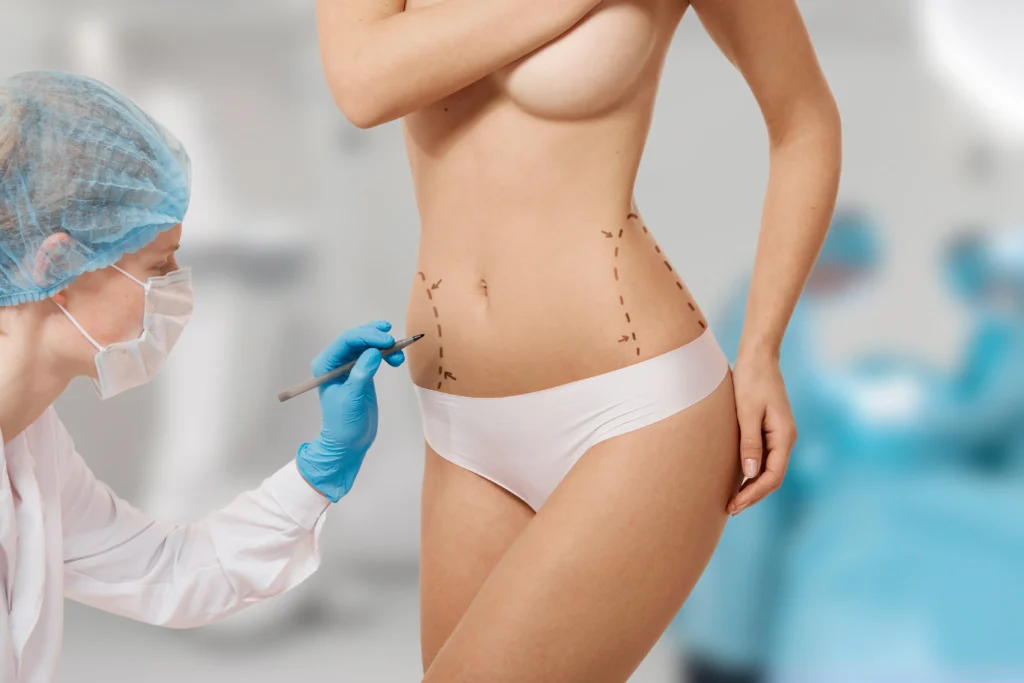
Modern surgical muscle repair—known medically as rectus abdominis plication—permanently restores the structural integrity of your abdominal wall during abdominoplasty. Through specialized Abdominoplasty techniques, your surgeon places a low horizontal incision tucked discreetly beneath the bikini line and gently lifts the overlying skin envelope to expose the abdominal fascia. Using heavy-duty, permanent internal sutures placed in precise multi-layered rows from the ribcage down to the pubic bone, the specialist draws the separated rectus muscles firmly back together along the midline. This structural tightening creates an immediate internal corset effect that narrows the waistline, flattens anterior bulging, and restores genuine mechanical leverage for your core muscles. Combining body contouring procedures along the lateral flanks further refines waist contours for balanced, athletic harmony.
What Functional and Aesthetic Improvements Does Muscle Repair Deliver?
Restoring midline abdominal wall continuity provides transformative physical benefits that extend far beyond surface appearance:
Permanent Flattening of the Post-Pregnancy Pooch: Eliminates the stubborn outward belly protrusion that persists even in slender, physically fit mothers.
Improved Core Stability and Posture: Reconnects the anterior abdominal wall so core muscles fire efficiently to support upright spinal alignment.
Relief From Chronic Lower Back Discomfort: Reduces compensatory strain on lower lumbar muscles by restoring balanced front-to-back torso support.
Narrowed, Defined Waistline Taper: Draws loose lateral fascia inward, creating a sleeker, naturally contoured midsection without external compression.
How Do Physical Therapy and Surgical Muscle Repair Compare?
Evaluating targeted post-partum core exercises against surgical rectus plication clarifies when non-surgical rehab suffices and when surgery is required.
| Evaluation Criteria | Post-Partum Core Physical Therapy | Surgical Muscle Repair (Abdominoplasty) |
| Mechanism of Action | Strengthens deep transverse abdominis muscles around the midline gap | Physically sutures separated rectus muscles back together permanently |
| Effect on Widened Fascia | Cannot shrink severely stretched or thinned linea alba connective tissue | Permanently tightens and reinforces stretched midline fascia |
| Best Suitability | Mild separations (under 2 finger-widths) within the first year post-partum | Moderate-to-severe separations paired with loose post-pregnancy skin |
| Aesthetic & Functional Result | Improves deep core endurance without removing excess skin folds | Restores a flat stomach, strong core mechanics, and smooth skin simultaneously |
What Determines Candidacy for Post-Pregnancy Muscle Repair?
The most enduring diastasis recti repair outcomes occur in mothers who have completed their families and maintained a stable body weight for at least six months. Future pregnancies will re-stretch tightened internal sutures and thinned midline fascia, so waiting until family planning is finished protects your surgical results. Ideal candidates exhibit noticeable midline doming or bulging when sitting up, experience persistent lower-belly laxity despite regular exercise, and enjoy sound general health. Abstaining from nicotine products for several weeks before and after surgery is vital to protect healthy micro-circulation and support strong fascial healing. During your pre-operative evaluation, a board-certified plastic surgeon measures the exact width of your muscle separation and assesses skin elasticity to design your individualized repair plan.When these elements come together, patients are better positioned to achieve results they feel comfortable with over time. Glamorous Aesthetic Clinic is committed to providing that level of personalized care, and every recommendation is based on careful assessment of the individual. If you are considering treatment, begin with a professional consultation and choose a provider who values safety, clarity, and realistic expectations.
What Should You Expect During Recovery After Abdominal Muscle Repair?
Recovering from surgical diastasis recti repair follows a structured, protective timeline designed to allow internal fascial sutures to heal strongly without strain. Immediately following your procedure, your clinical team fits you with a supportive medical compression binder that stabilizes tightened core muscles, minimizes swelling, and enhances comfort. Walking slightly bent forward during the first few days relieves tension along both the internal muscle repair and the low bikini-line incision, while short indoor walks encourage healthy circulation. Most mothers comfortably return to light desk work within ten to fourteen days while strictly avoiding heavy lifting—including toddlers over ten pounds—and direct core exercises for six to eight weeks. Over the following three to six months, residual swelling resolves completely, revealing a flat, strong, and permanently supported midsection.
FAQs
Can cosmetic surgery permanently repair separated abdominal muscles after pregnancy?
Yes, during abdominoplasty, board-certified surgeons use permanent internal sutures to pull separated rectus abdominis muscles back together along the midline, restoring lasting core strength and a flat stomach.
How do I know if I have separated abdominal muscles (diastasis recti)?
Common signs include a persistent lower-belly pooch that resists diet and exercise, visible vertical doming along the center of your stomach when doing a crunch, and lower back fatigue.
Should I wait until I am finished having children before repairing diastasis recti?
Yes, surgeons strongly recommend waiting until your family is complete, as subsequent pregnancies will stretch the newly tightened internal muscle sutures again.
When can I resume abdominal exercises after surgical muscle repair?
Most patients must avoid heavy lifting and direct core exercises for six to eight weeks to allow the internal fascial sutures to heal securely before gradually rebuilding core strength.
Final Thoughts
Confirming that cosmetic surgery in Islamabad can repair separated abdominal muscles after pregnancy offers empowering relief for mothers seeking both functional core stability and a flat midsection. By permanently suturing stretched midline fascia and removing redundant post-pregnancy skin, experienced specialists restore natural comfort, posture, and confidence. Scheduling an individual consultation with a board-certified plastic surgeon ensures your repair plan matches your anatomy safely.
Contact us at our website: https://www.glamaesthetics.com.pk/