
 Written by
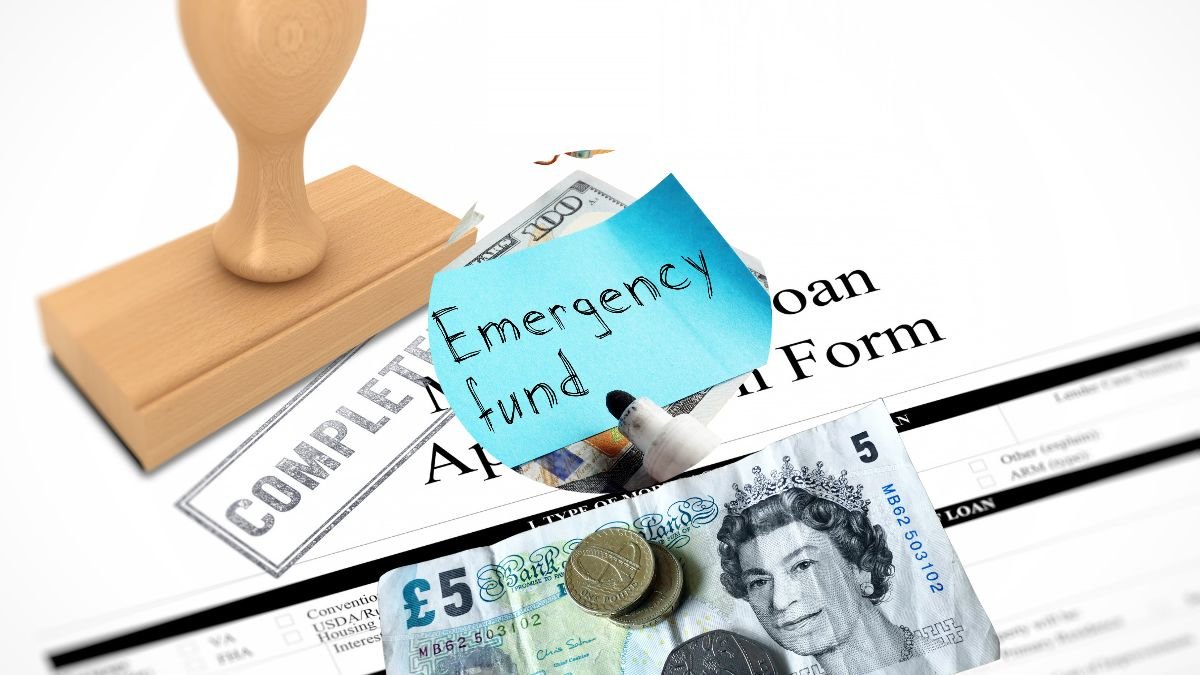
Emergency loans are not a specific type of loan. When you take out a loan to cover unexpected expenses, it is called an emergency loan. There are various types of emergency loans that you can consider taking out depending on your needs, but each of them has its own pros and cons.
What are emergency loans?
Emergency loans are unsecured personal loans. This means you do not have to put up an asset such as your home or car as security. They carry high interest rates, especially if you borrow money from payday lenders.
An emergency cash advance should be taken out only if you are completely certain about your repayment capacity. Lenders advise against borrowing if you already rely on debt, as they carry very high interest rates and are required to be paid back in one fell swoop. Managing them along with other debts can be seriously challenging. Even if it feels like an emergency, it is important that you do not make a rash decision. Consider your options carefully.
What are the types of emergency loans?
There are various types of loans that you can consider to meet unforeseen expenses:
Personal loans
Personal loans are aimed at funding large unexpected expenses. The minimum amount you will have to borrow is £1,000. In order to be eligible for these loans, you must have a good credit score and high income.
Credit union loans
Credit union loans are more affordable than personal loans from direct lenders. However, you will need to be a member of a local credit union. How much you can borrow depends on the credit union’s lending criteria and your financial circumstances.
They will also take your income and credit score into consideration. Some credit unions also base the amount you can borrow on how much you have saved with them.
Quick loans
If you need to borrow less than £1,000, personal loans cannot be the right choice. This is where quick loans come in. They will enable you to borrow money between £100 and £1,000. These loans are approved within 24 hours. You do not have to have a good credit score to apply for a quick loan. Since the loan amount is small, it is required to be paid back in one shot.
Loans for people on benefits
Loans for people on benefits are also aimed at funding small emergencies, but they have been designed for the unemployed. Those who are on benefits can use these loans when they come across an emergency. Your benefits will be regarded as your income. However, if you have a passive income source, this will improve your chances of getting approval.
It is worth noting that loans for people on benefits are small loans. You cannot borrow more than £700. You can get approval for these loans despite a poor credit score.
What are the advantages and drawbacks of emergency loans?
Here are the benefits and drawbacks of emergency loans:
Advantages | Drawbacks |
You can access money within 24 hours. | You will need a good credit score if you need a large amount of money. |
Lenders accept subprime borrowers as well. | A bad credit rating results in high interest rates. |
Interest rates remain fixed, and therefore you can easily budget around repayments. | There is a risk of falling into an ongoing cycle of debt if you fail to repay. |
They are an effective solution to fix temporary problems. | They cannot help build your credit score as they are discharged in one go. |
How much money can you borrow with an emergency loan?
While personal loans can enable you to borrow a large amount of money, lenders do not lend more than £2,000 to cover small emergency expenses. However, most of the time, lenders do not lend more than £1,000. Small emergency loans are discharged in one fell swoop, so lenders cannot take the risk by lending you a larger amount.
Of course, it will be challenging for you to repay the whole debt in full on the due date. The repayment period of these loans cannot be more than a month. If you use quick loans to cover small emergencies, the repayment length cannot be more than 14 days.
Emergency loans that you should avoid
Here are the emergency loans that you must avoid:
You will find a lot of emergency loan providers online, but do not forget that they charge high interest rates. Make sure that you borrow money from registered lenders. Unregistered lenders can be loan sharks. They can charge outrageously high interest rates. You should beware of these lenders. Instead, borrow money from an FCA-regulated lender.
Even if you need to take out a loan in an emergency, it’s probably best to avoid the following types of loans:
Payday loans
Payday loans are short-term high-cost loans that can enable you to borrow up to £1,000. Payday loans are paid back in full within a period of 14 days. It can be hard to pay off the dues in full. Even if you apply for these loans from a registered lender, you will have to pay 0.8% interest per day. If you fall behind on the payment, you will end up with a debt trap.
Logbook loans
Logbook loans are risky loans as they are secured against your car. Your lender takes ownership of your car until you have finished paying back the loan. If you fail to make payments, you can lose your car.
Doorstep loans
Some lenders provide doorstep services as well. Home credit loans are way more expensive than quick loans as they charge additional fees for providing doorstep services. The APR of these loans can go up to 1500%. You should avoid these loans as they can throw you into debt.
The bottom line
There are various types of emergency loans, but you should carefully consider your repayment capacity. Emergency loans carry high interest rates. Make sure that you will not struggle to keep up with payments.