
 Written by
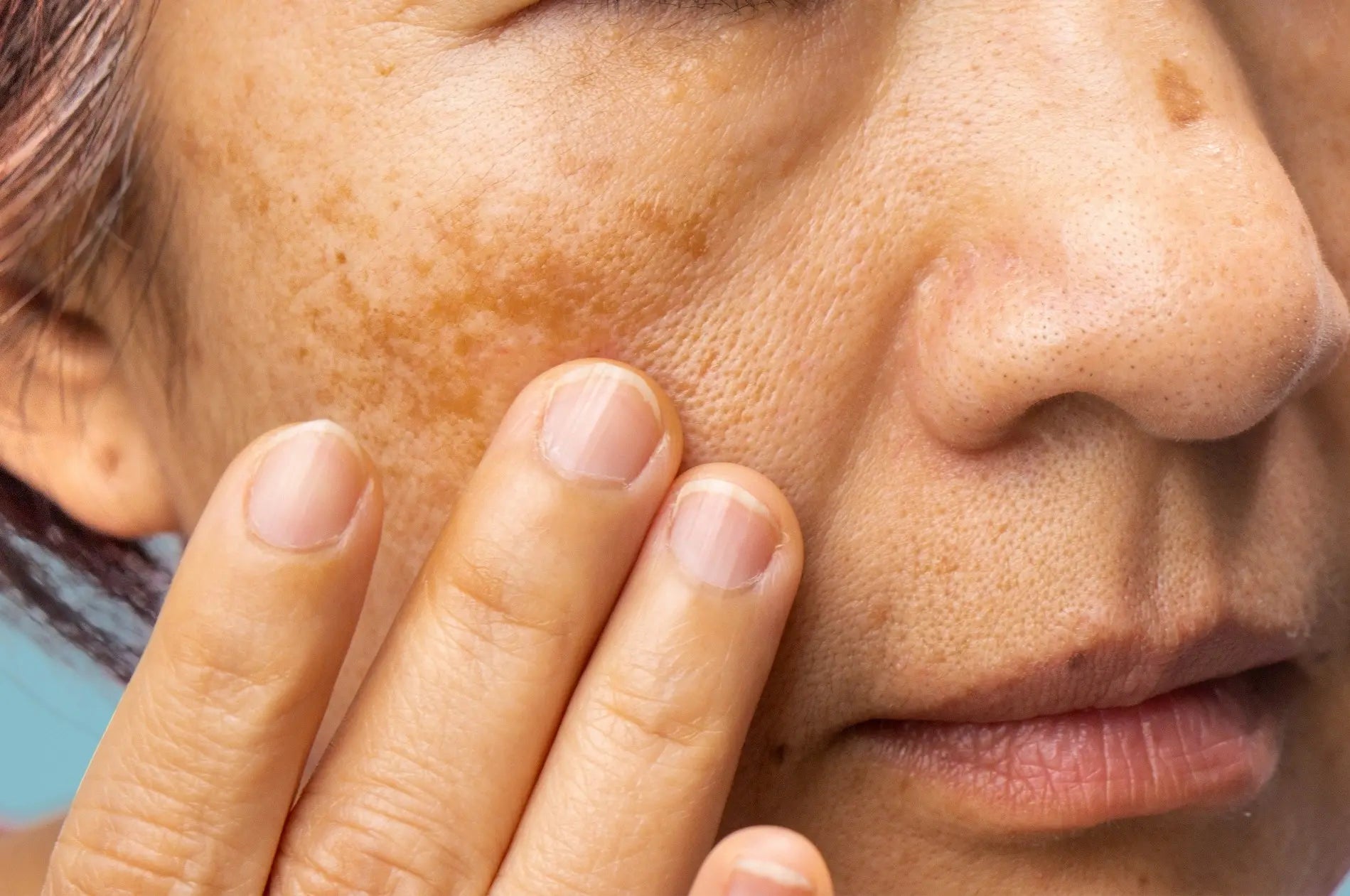
Melasma is a common skin condition that causes dark patches and uneven pigmentation, particularly on the cheeks, forehead, upper lip, and chin. Understanding the factors involved in treatment planning helps patients make informed skincare decisions. Melasma Treatment Cost in Dubai is a relevant consideration for individuals exploring pigmentation care, including those seeking information through Dynamic Clinic in Dubai.
Understanding the Initial Skin Evaluation
A melasma assessment usually begins with a detailed examination of the affected skin. The purpose is to understand the type, depth, and distribution of pigmentation before selecting an appropriate treatment approach.
During this evaluation, several aspects may be considered:
Pigmentation pattern: Whether dark patches appear on the cheeks, forehead, nose, or upper lip.
Skin type: Whether the skin is oily, dry, combination, or sensitive.
Pigmentation depth: Whether discoloration appears closer to the skin surface or involves deeper layers.
Skin condition: Whether inflammation, acne, irritation, or other concerns are also present.
These observations help establish realistic treatment expectations and guide further assessment.
Reviewing Medical and Skin History
A patient’s medical and skincare history can influence how melasma is managed. Pigmentation may be associated with hormonal changes, sun exposure, genetic factors, and certain medications.
An assessment may include questions about:
Previous pigmentation treatments and their outcomes.
Pregnancy-related or hormonal skin changes.
Current medications and skincare products.
Previous allergic reactions or skin sensitivity.
Sun exposure and daily sunscreen habits.
Any history of irritation following cosmetic procedures.
This information helps identify possible triggers and factors that could affect treatment suitability.
Identifying the Most Suitable Treatment Method
Not every case of melasma responds to the same treatment. The choice depends on pigmentation depth, skin sensitivity, severity, and previous treatment experiences.
A professional assessment may consider different approaches, including:
Topical treatments: Certain prescription creams and dermatologist-recommended skincare ingredients may help reduce excess pigmentation and support a more even skin tone.
Chemical peels: Carefully selected chemical exfoliation treatments may help improve surface pigmentation. Their suitability depends on skin sensitivity and the risk of post-inflammatory hyperpigmentation.
Laser-based procedures: Specific laser technologies may be considered for selected cases. However, treatment settings must be chosen carefully because excessive heat or irritation can sometimes worsen pigmentation.
Combination approaches: Some patients may benefit from a carefully planned combination of topical products, sun protection, and professional procedures.
The assessment should explain why a particular approach is being considered and whether alternative options are more appropriate.
Evaluating Treatment Complexity and Skin Response
The characteristics of melasma can affect the level of attention required during treatment planning. Extensive pigmentation, deeper discoloration, and sensitive skin may require a more cautious approach.
Important considerations include:
Affected skin area: Larger or multiple pigmentation patches may require broader treatment planning.
Pigmentation severity: More noticeable discoloration may need a gradual management strategy.
Skin sensitivity: Easily irritated skin may require gentler products and carefully selected procedures.
Previous treatment response: A history of unsuccessful treatments can influence future decisions.
Risk of recurrence: Melasma can return when contributing factors, particularly ultraviolet exposure, are not controlled.
Assessing these details helps establish a suitable treatment strategy without making unrealistic promises about results.
Understanding Follow-Up and Monitoring Requirements
Melasma management often requires ongoing observation because pigmentation can change over time. An assessment may include a follow-up plan to monitor skin response and identify any unwanted reactions.
Follow-up considerations can include:
Changes in pigmentation intensity and patch size.
Skin irritation, redness, or dryness.
Response to prescribed topical products.
Development of new dark patches.
The need to adjust treatment methods.
Regular monitoring is especially important when patients undergo procedures that may increase skin sensitivity.
Considering Sun Protection and Aftercare
Sun exposure is one of the major factors associated with melasma development and recurrence. Therefore, sun protection is an important part of any treatment assessment.
Patients may receive guidance on:
Using broad-spectrum sunscreen with SPF 30 or higher.
Reapplying sunscreen during outdoor activities.
Wearing wide-brimmed hats and protective clothing.
Limiting prolonged exposure to direct sunlight.
Avoiding harsh exfoliating products when the skin is irritated.
Following post-treatment skincare instructions.
Visible light can also contribute to pigmentation in some individuals, particularly those with darker skin tones. Tinted sunscreens containing iron oxides may therefore be recommended when appropriate.
Setting Realistic Treatment Expectations
Melasma is a chronic pigmentation condition, so complete and permanent clearance cannot always be guaranteed. Some individuals experience noticeable improvement, while others may require continued maintenance to manage recurring discoloration.
A thorough assessment should explain the expected treatment response, possible side effects, recovery considerations, and the importance of consistent skincare. Patients should also understand that improvement may occur gradually rather than immediately.
Conclusion
A melasma treatment assessment involves much more than examining dark patches. It considers skin type, pigmentation depth, medical history, treatment suitability, previous experiences, follow-up needs, and sun protection habits. Understanding these elements helps patients in Dubai make informed decisions about pigmentation management while supporting a safe, realistic, and individualized approach to healthier-looking skin.