
 Written by
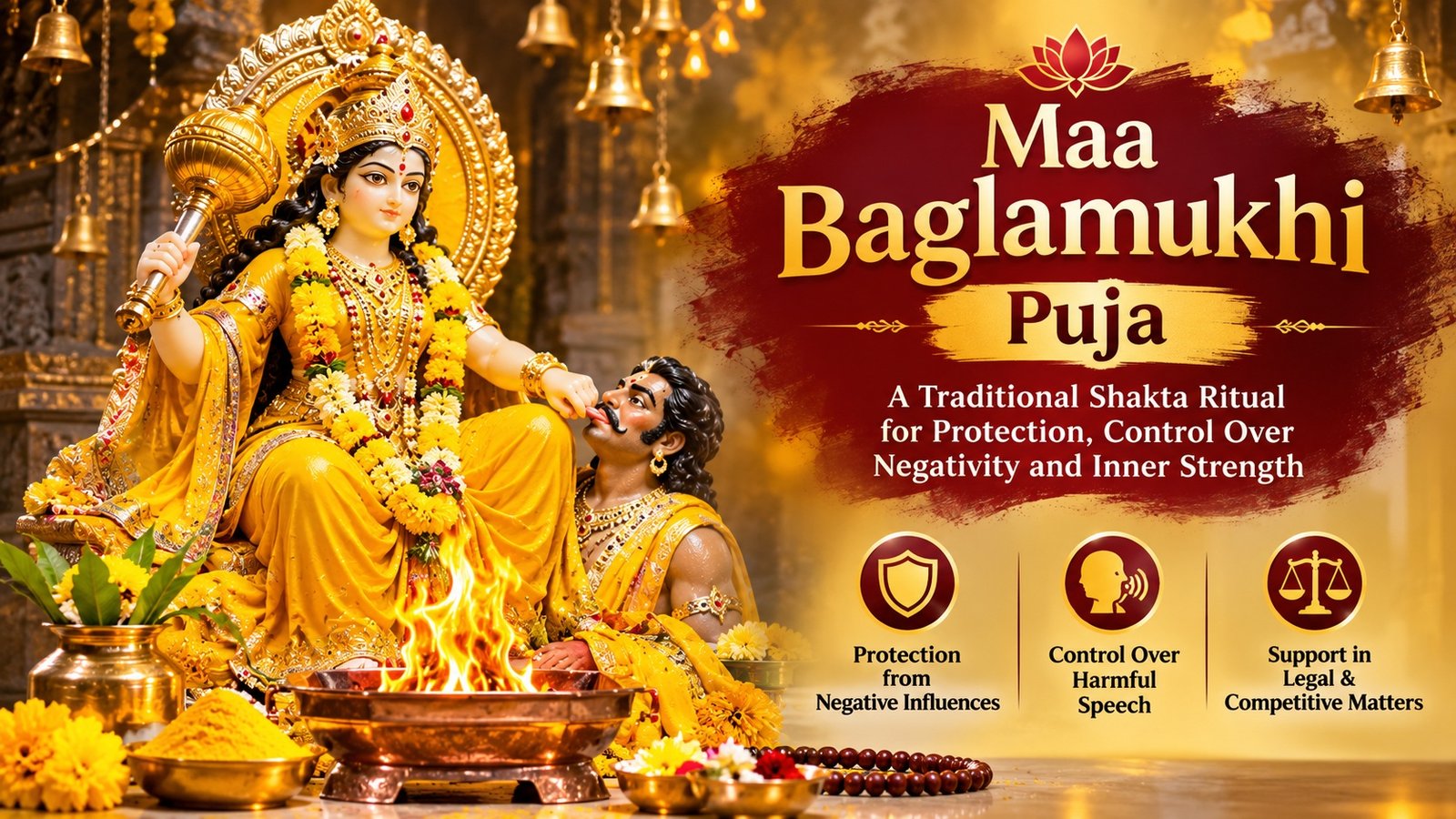
Traditional Maa Baglamukhi worship is connected with Shakta and Tantric traditions that preserve religious knowledge through scriptures, devotional practices, and teacher-disciple relationships. One important part of this process is Guru Parampara, which refers to the spiritual lineage through which religious teachings and practices are passed from one generation to another.
Baglamukhi guru parampara plays an important role in understanding how specialised worship methods, mantra knowledge, ritual instructions, and traditional interpretations are preserved. It also helps explain why certain practices may differ between temples, families, and spiritual lineages. Learning about this tradition provides a clearer understanding of the relationship between spiritual guidance, traditional knowledge, and religious teachings in Maa Baglamukhi worship.
What Is Guru Parampara in Hindu Religious Traditions?
Guru Parampara is the traditional system of transmitting spiritual knowledge from a teacher, known as a guru, to a student or disciple. The teachings may include religious philosophy, scriptural explanations, meditation methods, devotional practices, and specialised ritual instructions.
In Hindu traditions, a guru is not simply someone who provides information. A guru may also guide students in understanding religious principles and applying them responsibly in spiritual life.
Meaning of Spiritual Lineage
A spiritual lineage represents a continuing connection between teachers and students. Knowledge is transmitted through teaching, discussion, observation, and established practices.
In Shakta traditions, different lineages may preserve particular methods of worship and interpretations of sacred texts. Some practices are based on written scriptures, while others may include instructions preserved through oral teaching.
The existence of different lineages helps explain why religious practices are not always identical across communities.
Guru and Disciple Relationship
The relationship between a guru and disciple is traditionally based on learning, discipline, respect, and responsibility. The student receives guidance and gradually develops an understanding of the teachings.
In specialised Tantric traditions, this relationship can be particularly important because certain practices involve technical instructions that require careful explanation. The guru may clarify the meaning of mantras, explain ritual terminology, and help the disciple understand the religious context of a practice.
Why Guru Parampara Matters in Traditional Baglamukhi Worship
Maa Baglamukhi is one of the ten Mahavidyas and is traditionally associated with stambhana, a concept generally understood as restraining or stopping disruptive forces.
Her worship is connected with Shakta and Tantric literature, which contains mantras, devotional hymns, ritual descriptions, and symbolic explanations. Understanding these materials can be challenging without knowledge of their language and religious context.
Preserving Traditional Mantra Knowledge
Mantras are important elements of many Baglamukhi worship traditions. Their pronunciation, meaning, structure, and ritual context may require careful study.
A knowledgeable teacher can help a student understand Sanskrit sounds, sacred syllables, and the traditional explanations associated with a mantra. This guidance is especially relevant when a particular lineage follows specialised recitation methods.
However, mantra practices may differ between traditions. A method followed by one teacher should not automatically be treated as a universal requirement for every devotee.
Explaining Ritual Procedures
Traditional Baglamukhi worship may include mantra recitation, stotra reading, aarti, offerings, and havan. The arrangement and details of these activities can vary according to temple customs and religious lineages.
Guru Parampara helps preserve knowledge about the purpose and traditional sequence of specialised rituals. It also provides a way for students to ask questions when instructions are difficult to understand.
This helps maintain continuity while allowing each tradition to preserve its own established practices.
The Role of Guru Parampara in Preserving Shakta Knowledge
Shakta traditions include a wide range of religious texts, philosophical ideas, devotional practices, and forms of Goddess worship. The transmission of this knowledge depends on both written sources and traditional teaching.
Understanding Sacred Texts
Baglamukhi-related literature contains descriptions of the Goddess, her divine attributes, mantras, yantras, and ritual associations. Some passages use specialised Sanskrit vocabulary that may not be easy for beginners to understand.
Teachers and scholars can explain the language and context of these passages. They may also help students distinguish between the original wording of a text and later interpretations.
This is important because different religious works may present particular practices or explanations in different ways.
Preserving Oral Traditions
Not all religious knowledge is preserved in written form. Some teachings are transmitted through oral explanations, recitation, demonstrations, and direct instruction.
Oral transmission can preserve details about pronunciation, traditional observances, and the meaning attached to particular rituals. It also allows students to ask questions and receive explanations based on the experience of their teachers.
However, oral traditions may vary between communities. Their differences should be understood within their own historical and religious settings.
How Spiritual Lineages Influence Baglamukhi Worship Practices
Different spiritual lineages may follow different approaches to worshipping Maa Baglamukhi. These differences can relate to the selection of prayers, ritual arrangements, mantra practices, and interpretations of religious symbols.
Differences in Mantra and Stotra Practices
Some traditions may emphasise particular Baglamukhi mantras, while others may include devotional stotras or readings from related religious literature.
The choice of prayer can depend on the text followed, the purpose of worship, and the instructions preserved within a particular lineage.
A guru may explain the traditional context of a prayer and help students understand its meaning rather than encouraging them to follow unfamiliar practices without proper knowledge.
Differences in Havan and Ritual Observances
Baglamukhi havan is a specialised form of worship in which offerings are made into a sacred fire while prescribed prayers or mantras are recited.
The materials, sequence, and recitation methods may vary according to the ritual tradition. Guru Parampara can help preserve these instructions and explain their religious significance.
Devotees should understand that a procedure followed at one temple may not be identical to the method practised by another lineage.
Traditional Knowledge and the Responsibilities of a Guru
A guru’s role involves more than teaching ritual techniques. Traditional religious guidance also includes explaining values, discipline, and the responsible use of spiritual knowledge.
Teaching Discipline and Respect
Students are traditionally encouraged to approach religious learning with patience, sincerity, and respect. These qualities help create a meaningful learning environment.
In Baglamukhi worship, discipline may involve regular prayer, careful mantra recitation, respectful temple behaviour, and attention to the instructions of the chosen tradition.
The purpose of such guidance is to support understanding rather than encourage blind acceptance of every claim.
Encouraging Responsible Religious Learning
A responsible teacher should explain the source and context of religious instructions. Students should also be able to ask questions about unfamiliar practices and understand the difference between established teachings and personal interpretations.
Claims of guaranteed results or compulsory payments should not be accepted simply because someone presents themselves as a spiritual authority. Religious guidance should be approached thoughtfully, with attention to the teacher’s knowledge, conduct, and transparency.
How Devotees Can Learn About Baglamukhi Guru Parampara
People interested in understanding traditional Baglamukhi worship can explore Guru Parampara through several practical approaches.
- Study recognised religious texts: Read available Baglamukhi-related Sanskrit works with reliable translations and explanations.
- Understand the lineage: Learn about the teacher’s religious background and the tradition in which particular practices are followed.
- Ask about ritual sources: Find out whether instructions come from a recognised text, temple custom, or oral teaching.
- Compare explanations carefully: Different interpretations may exist, so consider their sources before accepting them as universal.
- Respect specialised practices: Seek qualified guidance before attempting rituals that require detailed Tantric instructions.
- Maintain personal understanding: Learn the meaning of prayers and religious observances instead of following them without reflection.
These steps help devotees explore traditional knowledge while respecting the diversity of Shakta worship.
Conclusion
Baglamukhi guru parampara plays an important role in preserving the spiritual knowledge, religious teachings, and specialised practices associated with Maa Baglamukhi worship. Through teacher-disciple relationships, different lineages transmit mantra knowledge, scriptural explanations, ritual methods, and traditional interpretations.
Understanding this spiritual lineage also explains why Baglamukhi worship practices may differ between communities and teachers. By studying religious texts, seeking responsible guidance, and respecting traditional sources, devotees can develop a clearer understanding of Maa Baglamukhi worship and the role of Guru Parampara in preserving its heritage.