
 Written by
 Every fire strategy submitted in the UAE ultimately has to satisfy the UAE fire and life safety code, but the document itself can feel dense to a project team encountering it for the first time. Knowing its structure and how it gets applied locally makes the difference between a fire strategy that sails through review and one that comes back with pages of comments.
For architects and developers working in the region, particularly those newer to the market, understanding how this code framework actually functions day to day is worth more than reading the document cover to cover.
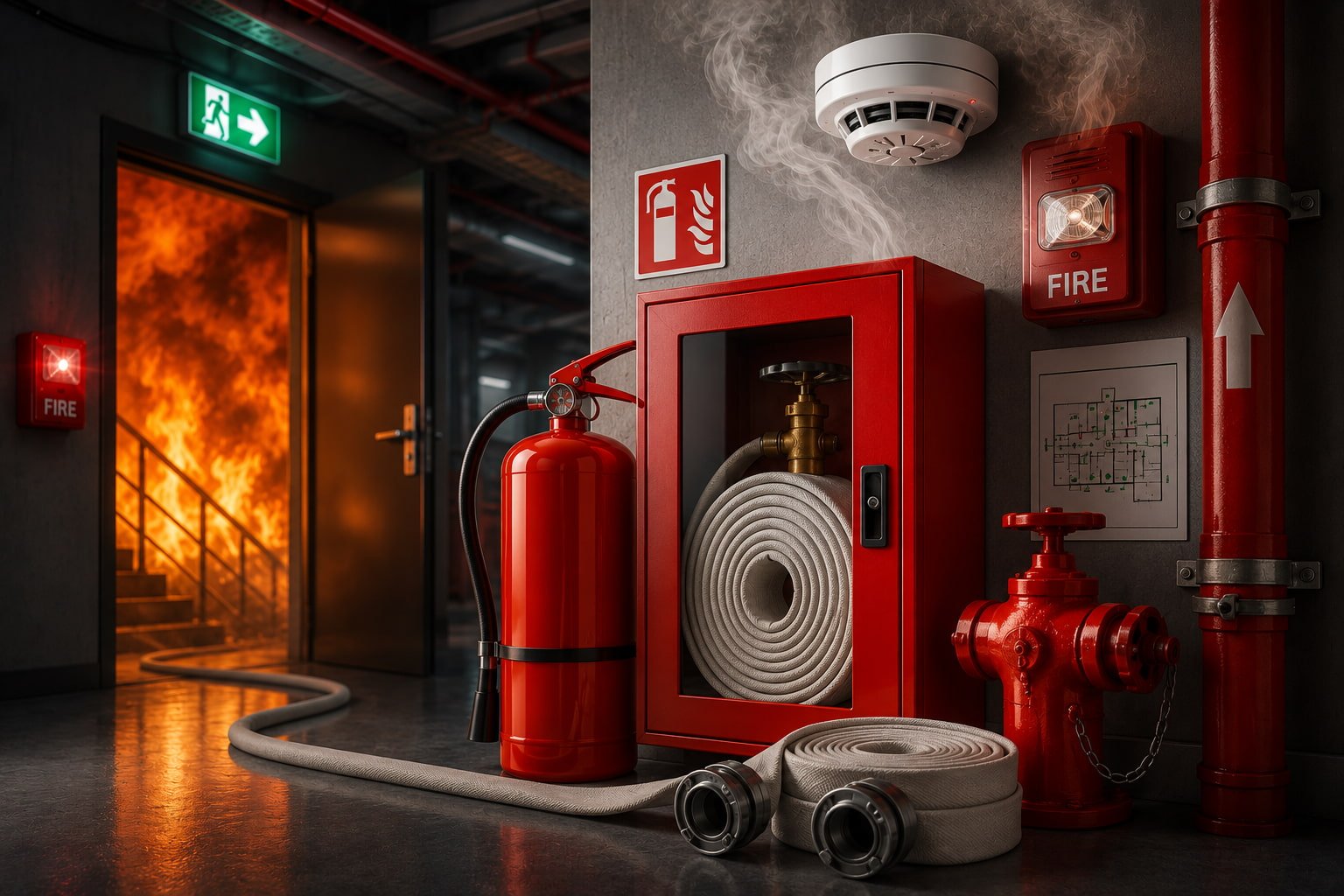
How the Code Is Structured
The UAE fire and life safety code sets out requirements across occupancy classification, means of egress, fire detection and alarm systems, fire suppression, and passive fire protection, broadly similar in scope to international frameworks like NFPA, but with local amendments and specific submission procedures layered on top.
Each emirate’s civil defence authority applies this code framework with its own procedural expectations, which is why a fire strategy that worked smoothly in one emirate can still need adjustment when applied to a project elsewhere in the country.
Key Areas Where Project Teams Get Tripped Up
- Occupancy classification assumptions that do not match how the building will actually be used once operational
- Egress width and travel distance calculations based on a generic occupant load rather than the specific design
- Passive fire protection detailing at service penetrations, often overlooked until a late-stage inspection
- Sprinkler and alarm system specifications that do not account for local approval requirements for specific components
Why Local Interpretation Matters
A code document read in isolation does not tell you how a specific civil defence authority actually applies it in practice. Fire safety consultants in UAE build this knowledge through repeated submissions and direct working relationships with reviewers, learning which areas draw the most scrutiny and which documentation formats move through review fastest.
This is not about finding shortcuts. It is about presenting a fire strategy in a way that clearly demonstrates compliance with the UAE fire and life safety code, using the format and level of detail a given authority actually expects to see.
Building a Fire Strategy Around the Code From Day One
Projects that treat the code as a late-stage compliance checklist tend to spend far more time in revision cycles than ones that build the fire strategy alongside architectural design from the start.
- Confirm occupancy classification early, since it drives nearly every downstream requirement
- Coordinate egress design with the architectural floor plan before layouts are finalized
- Involve a fire safety consultant during schematic design to flag code conflicts while they are still cheap to resolve
- Document the reasoning behind design decisions clearly, since reviewers respond well to a fire strategy that explains its logic rather than just stating conclusions
Where Vortex Fire Fits In
Vortex Fire is one of the fire safety consultants in UAE that centers its work on translating the fire and life safety code into a practical fire strategy for each specific project, coordinating directly with the relevant civil defence authority rather than treating submission as a one-way document drop.
That local, working knowledge of how the code gets applied in practice is often the difference between a straightforward approval and months of back-and-forth.
Conclusion
The UAE fire and life safety code is comprehensive, but understanding its structure is only half the work. Knowing how a specific civil defence authority applies it in practice is what actually determines whether a project moves through approval smoothly. Fire safety consultants in UAE with direct submission experience bring that practical knowledge to a project in a way a code document alone cannot.
If your project team is unfamiliar with the local application of the code, bringing in that expertise early is one of the most reliable ways to avoid a lengthy review process.
Frequently Asked Questions
1. Is the UAE fire and life safety code the same in every emirate?
The underlying framework is broadly consistent, but each emirate’s civil defence authority applies its own procedural expectations and, in some cases, specific technical requirements.
2. How does the UAE code compare to international standards like NFPA?
It shares similar scope and structure with frameworks like NFPA, covering egress, detection, suppression, and passive protection, but includes local amendments and submission procedures specific to the UAE.
3. When should a fire strategy be developed relative to architectural design?
As early as schematic design, fire and egress requirements can shape the floor plan rather than being retrofitted after the layout is finalized.
4. Why do fire strategy submissions sometimes get returned with comments?
Common reasons include occupancy classification mismatches, incomplete passive fire protection detailing, and documentation that does not match the specific format or depth a reviewing authority expects.