
 Written by
 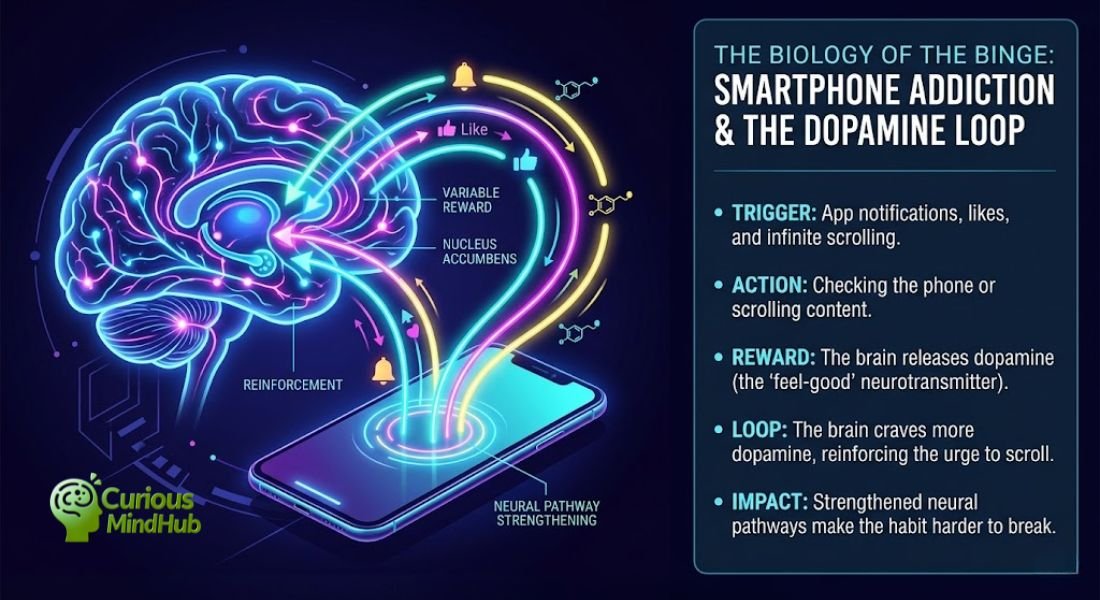 Have you ever opened your phone just to check a quick notification, only to realize forty-five minutes have slipped away while you scanned random videos? You are definitely not alone. In our modern hyper-connected landscape, learning how to reduce social media screen time has become a vital skill for anyone looking to protect their attention and mental clarity. This constant urge to check our devices isn’t a simple lack of willpower; it is a predictable reaction to platforms carefully designed to hold our attention for as long as possible.
To truly change these habits, we have to look past the screen and understand the underlying mechanics of modern technology usage. If you want to dive deeper into the relationship between digital interfaces and cognitive patterns, learning how to manage your reduce social media screen time is a wonderful first step toward cultivating a more balanced, intentional digital lifestyle.
The Invisible Engine: How Dopamine Loops Affect the Brain
To build healthier digital boundaries, it helps to look at what happens behind the screen. When we look at how dopamine loops affect the brain, we find a powerful biological system originally built to help us survive. Dopamine is a chemical messenger in the brain associated with anticipation, motivation, and reward. It doesn’t actually deliver the feeling of satisfaction; instead, it encourages us to repeat actions that trigger a small spark of excitement.
┌──────────────────────────────────────┐
│  TRIGGER: Boredom or Notification    │
└──────────────────┬───────────────────┘
                   │
                   ▼
┌──────────────────────────────────────┐
│  ACTION: Open App & Start Scrolling  │
└──────────────────┬───────────────────┘
                   │
                   ▼
┌──────────────────────────────────────┐
│  VARIABLE REWARD: A Great Post/Meme  │
└──────────────────┬───────────────────┘
                   │
                   ▼
┌──────────────────────────────────────┐
│  DOPAMINE SPIKE: Repeat the Loop      │
└──────────────────────────────────────┘
Modern apps are built directly around the neurobiology of infinite scrolling. By removing natural stopping points—like the end of a page or a chapter—platforms ensure that your brain is constantly anticipating the next piece of content. This continuous pull creates a powerful feedback loop that makes it incredibly easy to lose track of time.
The Power of the Variable Reward Schedule in Social Media
The reason a scrolling addiction feels so difficult to disrupt comes down to a concept called a variable reward schedule in social media. This is the exact same mechanism that makes slot machines so compelling.
If every single post you looked at was boring, you would close the app immediately. If every single post was amazing, your brain would eventually normalize the excitement. But because the content is unpredictable—meaning you have to scroll past three boring posts to find one hilarious meme or interesting update—your brain stays locked in a state of continuous anticipation. This erratic delivery keeps the dopamine flowing, making the habit highly resilient against casual adjustments.
Recognizing a Scrolling Addiction
Many individuals casually refer to their phone usage as a social media addiction. While not a formal medical diagnosis, a compulsive pattern of device use can still create noticeable friction in your daily life.
It is helpful to treat these patterns through the lens of the neuroscience of habit. Signs that your digital habits might be overriding your daily intentions include:
Automatic Reaching: Picking up your phone and opening an app without even consciously realizing you decided to do it.
Phantom Vibrations: Feeling like your phone buzzed in your pocket, only to check and find no new alerts.
Defensive Scrolling: Turning to your phone the exact second a task becomes slightly difficult, boring, or requires deep thought.
Time Displaced: Intending to check an app for two minutes and accidentally spending an hour watching short-form videos.
Practical Ways to Reduce Social Media Screen Time
Learning how to break a scrolling addiction doesn’t require giving up your smartphone entirely. Instead, it is about shifting your approach toward digital minimalism for mental health—structuring your environment so that your tools serve your goals, rather than the other way around.
1. Disrupt the Automatic Habit Loop
Because our digital habits are heavily automated, you need to introduce artificial friction. Try moving your social media apps off your home screen and placing them deep inside a secondary folder. Better yet, log out of your profiles after each session. The simple act of having to manually type in your password gives your prefrontal cortex a few seconds to kick in and ask, “Do I actually want to open this right now?”
2. Swap the Cue
Our brains frequently look for a digital distraction when we hit a wall in our work or feel a wave of boredom. Keep an analog alternative nearby. Placing a physical book, a sketchbook, or a notebook on your desk gives your hands and mind something tangible to interact with during a short mental break.
3. Implement Fixed Windows
Explore intentional ways to reduce social media screen time by setting clear boundaries. Designate specific times of the day for browsing, such as thirty minutes after lunch or an hour in the evening. Outside of those windows, keep the apps closed or use built-in device timers to lock them.
Rewiring Your Brain for Better Focus
Stepping away from high-stimulation feeds allows your focus to naturally settle. This process of rewiring your brain for better focus requires patience. When you first decrease your daily screen time, your mind will likely experience a brief wave of restlessness or mild boredom.
Instead of treating this discomfort as a sign to log back in, view it as a healthy recalibration. Your brain is simply adjusting to a calmer, more sustainable baseline of information delivery. Over time, this space allows your concentration to deepen, making it far easier to read, work on complex projects, or enjoy face-to-face conversations without feeling a constant pull toward your pocket.
An Intentional Note on Digital Habits
Practicing digital boundaries, utilizing app timers, and adopting mindful screen habits are excellent lifestyle choices to encourage daily productivity, focus, and a balanced lifestyle. These habits are intended to support general well-being and are not designed to diagnose, treat, or manage any underlying psychological or medical conditions.
Conclusion
Taking back ownership of your daily attention is one of the most rewarding shifts you can make in our digital world. Reducing the noise of endless feeds isn’t about missing out; it is about choosing to invest your time in real-world experiences, deeper relationships, and meaningful projects. By bringing a few balanced habits of digital minimalism into your routine, you give your mind the necessary quiet space to rest and grow naturally. To discover more practical guides, tools, and community insights on navigating our modern digital landscape mindfully, explore the foundational resources available at Curious Mind Hub.
Frequently Asked Questions
Why does infinite scrolling feel so difficult to stop?
Infinite scrolling leverages our natural visual cues. In traditional media, page breaks or chapters create natural pauses that prompt us to decide if we want to continue. Infinite feeds remove these stopping points entirely, keeping the eyes moving and the brain anticipating the next piece of information without interruption.
How do variable rewards impact our daily routines?
Because variable rewards create a high sense of anticipation, they quickly form deep habits. When our brains learn that an app might contain a fast, interesting update at any given moment, we develop the urge to check it continuously throughout the day, distracting us from our primary goals.
Will reducing my screen time immediately improve my focus?
While your brain will appreciate the break from rapid content, building up a deep attention span takes steady practice. Think of it like a muscle: the more you practice sitting through a task without checking a screen, the stronger and more resilient your focus becomes over time.
What are some simple ways to make a smartphone less appealing?
A popular and highly effective tip is to switch your phone’s display settings to grayscale. Removing the bright, vibrant colors from app icons and feeds immediately reduces the visual novelty, making the interface far less enticing to your brain.