
 Written by
 A torn or stretched earlobe can be more than a small cosmetic concern. When an earring pulls through the lobe or gradually enlarges the piercing, the result may be a visible gap, split, or elongated opening. Fortunately, earlobe repair can often restore the shape and continuity of the tissue. Torn earlobes can happen because of heavy earrings, accidental pulling, trauma, or repeated stretching. In some cases, the opening becomes so large that ordinary earrings no longer sit properly. A completely torn lobe may also leave two separated edges of tissue that cannot reconnect on their own. Earlobe Correction Surgery in Dubai is a focused procedure designed to correct damage, reshape the lobe, and create a more balanced appearance.
Earlobe correction addresses these structural changes by carefully removing damaged tissue and bringing healthy edges together. The exact technique depends on whether the lobe is partially torn, completely split, stretched, or irregularly shaped. A qualified surgeon evaluates the condition of the tissue before deciding how much reshaping is required.
For people considering treatment, understanding what the procedure can and cannot correct is important. The following guide explains how torn lobe gaps are treated, what the consultation involves, and what to consider when selecting a suitable clinic.
Can Earlobe Correction Surgery Fix a Torn Lobe Gap?
In many cases, yes. A torn or split earlobe can usually be surgically repaired by removing a small amount of scarred or damaged tissue and carefully closing the remaining edges. The objective is to create a stable, natural-looking lobe rather than simply closing the visible opening.
The repair technique depends on the size and shape of the tear. A small partial split may require relatively limited correction, while a fully separated earlobe can require more detailed reconstruction. Stretched piercing holes can also be reshaped when excess tissue or distortion is present.
The surgeon will assess the thickness of the lobe, the location of the tear, the condition of any scar tissue, and the patient’s aesthetic expectations. These factors help determine the most appropriate approach.
What Happens During Earlobe Repair?
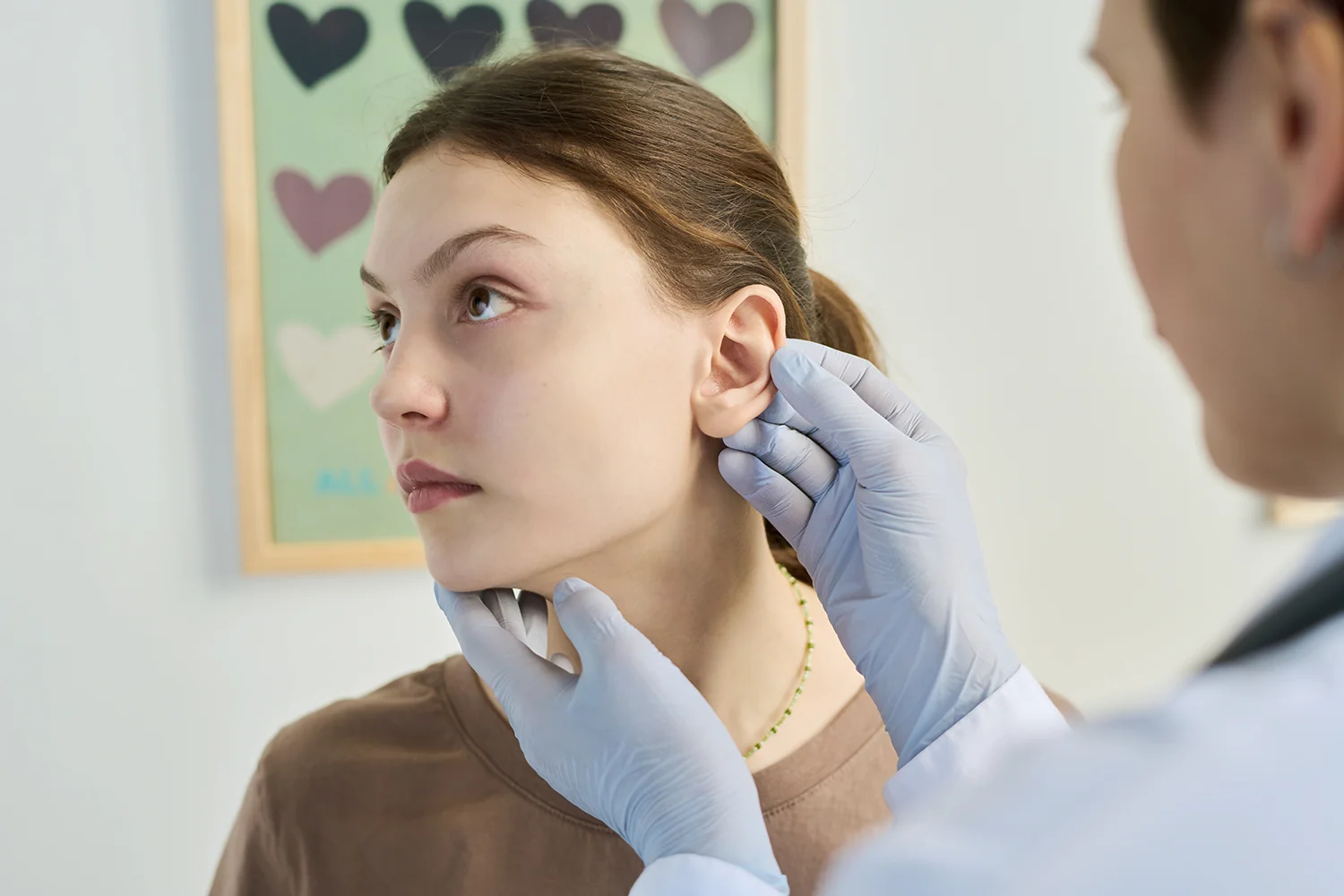
The procedure generally begins with a consultation and examination of the affected earlobe. Local anesthesia is commonly used for minor earlobe procedures, helping keep the area comfortable during treatment.
Once the area is prepared, the surgeon addresses the damaged edges. Scarred or irregular tissue may be removed so that healthier tissue can be accurately aligned. The edges are then brought together with carefully placed sutures.
Attention to the contour of the lobe is important. Simply closing a tear is not always enough to achieve a natural appearance. The surgeon may need to restore the lower border and overall shape of the earlobe while maintaining symmetry with the opposite side.
The procedure is generally focused and does not require major surgery. However, the complexity varies according to the extent of the damage.
What Types of Earlobe Problems Can Be Corrected?
Earlobe correction can address several forms of damage. These include partially torn lobes, completely split lobes, enlarged piercing holes, stretched earlobes, and irregular or asymmetric contours.
A person with a small tear may need only limited tissue repair. Someone with a longstanding split may require more reshaping because scar tissue and changes in the lobe’s structure can affect the final result.
The procedure can also be considered when an earlobe has become elongated after years of wearing heavy earrings. In such cases, the goal is not simply to close the piercing but to improve the overall contour.
Dynamic Life Clinic
Dynamic Life Clinic can be considered by patients exploring options for correcting damaged or aesthetically uneven earlobes. During an assessment, the condition of the lobe can be examined to determine whether surgical correction is appropriate.
For patients specifically concerned about a torn lobe gap, the consultation should focus on the extent of the separation, the amount of existing scar tissue, and the desired shape after repair. Earlobe Correction Surgery may involve different techniques depending on these individual factors.
A useful consultation should also allow the patient to discuss expectations and understand what can realistically be achieved through reconstruction.
Tajmeels Clinic
Tajmeels Clinic may also be considered when researching cosmetic correction for damaged earlobes. The appropriate treatment depends on the individual condition of the tissue rather than simply the size of the visible tear.
A thorough assessment can help establish whether the lobe needs straightforward closure or additional reshaping. This distinction matters because a stretched or torn earlobe can have altered tissue architecture, particularly when the injury has been present for a long time.
Patients should discuss their desired cosmetic outcome during the consultation and ask how the proposed technique addresses both the gap and the overall contour of the lobe.
Enfield Royal Clinic
Enfield Royal Clinic is another option for people seeking assessment for earlobe concerns. A consultation can help determine whether the problem is a stretched piercing, partial tear, complete split, or a combination of tissue distortion and scarring.
For someone considering Earlobe Correction Surgery, the assessment should go beyond simply asking whether the gap can be closed. The surgeon should evaluate the natural contour of the lobe and explain how the repair can be planned to support a balanced appearance.
Patients can also use the consultation to discuss their concerns about symmetry, scarring, and the possibility of returning to earrings after the tissue has healed.
How to Choose the Right Clinic for Earlobe Correction Surgery
Choosing a clinic should involve more than comparing photographs or promotional claims. Earlobe repair is a small procedure, but precision matters because the ear is highly visible and even subtle differences in contour can affect the final appearance.
Experience and Qualifications
Look for appropriately qualified medical professionals with experience in cosmetic or reconstructive procedures involving delicate facial and ear tissues. Ask about their experience with torn, stretched, and previously repaired earlobes.
Technology and Techniques
Earlobe repair is primarily a surgical technique rather than a technology-dependent treatment. The important consideration is whether the clinician can select an appropriate repair method for the specific pattern of damage.
Safety Standards
A suitable clinical environment should follow appropriate infection-control and surgical safety standards. The provider should also explain potential complications and what symptoms would require medical attention.
Consultation Process
A proper consultation should include examination of the earlobe, discussion of previous trauma or procedures, assessment of the desired result, and an explanation of the proposed repair.
Patient Experience
Clear communication is an important part of cosmetic treatment. Patients should feel comfortable asking questions about the procedure, healing process, scarring, and future ear piercing.
Expected Results
Results vary according to the degree of damage, tissue quality, surgical technique, and individual healing. No responsible provider should guarantee an identical result for every patient.
Frequently Asked Questions
Can a completely torn earlobe be repaired?
A completely torn earlobe can often be surgically reconstructed. The surgeon usually brings the separated tissue edges together after preparing the damaged area. The exact approach depends on the size and condition of the tear.
Will the repair leave a scar?
Any surgical incision can produce a scar. With earlobe repair, the scar is generally positioned within the area being corrected, but its final appearance varies between individuals.
Can a stretched piercing hole be corrected?
Yes, enlarged or distorted piercing openings can often be addressed as part of earlobe repair. The surgeon may reshape the tissue rather than simply closing the existing hole.
Can earrings be worn again after repair?
Earrings may be possible after adequate healing, but the timing should be determined by the treating surgeon. Re-piercing too soon can interfere with healing.
Is every torn earlobe suitable for the same procedure?
No. Earlobe injuries differ in size, depth, tissue quality, and scarring. A personal examination is necessary to determine the most appropriate repair method.
Conclusion
A torn earlobe gap can often be corrected with carefully planned surgical repair. Whether the problem involves a partial tear, complete split, stretched piercing, or an altered contour, treatment is tailored to the condition of the tissue and the patient’s desired appearance.
Earlobe Correction Surgery can restore continuity and reshape a damaged lobe, but the final result depends on factors such as tissue quality, the extent of the injury, surgical technique, and individual healing. A consultation with a qualified practitioner is therefore the best way to determine whether repair is appropriate and what approach may be suitable.
The article brief specifies the primary keyword, required clinics, non-ranking clinic presentation, keyword placement, and the requested review-guide structure.