

Convert Logo to VIP Embroidery File for Clean and Professional Stitching
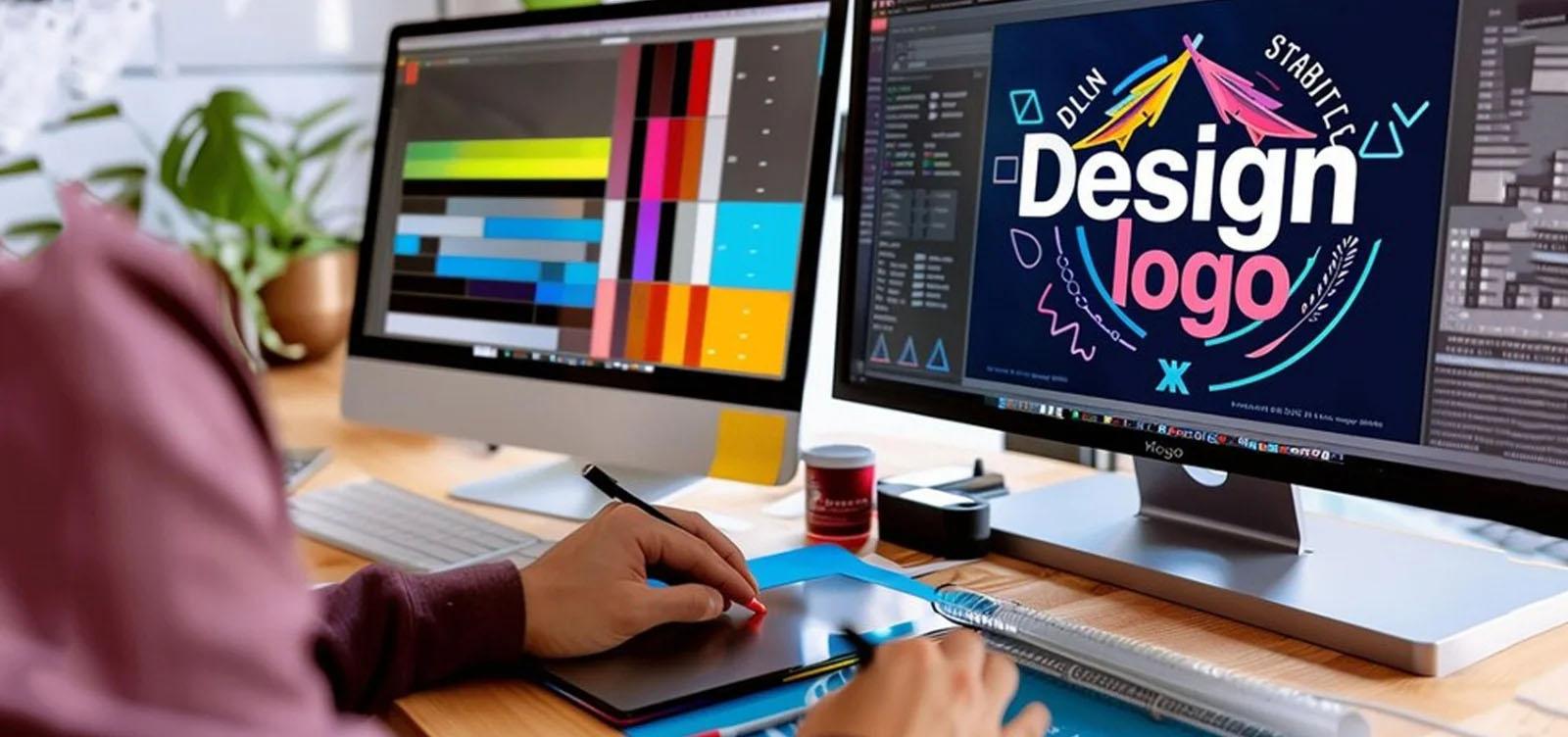
You have a logo that represents your brand. It looks sharp on screen, crisp in print, and perfect on paper. But embroidery is different. Thread behaves nothing like ink. Fabric moves nothing like paper. To get that logo from your computer onto a garment with clean edges and professional results, you need to bridge the gap between art and stitches. That means learning how to Convert Logo to VIP Embroidery File the right way.
VIP files are the native language of older Pfaff and Husqvarna Viking embroidery machines . These machines built reputations for precision and reliability, but they cannot read JPEGs or PNGs. They need stitch data, a detailed map telling them exactly where every needle penetration goes, what direction the stitches take, and how dense the coverage should be . When you get this conversion right, your embroidery looks flawless. When you get it wrong, you get thread breaks, puckered fabric, and wasted garments.
Let me walk you through everything you need to know to convert your logo to VIP format successfully.
Understanding the VIP Embroidery File Format
Before we dive into conversion steps, you need to understand what a VIP file actually is. VIP stands for a proprietary embroidery format developed by Husqvarna-Viking and used by Pfaff after their merger in the late 1990s . It is a design file that contains stitch commands, color change information, and basic embroidery data .
VIP is considered a legacy format today, replaced by newer formats like VP3 and VP4 that offer expanded metadata and editing capabilities . However, many older Pfaff Creative series machines, like the Creative 4.5, still use VIP natively . If you own one of these machines, understanding VIP is essential.
The format stores essential stitch information but offers limited editing flexibility compared to modern formats . It works perfectly for production on compatible machines, but if you need to make extensive edits later, you will want to convert to a more editable format like VP3 first .
What You Need Before Starting
Proper preparation prevents poor performance. Before you convert anything, gather these essentials.
Start with the best possible artwork. Vector files like AI, EPS, or SVG work best because they scale infinitely and contain clean paths . If you only have raster images like JPEGs or PNGs, aim for at least 300 DPI at your final stitch size. Low-resolution images force the digitizer to guess at details, and guesses lead to blurry embroidery.
Know your fabric. Different materials behave differently under the needle. A design digitized for stiff denim may pucker on stretchy knit. Your conversion settings should account for the specific fabric you plan to use .
Understand your machine's capabilities. Hoop size limits your maximum design dimensions. Thread type affects density requirements. Knowing these specifications helps you create files that run smoothly .
Method 1: Professional Digitizing Services
For most businesses and serious hobbyists, professional digitizing services deliver the best results with the least hassle . Here is how it works.
You upload your logo to a reputable service like Digitizing Buddy, specify that you need a VIP file for your Pfaff or Husqvarna Viking machine, and provide details about garment type and desired size . A professional digitizer then creates the file manually using industry-standard software like Wilcom Embroidery Studio .
Turnaround times typically run 12 to 24 hours, with rush options available for urgent orders . Prices start around $10 per design, and most services offer unlimited edits until you are satisfied .
This method is the gold standard for reliability. Professional digitizers understand stitch physics, fabric behavior, and machine capabilities. They add proper underlay, set correct densities, and optimize stitch paths for clean production . You get a file that runs smoothly without thread breaks or distortion.
For production shops with client deadlines, outsourcing digitizing makes financial sense. Your time is better spent on customers and production, not wrestling with software .
Method 2: Professional Digitizing Software
If you prefer complete control and have time to learn, professional software lets you create VIP files yourself. Programs like Wilcom Embroidery Studio, Hatch, and Embrilliance support VIP export .
The process involves importing your artwork, manually assigning stitch types to each element, setting densities and underlay, and exporting to VIP format . This gives you total control over every stitch parameter.
Software costs vary widely. SewArt offers digitizing capabilities for $75 and supports VIP output . Higher-end packages like Wilcom cost significantly more but offer advanced features.
The learning curve is steep. Professional digitizing is a craft that takes months to learn and years to master. But once you develop the skills, you control every aspect of your designs. You make adjustments instantly without waiting for outside help .
This option works best for shops with consistent digitizing needs and owners willing to invest time in skill development .
Method 3: Dedicated Conversion Software
Sometimes you already have an embroidery file in another format, like DST or PES, and simply need it converted to VIP. Dedicated conversion software handles this task.
Programs like Wilcom TrueSizer, SewWhat-Pro, and Embrilliance open existing embroidery files and export them to different formats, including VIP . The process takes seconds.
However, there is a critical caveat. Conversion software translates the format, not the quality. If your source file is poorly digitized with wrong densities or missing underlay, the VIP file will inherit those same problems . Conversion is not a substitute for proper digitizing.
Use this method only when you have professionally digitized source files from trusted sources. Always test stitch the resulting VIP file before production .
Method 4: Online Converters
You will find countless websites offering free instant conversion from images to embroidery files. Avoid them .
These tools typically only change file extensions without creating proper stitch data . They produce files that look correct on screen but cannot stitch properly. You get thread breaks, misaligned colors, and machine errors.
Additionally, uploading your client's logo to unknown servers risks your intellectual property . There is no quality control, no guarantee, and no support when things go wrong.
For commercial work, online converters are not worth the risk.
Step-by-Step Manual Digitizing for VIP
If you choose to digitize your own logos for VIP export, follow this workflow for professional results.
Step 1: Prepare Your Artwork
Clean up your logo before importing. Remove background elements, simplify complex gradients into solid colors, and ensure text is large enough to remain readable when stitched. For most fabrics, avoid text smaller than about a quarter inch tall.
Set your design to its final size based on your hoop limitations and intended placement. Left chest logos typically run 3 to 4 inches wide. Hat fronts run about 2.2 inches tall by 4.5 inches wide.
Step 2: Import into Digitizing Software
Open your professional embroidery software and import your prepared artwork. Position it correctly within your hoop boundaries.
Step 3: Assign Stitch Types Manually
Do not rely on auto-digitizing. Manual control produces professional results .
Use satin stitches for borders, text, and narrow columns. Satin creates smooth, shiny edges and works well for elements up to about 12 millimeters wide.
Use fill stitches, also called tatami stitches, for large solid areas. These cover space evenly and add texture.
Use running stitches for fine lines, underlay, and subtle details.
Step 4: Adjust Stitch Density
Set density based on your fabric. Too dense causes puckering and thread breaks. Too light leaves gaps where fabric shows through. For most applications, aim for density settings that balance coverage with flexibility .
Step 5: Add Underlay
Underlay is the invisible first layer of stitches that stabilizes fabric and prevents shifting . Different fabrics need different underlay. Stretchy materials need more underlay. Stable fabrics need less.
Never skip underlay. It makes the difference between professional results and amateur work.
Step 6: Set Pull Compensation
Thread tension pulls fabric together slightly as you stitch. Without compensation, designs stitch out narrower than intended. Add pull compensation in your software to widen the design slightly, counteracting this effect.
Step 7: Add Trims and Tie-ins
Proper trims and tie-ins control loose threads between design sections. Adding them correctly reduces thread breaks and ensures smooth machine operation .
Step 8: Preview and Simulate
Use your software's stitch simulator to watch the design sew in sequence . Look for unnecessary jumps, inefficient pathing, or density issues. Fix any problems before exporting.
Step 9: Export as VIP
When the design looks perfect, export it as a VIP file. Save your working file in your software's native format first. This master file preserves all your layers and settings for future edits .
Step 10: Test Stitch
Never run production without testing . Hoop a scrap of your actual garment fabric with your standard stabilizer. Run the VIP file. Inspect the results carefully.
If anything looks wrong, go back to your master file, make adjustments, export a new VIP, and test again. Repeat until the sample looks perfect .
Common Mistakes to Avoid
Even experienced digitizers make errors. Knowing what to watch for saves time and materials.
Converting images without proper digitizing tops the list of mistakes. Changing a JPEG extension to .VIP does not create stitch data. You need actual digitizing software to generate proper instructions .
Relying solely on auto-digitizing produces mediocre results. Auto-digitizing works as a rough draft at best. Manual refinement makes the difference between acceptable and excellent .
Ignoring stitch density causes serious problems. Too dense puckers fabric and breaks threads. Too light leaves visible gaps. Always adjust density for your specific fabric .
Skipping the test stitch ranks as the costliest error. One test sew-out catches issues before they ruin hundreds of pieces .
Using free online converters for commercial work risks both quality and security. Avoid them entirely .
VIP vs. Newer Formats
VIP served Pfaff and Husqvarna Viking users well for years, but technology moves forward. VP3 and VP4 now offer significant advantages .
VP3 stores detailed metadata including thread colors, stitch density, underlay settings, and color sequence information . It supports advanced editing and works with modern machines like the Creative 2124 and 2144.
VP4 is the newest format, designed for top-tier models like the Icon series . It includes additional editing capabilities and full compatibility with modern software ecosystems.
If you own an older machine that only reads VIP, that format remains perfectly functional. But for new designs intended for long-term use, consider creating VP3 versions alongside VIP. This future-proofs your work for when you eventually upgrade equipment .
Software Options for VIP
Several software programs support VIP creation and conversion.
Wilcom Embroidery Studio stands as the industry standard for professional digitizing. It offers complete control and exports to VIP and many other formats .
Hatch Embroidery provides powerful digitizing tools at a lower price point, with VIP export capabilities .
Embrilliance offers user-friendly software for hobbyists and small shops, supporting VIP among other formats .
SewArt provides affordable digitizing for $75 with VIP output support .
PREMIER+ 2 software, designed for Pfaff machines, opens and edits VIP files natively .
Choose software based on your budget, skill level, and production volume.
When to Outsource vs. DIY
Deciding whether to convert logos yourself or hire professionals depends on your situation.
If you are a hobbyist making occasional projects and enjoy learning new skills, investing time in software like Embrilliance or SewArt can be rewarding . You gain understanding and control.
If you run a business with client deadlines and quality expectations, outsourcing makes more sense . Professional services deliver consistent results without the learning curve or software costs. At $10-15 per design, the investment pays for itself in saved time and avoided mistakes .
For complex logos with fine details, multiple colors, or small text, professional expertise becomes even more valuable. These designs require nuanced decisions that only experienced digitizers make correctly.
Conclusion
Converting a logo to a VIP embroidery file for clean and professional stitching requires understanding the format, using proper tools, and following a disciplined workflow. Start with clean artwork. Choose the right conversion method based on your needs and skills. Digitize manually with attention to stitch types, density, underlay, and compensation. Test every file before production.
When you get these elements right, your Pfaff or Husqvarna Viking machine rewards you with smooth, efficient production and beautiful results. Your logos stitch cleanly, edges stay sharp, colors register perfectly, and garments look professional.
Whether you digitize in-house or partner with professional services, the principles remain the same. Quality files lead to quality embroidery. Take the time to do it right, and your embroidered logos will represent your brand with the quality it deserves.
For most production scenarios, the combination of speed and reliability is best achieved by partnering with a professional digitizing service . It outsources a specialized skill on-demand and lets you focus on what you do best, running your business and keeping customers happy. Your VIP files will stitch cleanly, every time.