


A Parent’s Guide to Cavity Prevention for Children
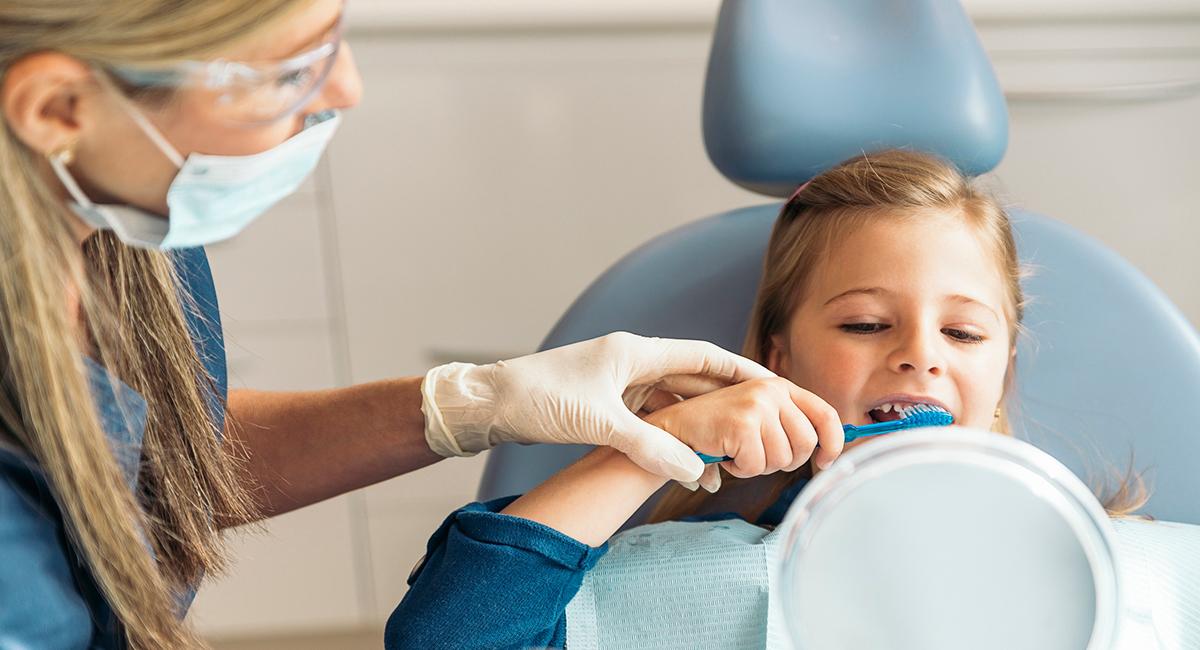
Cavities are one of the most common dental problems affecting children worldwide. While they may seem minor at first, untreated cavities can cause pain, infection, and difficulties with eating or speaking. The good news is that most cavities are preventable with the right habits and regular dental care. For parents, understanding how cavities develop and how to prevent them is essential for protecting their child’s smile.
Early education and regular check-ups play a big role in maintaining strong teeth. Services related to children's dentistry focus on prevention, early detection, and teaching healthy oral habits that can last a lifetime.
What Causes Cavities in Children?
Cavities develop when bacteria in the mouth feed on sugars from food and drinks. These bacteria produce acids that slowly damage the protective enamel of the teeth. Over time, this damage can create small holes, known as cavities.
Several factors can increase the risk of cavities in children, including:
-
Frequent consumption of sugary foods and drinks
-
Poor brushing and flossing habits
-
Inadequate fluoride exposure
-
Skipping regular dental check-ups
Understanding these causes allows parents to take preventive steps before dental problems appear.
Start Oral Care Early
Many parents believe dental care should begin only after all baby teeth appear, but oral hygiene should actually start much earlier. Cleaning your baby’s gums with a soft, damp cloth helps remove bacteria and prepares them for healthy oral care routines.
Once the first tooth appears, parents should begin brushing gently using a soft toothbrush and a small amount of fluoride toothpaste.
Encourage Proper Brushing Habits
Teaching children how to brush their teeth properly is one of the most effective ways to prevent cavities. Dentists recommend brushing at least twice a day once in the morning and once before bedtime.
Parents should supervise brushing for younger children to ensure they clean all tooth surfaces properly. Using a timer or a fun brushing song can help encourage kids to brush for the recommended two minutes.
Limit Sugary Snacks and Drinks
Diet plays a major role in dental health. Frequent sugary snacks, candies, and sweet drinks increase the risk of tooth decay because bacteria thrive on sugar.
To reduce cavity risk:
-
Offer healthy snacks such as fruits, vegetables, and cheese
-
Limit sugary beverages like soda and juice
-
Encourage children to drink water after meals
Healthy eating habits not only protect teeth but also support overall health.
Regular Dental Visits Are Essential
Routine dental check-ups help identify early signs of tooth decay before they become serious problems. Visiting a dentist greensborough families trust allows children to receive professional cleanings, fluoride treatments, and preventive guidance.
Dentists can also apply protective dental sealants to children’s molars. Sealants create a protective barrier over the grooves of the teeth, reducing the risk of cavities in areas that are difficult to clean.
Make Dental Care Fun
Children are more likely to follow healthy habits when dental care feels enjoyable rather than like a chore. Parents can make oral hygiene fun by:
-
Choosing colorful toothbrushes
-
Using flavored toothpaste designed for kids
-
Creating reward charts for consistent brushing
-
Reading books or watching educational videos about dental health
Positive reinforcement can help children develop lifelong dental care habits.
Lead by Example
Children often imitate the behavior of their parents. When kids see adults brushing, flossing, and maintaining good oral hygiene, they are more likely to adopt these habits themselves.
Family brushing routines can turn dental care into a shared activity that encourages consistency.
Building Lifelong Healthy Smiles
Preventing cavities in children requires a combination of good hygiene, healthy diet choices, and regular dental visits. When parents take an active role in teaching these habits, children develop a strong foundation for lifelong oral health.
Early prevention not only protects baby teeth but also helps ensure permanent teeth grow in strong and healthy.
FAQ
1. At what age should a child first visit the dentist?
Most dentists recommend scheduling the first dental visit by the child’s first birthday or when the first tooth appears.
2. How often should children brush their teeth?
Children should brush their teeth twice a day using fluoride toothpaste and a soft toothbrush.
3. Are baby teeth important if they eventually fall out?
Yes. Baby teeth help with chewing, speech development, and guiding permanent teeth into the correct position.
4. What foods help prevent cavities?
Foods rich in calcium and fiber, such as dairy products, fruits, and vegetables, help support healthy teeth.
5. Can cavities in baby teeth affect adult teeth?
Yes. Untreated cavities can cause infections that may affect the development of permanent teeth.
By helping children develop strong dental habits early, parents can greatly reduce the risk of cavities and support healthy smiles for years to come.