
 Written by
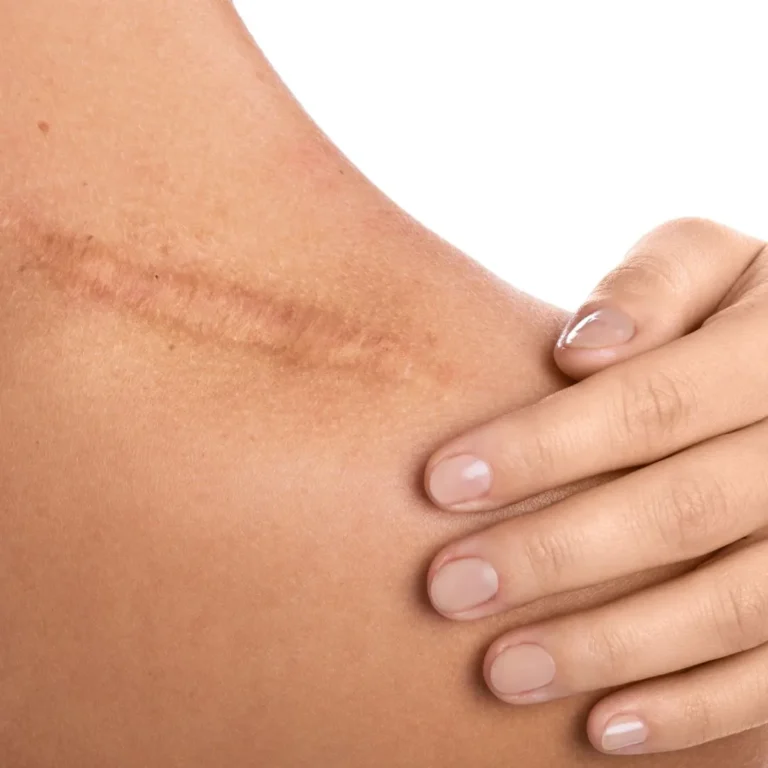
Scars can affect the appearance of the skin by creating raised areas, uneven edges, visible lines, or changes in texture. Some become wider over time, while others remain indented or firmly attached to the tissue underneath. These differences can make the affected area stand out from the surrounding skin. Surgical Scar Revision in Dubai may help improve selected scars by changing their shape, position, or surface contour. Dynamic Life Clinic provides an opportunity for individuals to explore suitable treatment options, although the results depend on the scar type, skin condition, and healing response.
Creating a More Refined Scar Shape
One of the main ways scar revision changes skin appearance is by improving the shape of an existing scar. A wide or irregular scar may be removed and the surrounding skin carefully brought together to create a narrower line. The surgeon may also adjust the direction of the scar so it follows natural skin creases where appropriate. This can make the treated area look more organised and less noticeable. However, the procedure creates a new wound, so the aim is to improve the appearance rather than eliminate all evidence of scarring.
Improving Raised and Thickened Skin
Some scars develop excess collagen during healing, making them appear thick, firm, or elevated above the surrounding skin. This is common with hypertrophic scars, which remain within the original wound boundaries. Depending on the scar’s size and characteristics, revision may involve removing selected tissue or combining surgery with other treatments. Keloids need special consideration because they extend beyond the original wound and can recur after treatment. A specialist may recommend additional measures rather than relying on surgical removal alone.
Smoothing Depressed or Uneven Areas
Not all scars rise above the skin. Some create indentations because of tissue loss, previous injury, or changes in the deeper layers. These depressed scars can produce an uneven surface and noticeable shadows. Depending on their depth and attachment, treatment may involve subcision, fat grafting, tissue rearrangement, or other reconstructive methods. Surgical revision may improve the contour in selected cases, but the most appropriate technique depends on the amount of tissue involved and the condition of the surrounding skin.
Improving the Alignment of Scar Edges
Scar edges that heal unevenly can create an irregular line or a visible change in the direction of the skin. Some surgical techniques, including Z-plasty and W-plasty, can help rearrange tissue and improve the way a scar sits within the surrounding area. These methods may also reduce tightness when a scar pulls on nearby skin. The surgeon considers the location, tension, and natural movement of the area before selecting a technique. Not every scar requires complex tissue rearrangement, and simpler correction may be sufficient in some cases.
Checkpoint: Important Changes to Expect From Scar Revision
The improvements possible after surgery depend on the scar’s structure and the treatment method. Patients should understand the likely changes before deciding to proceed.
Scar width: A widened scar may become narrower through careful removal and closure.
Surface contour: Selected raised or depressed scars may become smoother or more even.
Scar direction: Tissue rearrangement may help place a scar along natural skin lines.
Skin tightness: Releasing or repositioning scar tissue may improve movement in certain areas.
Colour differences: Redness or pigmentation may remain and could require separate treatment.
Overall visibility: A scar may become less noticeable, but complete removal is not guaranteed.
Changes in Skin Texture and Flexibility
Scar tissue often feels different from normal skin because collagen fibres form in a different arrangement during wound healing. It may feel firm, tight, thick, or less flexible. Revision can sometimes improve these features by removing restrictive tissue or rearranging the surrounding skin. This may be particularly helpful when a scar limits movement near a joint or pulls on nearby structures. However, the treated area will still contain scar tissue, and its softness and flexibility may continue changing as healing progresses.
Effects on Skin Colour and Pigmentation
Scar revision primarily addresses the structure and contour of a scar rather than pigmentation. Some scars appear darker because of post-inflammatory hyperpigmentation, while others remain red or pink due to blood vessels within healing tissue. A revised scar may still show these colour differences even when its shape improves. Depending on the cause, a dermatologist may recommend topical treatments, laser therapy, or other pigmentation-focused options. Protecting the healing area from excessive sun exposure is also important because ultraviolet radiation can worsen certain forms of discolouration.
Recovery and the Gradual Development of Results
The skin does not show its final appearance immediately after scar revision. During the early recovery period, swelling, bruising, tenderness, and redness may make the treated area look more noticeable. These changes usually settle gradually as the wound heals. The scar then continues to mature, becoming softer and potentially less prominent over several months. Patients should follow instructions about wound care, activity restrictions, sun protection, and follow-up visits. Healing time varies according to the procedure, scar location, and individual response.
Risks That Can Affect the Final Skin Appearance
Although scar revision aims to improve an existing mark, the outcome is not always predictable. Possible complications include infection, bleeding, delayed wound healing, wound separation, altered sensation, and an unfavourable cosmetic result. A scar may become wide or raised again, particularly in people who are prone to abnormal scarring. Pigmentation changes can also occur during healing. Keloids may recur even after treatment, which is why they often require a carefully planned combination of therapies. Discussing these risks helps patients make an informed decision.
Professional Assessment for the Right Technique
The best way to determine how scar revision may change skin appearance is through an individual examination. A surgeon assesses the scar’s depth, width, texture, location, and relationship with nearby tissue. The specialist also considers skin type, previous treatments, medical history, and healing tendencies. Depending on the findings, the plan may involve scar excision, careful wound closure, tissue rearrangement, grafting, or a combination of surgical and non-surgical treatments. This helps ensure that the chosen approach addresses the main concern rather than focusing only on the visible surface.
Frequently Asked Questions
These answers explain common questions about the appearance of the skin after scar revision surgery.
Does scar revision make skin look completely normal?
Scar revision cannot guarantee completely normal-looking skin because the procedure creates a new wound that will also form scar tissue. It may improve the width, shape, texture, or position of an existing scar. The degree of improvement varies from person to person.
Can scar revision make rough skin smoother?
It may improve rough or uneven areas when the irregularity is caused by scar tissue that can be corrected surgically. The technique depends on whether the scar is raised, depressed, attached, or irregular. Some surface concerns may respond better to non-surgical treatments.
Will the skin colour become the same after revision?
Not necessarily. Surgery mainly changes scar structure, so differences in pigmentation or redness may remain. Additional treatment may be considered if colour changes are the main concern.
How long does it take to see the final appearance?
Initial wound healing takes place over the first few weeks, but scar maturation continues for several months. Redness, firmness, and swelling may gradually decrease during this period. The final result depends on the treatment area and individual healing response.
Can scar revision improve skin movement?
It may improve movement when a tight scar restricts nearby tissue, particularly around joints or areas that bend frequently. Techniques such as scar release or tissue rearrangement may be considered. The expected functional improvement depends on the depth and extent of the restriction.
Conclusion
Scar revision surgery can change skin appearance by improving the shape, width, texture, alignment, and contour of selected scars. It may also reduce tightness when scar tissue restricts movement. However, pigmentation and colour differences may need separate treatment, and no procedure can guarantee completely scar-free skin. A professional assessment helps identify the cause of the visible concern and determine which surgical or non-surgical approach is most suitable for achieving a more balanced appearance.