
 Written by
Can HIFU treatment cause temporary numbness or nerve sensitivity? Yes, some people may experience temporary tingling, tenderness, altered sensation, or mild numbness after high-intensity focused ultrasound (HIFU). These effects can occur as focused ultrasound energy stimulates deeper skin tissues. For individuals researching HIFU Treatment Dubai, including those exploring aesthetic options at Dynamic Clinic in Dubai, understanding possible nerve-related side effects can help them make informed decisions about treatment and recovery.
How Does HIFU Affect the Skin and Underlying Nerves?
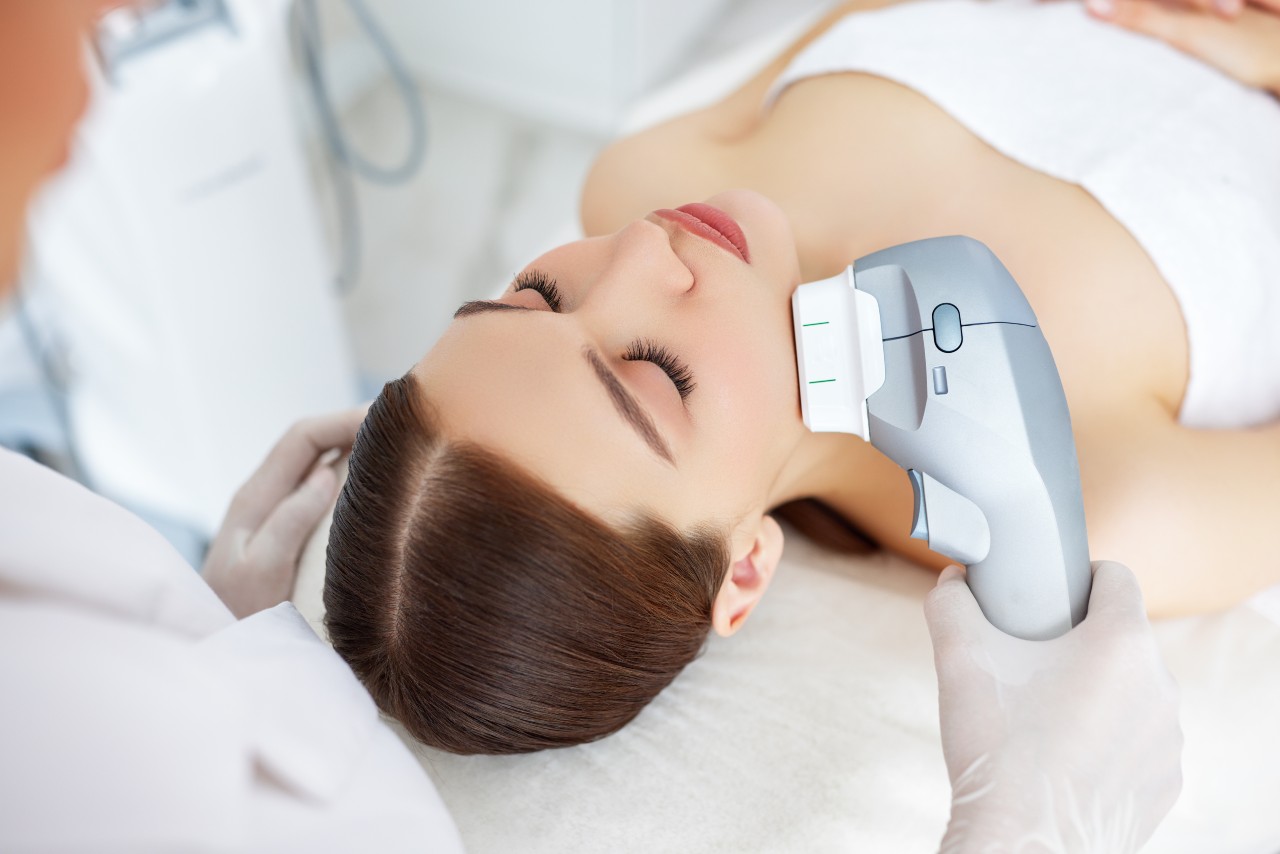
HIFU is a non-surgical cosmetic procedure that uses focused ultrasound energy to heat specific layers beneath the skin. The controlled heat stimulates collagen production, which may gradually improve skin firmness and reduce the appearance of mild sagging. Unlike treatments that work mainly on the skin’s surface, HIFU targets deeper tissues without intentionally damaging the outer skin layer.
However, facial tissues contain sensory nerves that help detect touch, pressure, and temperature. Depending on the treatment area, energy depth, and individual anatomy, nearby nerves may experience temporary irritation. This can lead to unusual sensations during or after the procedure, particularly around sensitive areas such as the jawline, cheeks, and forehead.
What Types of Nerve-Related Sensations Can Occur After HIFU?
The effects vary from person to person. Some individuals notice only mild tenderness, while others experience temporary changes in sensation.
Commonly reported sensations may include:
Temporary numbness: A small area may feel less sensitive to touch for a limited period.
Tingling or pins and needles: The skin may feel as though tiny needles are touching it.
Increased sensitivity: Touching, washing, or applying skincare products may feel uncomfortable.
Tenderness or soreness: The treated area may feel bruised or sensitive when pressed.
Brief shooting sensations: Some people experience short, sharp or electric-like sensations during treatment or recovery.
These symptoms do not necessarily indicate nerve damage. However, persistent numbness, worsening pain, or unusual muscle weakness should not be dismissed as a normal response.
How Long Can Temporary Numbness Last After HIFU?
The duration depends on the intensity of the symptoms, the treatment area, and individual healing responses. Mild tenderness and sensitivity may settle within a few days, while temporary sensory changes can sometimes take several weeks to improve.
There is no single recovery timeline that applies to everyone. If numbness continues, spreads, or becomes more noticeable instead of gradually improving, a qualified healthcare professional should assess the area.
It is also important to distinguish between expected post-treatment tenderness and a possible nerve-related complication. Symptoms that interfere with normal facial movement or everyday activities require prompt medical attention.
Which Factors May Increase the Risk of Nerve Sensitivity?
Several factors can influence how the body responds to focused ultrasound energy.
Treatment depth and energy settings: Ultrasound energy must be delivered at an appropriate depth. Incorrect settings or unsuitable treatment techniques may increase the risk of irritation or injury to surrounding structures.
Anatomical differences: Facial nerves follow specific pathways, but their precise locations and surrounding tissue structures vary between individuals. Certain treatment areas may require greater care because important nerves are nearby.
Treatment technique: Device selection, applicator placement, and the practitioner’s training can affect treatment accuracy and safety.
Individual sensitivity: Existing skin sensitivity, previous facial procedures, and certain medical conditions may influence how a person experiences treatment or recovers afterward.
A proper consultation helps identify relevant risks and determine whether HIFU is appropriate for a particular individual.
How Can You Manage Sensitivity After HIFU?
If mild tenderness or tingling occurs, simple aftercare measures may help keep the treated area comfortable.
Use a gentle cleanser and avoid aggressive exfoliation while the skin feels sensitive.
Apply a mild, fragrance-free moisturiser if needed.
Avoid rubbing, massaging, or applying excessive pressure to the treated area.
Follow the provider’s aftercare instructions and avoid introducing irritating skincare products until the skin settles.
Contact a healthcare professional if symptoms persist, worsen, or feel unusual.
Avoid taking medication specifically for nerve symptoms without appropriate medical advice. If you develop sudden facial weakness, difficulty speaking, severe swelling, or other concerning neurological symptoms, seek emergency medical care.
When Should You Seek Medical Advice?
Mild tenderness can occur after HIFU, but certain symptoms deserve professional assessment. Seek medical advice if you experience persistent numbness, burning sensations that worsen, increasing pain, or changes in facial movement.
A clinician can examine the affected area, assess sensory changes, and determine whether further evaluation is necessary. Early assessment is particularly important when symptoms are severe or do not follow an improving pattern.
Before undergoing treatment, ask about the device being used, the practitioner’s qualifications, the expected recovery process, and the potential risks associated with your treatment area. These questions can help you understand the procedure beyond its cosmetic benefits.
Conclusion
HIFU treatment can sometimes cause temporary numbness, tingling, tenderness, or nerve sensitivity, although these effects do not occur in everyone. Mild symptoms may improve as the treated tissues recover, but persistent sensory changes or signs of nerve dysfunction require medical assessment. Choosing a qualified practitioner, discussing your medical history, and following appropriate aftercare guidance can help support a safer treatment experience.