
 Written by
Choosing a hair restoration procedure is a significant medical and financial decision, and it deserves the same careful planning as any other surgery. Many patients focus only on the final quote and overlook the steps that come before the operation. Those early steps often determine whether the treatment succeeds and whether the budget stays under control. Anyone researching Hair Transplant Cost in Islamabad will find that the figure on a price list is only part of the picture. Understanding what shapes that figure, and what the assessment stage involves, helps you plan with confidence and avoid unpleasant surprises.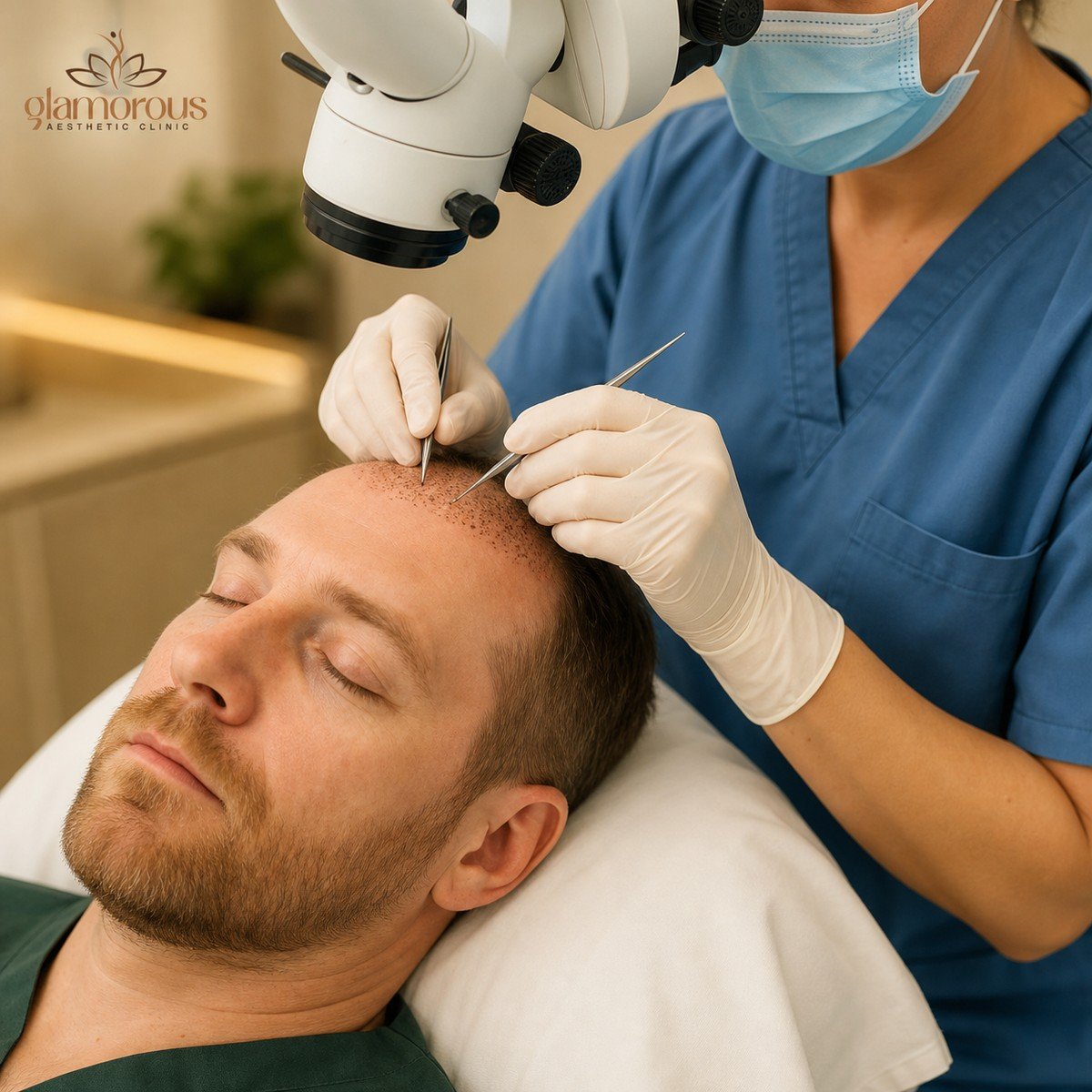
Why Pre-Treatment Assessment Is the Foundation of Every Transplant?
A hair transplant is not a one-size-fits-all procedure. Before a surgeon can recommend a technique or estimate the number of grafts, they need to understand your scalp, your hair loss pattern, and your general health. This evaluation protects you from unsuitable treatment and gives the clinic the information it needs to give an accurate quote.Skipping or rushing the assessment may seem like a way to save money, but it often leads to poor planning, unrealistic promises, and results that disappoint. A thorough evaluation is an investment in the outcome rather than an optional extra.
What the Initial Consultation Includes?
The first appointment usually begins with a detailed conversation about your hair loss history, family background, lifestyle, current medications, and previous treatments. The doctor asks about your goals and explains what is realistically achievable.A physical examination of the scalp follows. The specialist looks at the areas of thinning, the quality of the donor region at the back and sides of the head, and the overall health of the skin. Some clinics offer this consultation free of charge, while others charge a fee that may be adjusted against the treatment cost if you proceed. Always ask in advance how the consultation is handled.
Diagnostic Tools and Scalp Analysis
Many professional clinics use a dermatoscope or trichoscope, which magnifies the scalp and hair shafts. This allows the doctor to measure hair density, hair thickness, the ratio of healthy to miniaturized follicles, and the number of hairs per follicular unit. These details help estimate how many grafts the donor area can safely provide.Digital mapping and photographic documentation are also common. They create a baseline record for planning the hairline and for comparing progress after the procedure. Advanced analysis may carry an additional charge, though it often improves the accuracy of your surgical plan.
Blood Tests and Medical Screening
Hair loss is not always purely genetic, so a responsible clinic may recommend blood tests before surgery. Typical tests check hemoglobin, ferritin, vitamin D, vitamin B12, thyroid function, and sometimes hormone levels. Screening for conditions such as diabetes, hepatitis, and bleeding disorders may also be required for surgical safety.These tests identify underlying causes of shedding that surgery alone cannot fix. They also reveal conditions that could affect healing. The cost of laboratory work is sometimes billed separately, so confirm whether it is included in your package or paid directly to a laboratory.
Diagnosing the Type of Hair Loss
Not every case of hair loss calls for a transplant. Conditions such as telogen effluvium, alopecia areata, scarring alopecia, and scalp infections require different management. A transplant is most successful for stable, permanent patterns such as androgenetic alopecia.Accurate diagnosis may involve additional tests, including a scalp biopsy in uncertain cases. Although this adds to the early expense, it prevents the far greater cost of performing surgery on someone who would not benefit from it.
Key Factors That Shape the Final Cost
Once the assessment is complete, the clinic can estimate your total cost. Several variables influence this figure, and understanding them helps you compare quotes fairly.
Number of Grafts Required
The more grafts needed to achieve your desired coverage, the higher the cost. A small hairline correction costs less than a full restoration of a large bald area. Some clinics price per graft, while others offer a fixed package for a range of grafts, so clarify which model applies.
Technique Used
Follicular unit extraction, follicular unit transplantation, and direct hair implantation involve different levels of time, equipment, and skill. Techniques that demand greater precision or longer procedures generally cost more. The best technique for you depends on your case, not just on price.
Surgeon Experience and Team Expertise
A skilled surgeon and a well-trained team contribute enormously to the quality and safety of the result. Experience is a legitimate part of what you pay for, since poor technique can cause permanent damage to the donor area that is difficult to repair.
Clinic Facilities and Technology
Sterile operating rooms, quality instruments, magnification equipment, and proper monitoring all add to operating costs. Clinics that invest in these standards typically charge more than those that cut corners, and the difference often shows in safety and results.
Anesthesia and Procedure Duration
Most transplants use local anesthesia, but longer sessions require more staff time and supplies. Larger sessions may need to be divided into more than one day, which can influence the total cost.
Additional Expenses Beyond the Procedure
Many patients forget to budget for expenses connected to the treatment. Post-operative medications, antibiotics, pain relief, special shampoos, and healing lotions all add to the total. Follow-up appointments are essential for monitoring healing and graft growth, and some clinics include them while others charge separately.Supporting treatments are another consideration. Doctors often recommend medical therapy such as minoxidil or oral medication to protect existing hair, and platelet-rich plasma sessions may be suggested to improve scalp health and graft survival. Patients traveling from other cities should also consider transport and accommodation costs, as well as time away from work during early recovery.
Possible Revision or Second Sessions
Some patients need more than one session, especially if hair loss is extensive or continues to progress. Planning for a possible future session helps you avoid financial strain later. A transparent clinic discusses this possibility upfront instead of presenting an unrealistically complete picture.
How to Compare Quotes Properly?
Comparing prices requires comparing identical services. Ask each clinic what the quote covers, including consultation, tests, procedure, medications, follow-up visits, and any complication management. Find out whether the price is per graft or a fixed package, and whether the surgeon personally performs the critical steps.Be careful with prices that appear far below the market average. Low quotes may reflect inexperienced staff, poor hygiene, inadequate equipment, or hidden charges that appear later. In hair restoration, correcting a poor result can cost far more than doing the procedure properly the first time.
Questions Worth Asking Before You Commit
A confident patient asks direct questions. Who will perform the procedure, and how many similar cases have they handled? How many grafts are realistic for my case? What technique do you recommend and why? What happens if growth is poor? Are follow-up visits included? A professional clinic welcomes these questions and answers them clearly, without pressure to decide on the spot.
Setting Realistic Expectations
A transplant redistributes existing hair rather than creating new donor supply, so results depend on the quantity and quality of your donor area. New growth typically begins around three to four months after surgery, with noticeable improvement by six to nine months and final results maturing near twelve to eighteen months. Understanding this timeline prevents frustration and helps you judge the outcome fairly.
Conclusion
The cost of a hair transplant is shaped by far more than the procedure alone. It reflects the quality of the pre-treatment assessment, the number of grafts, the technique, the surgeon’s expertise, the clinic’s standards, and the aftercare that supports healing. Thorough evaluation, including scalp analysis, medical screening, and accurate diagnosis, may add a modest expense at the start, but it protects both your health and your investment. Compare quotes carefully, ask what is included, and be cautious of prices that seem too good to be true. By prioritizing safety, transparency, and realistic expectations over the lowest price, you give yourself the best chance of a natural, lasting result that justifies every rupee spent.
Read More :
https://www.patreon.com/henry248/posts/hair-transplant-173165611?utm_medium=clipboard_copy&utm_source=copyLink&utm_campaign=postshare_creator&utm_content=join_link