
 Written by
Teeth whitening is a popular cosmetic dental treatment that helps reduce stains and discoloration, creating a brighter and more attractive smile. Many people choose this treatment to improve the appearance of their teeth before special occasions or as part of their personal care routine. Teeth Whitening in Dubai offers an option for people who want to address common stains caused by coffee, tea, certain foods, and everyday habits. The results depend on the natural shade of the teeth, the type of discoloration, and the whitening method selected.
A Brighter and Cleaner-Looking Smile
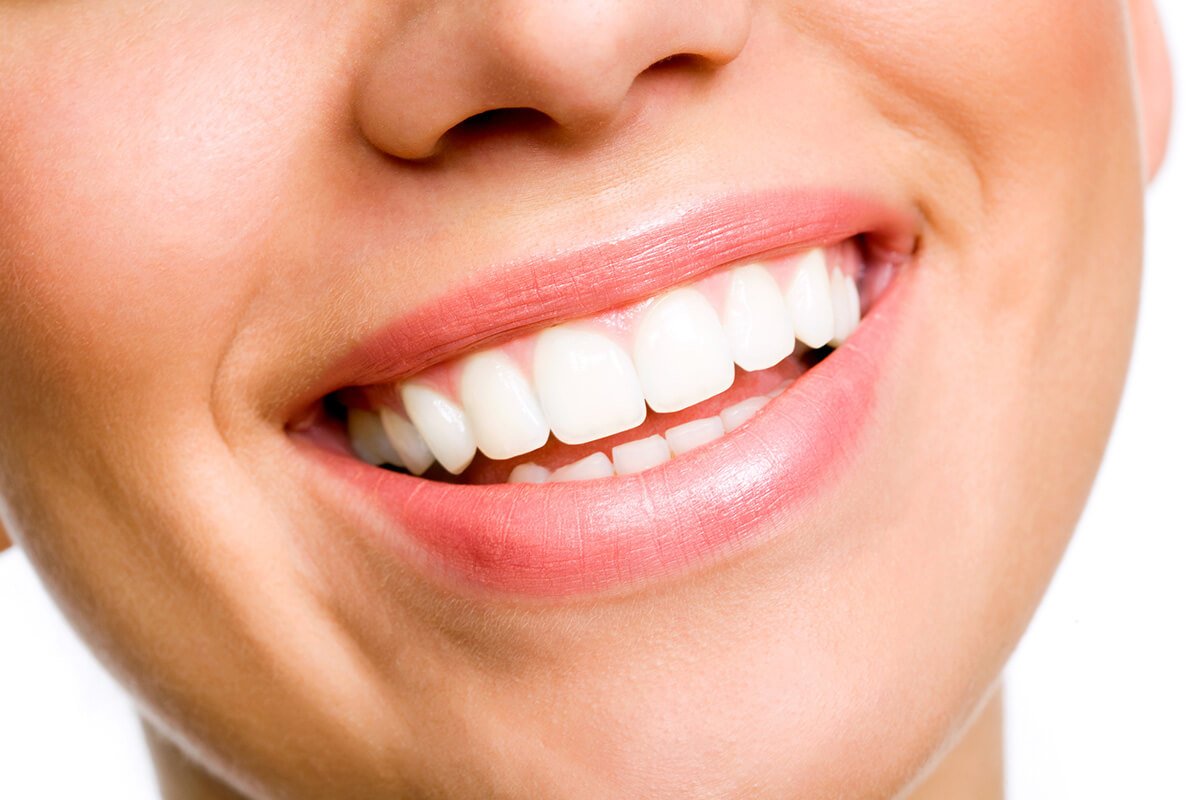
One of the main benefits of teeth whitening is its ability to improve the appearance of discolored teeth. Over time, pigments from food and drinks can build up on the tooth surface, making teeth look yellow or dull. Whitening treatments use suitable ingredients to break down certain stain molecules and lighten the natural tooth shade. The improvement varies between individuals, but reducing visible discoloration can help create a fresher-looking smile. A dental professional can assess the cause of staining and recommend an appropriate treatment.
Improved Confidence and Self-Esteem
Tooth discoloration can make some people feel uncomfortable when smiling, speaking, or appearing in photographs. Whitening may help reduce these concerns by making the teeth look brighter. Feeling more satisfied with the appearance of a smile can encourage greater comfort in social and professional situations. However, the effect on confidence is personal, and whitening does not guarantee changes in self-esteem. The most important goal is to achieve a natural-looking result that suits the individual rather than trying to obtain an unnaturally white shade.
Reduction of Common Surface Stains
Coffee, tea, red wine, tobacco, and strongly colored foods can contribute to tooth staining. Professional whitening and suitable at-home bleaching products may reduce many of these stains. The results depend on how deeply the discoloration has affected the teeth and how long it has been present. Some surface deposits may respond better to professional dental cleaning than to bleaching alone. A dentist can distinguish between external stains and deeper discoloration to help determine which approach is likely to be effective.
A More Youthful Appearance
Teeth that look brighter can contribute to a more refreshed and youthful overall appearance. Natural teeth may become darker with age as enamel gradually changes and the yellowish dentin underneath becomes more visible. Whitening can help reduce some types of age-related discoloration and improve the overall appearance of the smile. However, the results depend on the cause of the color change. A dental examination can help determine whether whitening is suitable or whether another treatment may be more effective.
A Simple Cosmetic Dental Option
Compared with treatments that change the shape or position of teeth, whitening is a relatively non-invasive cosmetic option. It does not require reshaping healthy teeth when performed as a standard external whitening procedure. Depending on the patient’s needs, treatment may involve an in-office procedure or dentist-supervised products used at home. The choice depends on oral health, the type of staining, the expected results, and the individual’s preferences. Whitening is not a replacement for routine dental care, but it may complement a healthy oral hygiene routine.
Better Results for Everyday Staining
Regular exposure to staining substances can gradually affect tooth color. Coffee, tea, red wine, tobacco, and certain foods are common contributors to surface discoloration. Whitening treatments can help reduce many of these stains and restore a brighter appearance. For some people, professional dental cleaning may also be helpful because it removes plaque, tartar, and certain external deposits that brushing cannot eliminate. Combining appropriate dental care with sensible lifestyle habits can help maintain a cleaner-looking smile over time.
Personalized Treatment Options
Not every type of tooth discoloration responds equally to whitening. External stains may respond well to cleaning or bleaching, while deeper discoloration caused by certain medications, dental injuries, or changes inside a tooth may be more difficult to treat. A dentist can assess the teeth and recommend a suitable approach based on the underlying cause. Treatment may include professional whitening, dentist-supervised home whitening, or alternative cosmetic options when bleaching is unlikely to achieve the desired result. Personalized advice helps set realistic expectations and avoid unnecessary treatments.
Support for a Consistent Smile Appearance
Whitening can improve the appearance of natural teeth by reducing uneven discoloration across the smile. However, existing dental restorations, including crowns, veneers, and fillings, do not generally change color with bleaching products. This means whitening may create a difference between natural teeth and restored teeth. Discussing existing restorations with a dentist before treatment can help prevent an uneven result. The dentist can also explain whether any additional cosmetic work is appropriate to achieve a more consistent appearance.
Maintaining Whitening Results
The results of teeth whitening can fade over time, particularly when a person regularly consumes staining foods and drinks or uses tobacco. Maintaining good oral hygiene is important for preserving both the appearance and health of the teeth. Brush twice daily with fluoride toothpaste, clean between the teeth, and attend routine dental checkups. Rinsing the mouth with water after drinking coffee or tea may help reduce the amount of staining residue left on the teeth. Avoid repeating whitening treatments too frequently, as excessive use can increase sensitivity and irritation.
Safety Considerations Before Treatment
Although teeth whitening offers cosmetic benefits, it is not suitable for everyone. People with untreated cavities, gum disease, cracked teeth, significant enamel wear, or existing tooth sensitivity should consult a dentist before starting treatment. Temporary sensitivity and gum irritation are among the common side effects of bleaching. Whitening products should always be used according to their instructions, and unverified home remedies should be avoided. A dental professional can explain the possible risks and recommend an approach that considers both appearance and oral health.
Conclusion
Teeth whitening can help reduce discoloration, improve the appearance of a smile, and increase satisfaction with the natural tooth shade. Its main benefits include a brighter-looking smile, reduced visible stains, and a relatively non-invasive cosmetic treatment option. However, results vary according to the type of staining, tooth condition, and whitening method. Professional guidance helps determine whether whitening is appropriate and how to minimize potential side effects. Maintaining good oral hygiene and following aftercare instructions can help preserve the results while supporting long-term dental health.
Frequently Asked Questions
1. How does teeth whitening improve the appearance of a smile?
Teeth whitening reduces certain stains and discoloration, helping natural teeth look brighter. The degree of improvement depends on the original tooth shade, the type of staining, and the whitening method used.
2. Can teeth whitening improve confidence?
A brighter smile may help some people feel more comfortable smiling, speaking, and appearing in photographs. However, the effect on confidence varies from person to person, and results cannot guarantee a particular emotional outcome.
3. Can teeth whitening remove coffee and tea stains?
Yes, whitening treatments can reduce many stains caused by coffee and tea. A professional dental cleaning may also help remove surface deposits. Deep discoloration may require a different approach, depending on its cause.
4. How long do the benefits of teeth whitening last?
Results may last for several months or longer, depending on the treatment, oral hygiene, diet, and habits such as smoking. Regular dental care and limiting staining substances can help maintain the brighter appearance.
5. Does teeth whitening make teeth healthier?
Teeth whitening is primarily a cosmetic treatment and does not treat cavities, gum disease, or other dental conditions. Healthy teeth and gums should be maintained through brushing, interdental cleaning, and regular dental examinations.
6. Can everyone benefit from teeth whitening?
Not everyone is an ideal candidate. People with untreated dental problems, significant sensitivity, or certain types of deep discoloration may need an alternative approach. A dentist can assess suitability before treatment.
7. Will teeth whitening change the color of crowns or veneers?
No. Whitening products generally affect natural teeth rather than crowns, veneers, or fillings. A dentist can help plan treatment to reduce visible differences between natural teeth and existing restorations.
8. What is the best way to maintain whitening results?
Brush twice daily with fluoride toothpaste, clean between your teeth, attend regular dental checkups, and limit frequent exposure to staining drinks and tobacco. Follow your dentist’s advice before using additional whitening products.