
 Written by
As people age, maintaining healthy teeth becomes increasingly important for comfortable eating, clear speech, and overall oral health. However, older adults may experience dental problems such as deep cavities, cracked teeth, worn fillings, or infections that affect the inner tissues of a tooth.Root canal treatment is a dental procedure designed to remove infected or damaged pulp while preserving the natural tooth. Many seniors consider this treatment because they want to relieve tooth pain, avoid extraction, and maintain their ability to chew comfortably.For older adults considering Root Canal Treatment in Islamabad, understanding the procedure’s safety, benefits, potential risks, and recovery process can help them make informed decisions about their dental health.The good news is that root canal treatment is generally safe and effective for older adults. Age alone does not prevent someone from receiving treatment. However, existing medical conditions, medications, and the condition of the affected tooth should be carefully evaluated before the procedure.
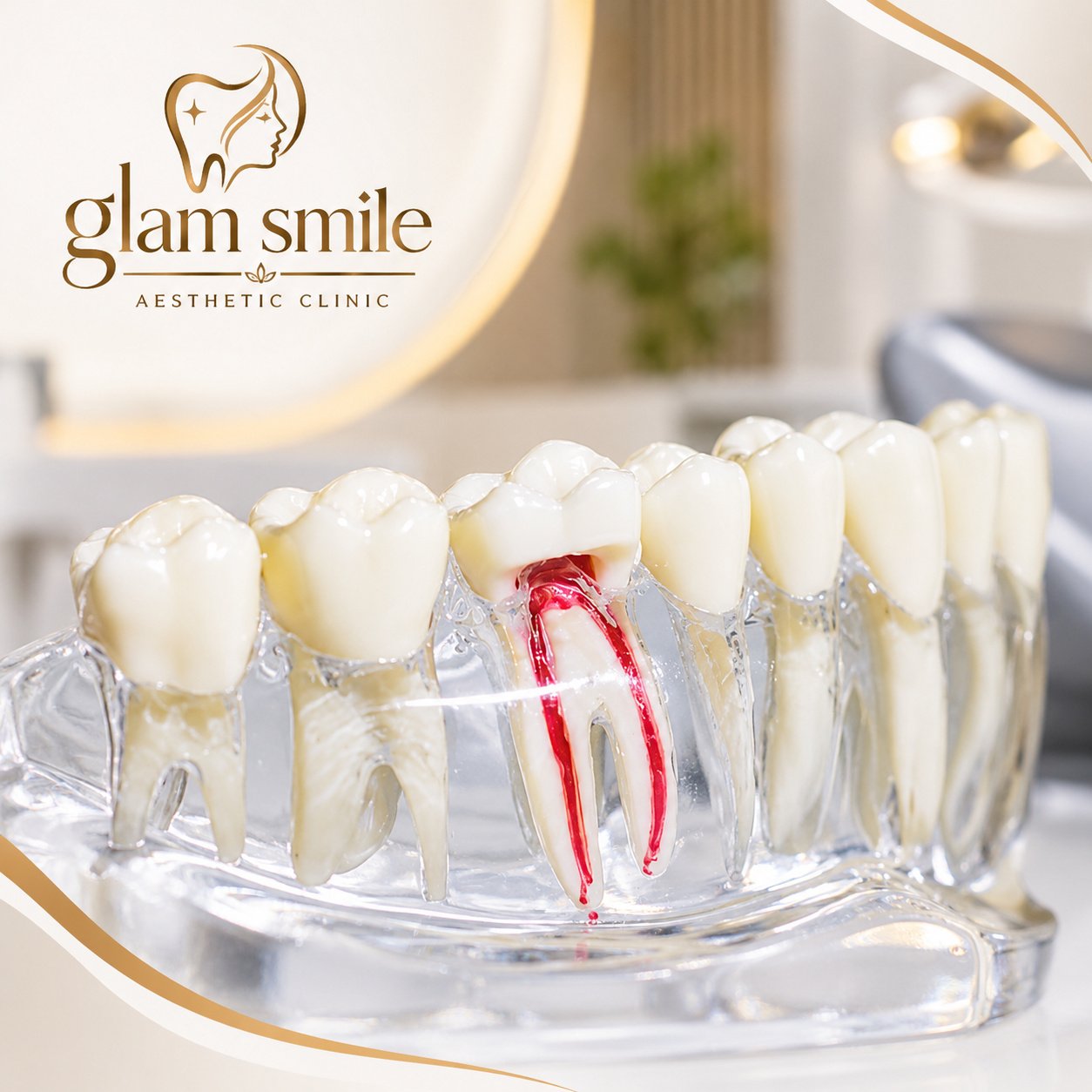
How Is Root Canal Treatment in Older Adults?
The procedure is generally similar for adults of all ages, although additional precautions may be needed depending on medical history and tooth anatomy.
Dental Examination
The dentist examines the tooth, reviews symptoms, and takes dental X-rays when appropriate. Medical conditions and medications are also discussed before treatment begins.
Local Anaesthesia
Local anaesthesia is administered to numb the affected area and minimise discomfort.The dentist selects an appropriate anaesthetic based on the patient’s health and medical history.
Removal of Infected Pulp
A small opening is created in the tooth, allowing the dentist to remove the infected or damaged pulp.
Cleaning and Disinfection
Specialised instruments are used to clean, shape, and disinfect the root canals.Older teeth sometimes have narrower or calcified canals, which can make this stage more challenging.
Filling and Sealing
The cleaned canals are filled with a biocompatible material and sealed to reduce the risk of reinfection.
Final Tooth Restoration
A permanent filling or dental crown is placed when appropriate to restore the tooth’s function and protect it from fracture.Some patients may require more than one appointment, particularly when the root canals are complex or the infection is extensive.
Benefits of Root Canal Treatment for Older Adults
Root canal treatment offers several potential advantages for seniors who want to preserve their natural teeth.
Preserves Natural Teeth
Keeping natural teeth helps maintain comfortable chewing and supports normal oral function.
Relieves Tooth Pain
Removing inflamed or infected pulp addresses a common source of persistent toothache.
Helps Control Dental Infection
Cleaning and sealing the canals helps eliminate the source of infection within the tooth and reduces the risk of further complications.
Maintains Chewing Ability
A successfully treated and restored tooth can help older adults continue eating a varied diet comfortably.
May Avoid Tooth Extraction
Preserving a natural tooth can eliminate the immediate need for a dental bridge, implant, or removable denture.
Supports Long-Term Oral Health
When combined with good oral hygiene and regular dental examinations, root canal treatment can help maintain a functional natural dentition.
Possible Risks and Limitations of Root Canal Treatment in Seniors
Although root canal treatment is generally safe, older adults should understand its potential limitations.
Temporary Pain or Tenderness
Mild discomfort may occur for several days after treatment. This usually improves gradually and can often be managed with appropriate pain relief.
Complex Root Canal Anatomy
With age, root canals may become narrower due to the deposition of additional dentine. This can make locating and cleaning the canals more difficult.
Persistent or Recurrent Infection
In some cases, infection may remain or return, requiring additional treatment.
Tooth Fracture
A tooth weakened by extensive decay or previous restorations may be more vulnerable to fracture, especially without a suitable permanent restoration.
Medication Considerations
Certain pain medicines or antibiotics may interact with medications used for chronic conditions. The dentist should review the patient’s medication list before prescribing treatment.
Need for Further Treatment
Occasionally, a tooth may require root canal retreatment, endodontic surgery, or extraction if the initial procedure does not achieve the desired result.
Is Root Canal Treatment Painful for Older Adults?
Root canal treatment is usually performed under local anaesthesia, which helps control pain during the procedure.Most patients feel pressure or movement rather than sharp pain. However, teeth with severe inflammation or infection may sometimes be more difficult to numb completely.If discomfort occurs during treatment, the patient should inform the dentist so additional anaesthesia or other measures can be considered.After the procedure, mild tenderness when chewing is common for a few days. Severe or worsening pain should be assessed promptly.
How Long Does Recovery Take After a Root Canal?
Recovery after an uncomplicated root canal is usually relatively quick.Many older adults can return to normal daily activities on the same day, although mild tenderness may last several days.
Alternatives to Root Canal Treatment for Seniors
Root canal treatment is not always the only available option. The most appropriate choice depends on the tooth’s condition and the patient’s preferences.
Tooth Extraction
If the tooth cannot be saved, extraction may be recommended to remove the source of infection.
Dental Implants
An implant may replace a missing tooth when the patient has adequate bone support and is medically suitable for the procedure.Implants require careful assessment, particularly in patients with certain medical conditions or medications.
Dental Bridges
A bridge can replace a missing tooth by using neighbouring teeth for support.
Removable Dentures
Partial dentures may be an option when several teeth are missing or when other replacement methods are unsuitable.When a natural tooth can be predictably preserved, root canal treatment is often worth considering before extraction.
What Results Can Older Adults Expect?
A properly performed root canal followed by an appropriate restoration can allow a tooth to remain functional for many years.However, the treatment does not guarantee that the tooth will last for the rest of a patient’s life. adults should also understand that a root-treated tooth can still develop new decay or gum disease. Continued preventive care remains essential.
Root Canal Treatment at Glam Smile Clinic
Older adults experiencing tooth pain, sensitivity, or signs of infection can seek a dental assessment at Glam Smile Clinic to discuss suitable treatment options.Before recommending a root canal, the dentist can evaluate the affected tooth, review relevant medical conditions and medications, and explain the potential benefits and limitations.Patients considering root canal treatment should ask about the expected number of appointments, whether a crown is necessary, possible complications, and the long-term outlook for the tooth.An individualised treatment plan can help older adults make informed decisions while prioritising their comfort, oral health, and overall well-being.
Frequently Asked Questions
Is there an age limit for root canal treatment?
No. There is no fixed upper age limit for root canal treatment. Patients in their 60s, 70s, 80s, or beyond may be suitable candidates if their tooth can be restored and their medical condition allows treatment.
Is root canal treatment safe for older adults with diabetes?
Root canal treatment is generally possible for patients with diabetes. However, poorly controlled blood sugar may influence infection management and healing. The dentist may recommend additional precautions or coordination with the patient’s physician.
How long does a root canal take for an elderly patient?
A root canal often takes approximately 30–120 minutes per appointment. Treatment may take longer if the tooth has narrow, calcified, or complex canals. Some cases require multiple visits.
Is tooth extraction better than a root canal for seniors?
Not necessarily. If a tooth can be successfully treated and restored, preserving it may provide important functional benefits. Extraction may be preferable when the tooth is severely damaged or cannot be saved predictably.
Can a root canal tooth last for many years in older adults?
Yes. A properly treated and restored tooth may last for many years or even decades. Longevity depends on the tooth’s condition, restoration quality, oral hygiene, and ongoing dental care.
Conclusion
Root canal treatment is generally safe for older adults and can be an effective way to relieve dental pain, manage infection, and preserve natural teeth. Age alone is not a reason to avoid the procedure.However, medical history, medications, tooth structure, and the extent of infection should all be considered before treatment. A professional dental examination can help determine whether root canal therapy or another option is most suitable.If you are experiencing persistent tooth pain or signs of infection, consider arranging a consultation at Glam Smile Clinic to discuss your dental health and available treatment options.