
 Written by
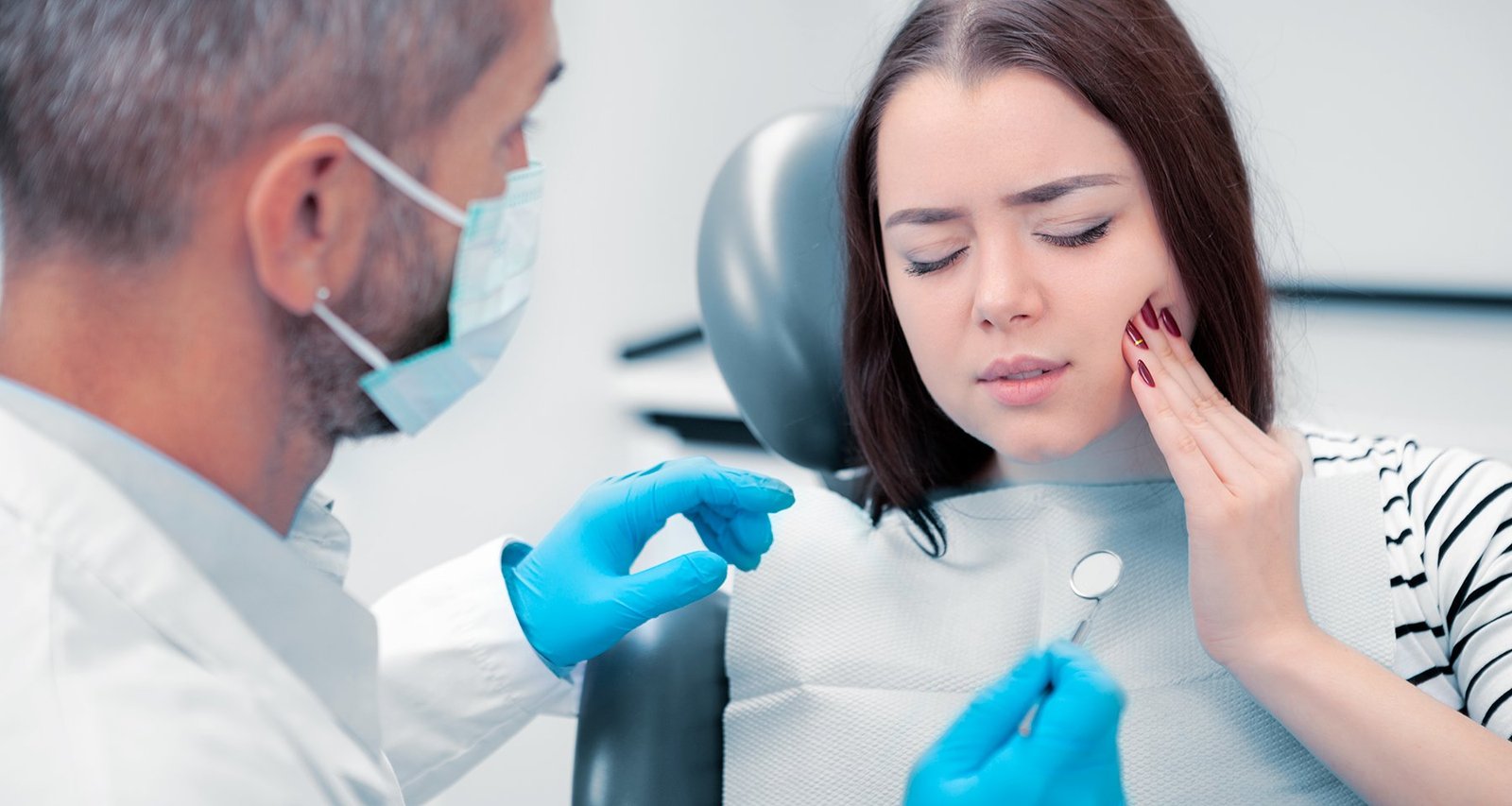
Finding the Best Dental Crowns in Edmonton can help you make an informed decision when a tooth is damaged, weakened, or needs additional protection. Dental crowns are custom-made restorations that cover the visible portion of a tooth to restore its shape, strength, and appearance. Depending on your dental needs, a crown may help protect a weakened tooth, restore a tooth after root canal treatment, or improve the appearance of a tooth with significant damage.
What Are Dental Crowns?
A dental crown is a protective covering placed over a tooth that has been prepared to receive the restoration. Crowns are designed to fit the tooth and work with your bite, helping restore its function while protecting the remaining tooth structure.
A dentist may recommend a crown when a tooth has extensive decay, a large filling, a fracture, or significant wear. Crowns may also be used to restore certain dental implants or improve the appearance of selected teeth.
Whether a crown is suitable depends on the condition of the tooth, the health of the surrounding gums, and your overall oral health. Your dentist can assess these factors before recommending treatment.
When Might You Need a Dental Crown?
Dental crowns can serve both restorative and cosmetic purposes. Common reasons a dentist may recommend one include:
A severely damaged tooth: A crown can cover and protect a tooth with substantial structural damage.
A tooth with extensive decay: When a large amount of tooth structure has been lost, a crown may provide additional support after the decay is treated.
After root canal treatment: Some teeth, particularly back teeth, may need a crown to help protect them from fracture.
A cracked or weakened tooth: Depending on the type and extent of the crack, a crown may help restore function.
A worn or misshapen tooth: A crown can restore the tooth’s shape and improve its appearance in appropriate cases.
Certain dental implant restorations: A crown can serve as the visible replacement tooth attached to a dental implant.
Not every damaged tooth needs a crown. In some situations, a filling, an inlay, or another conservative restoration may be appropriate.
Types of Dental Crowns
Different crown materials offer different advantages. The most suitable option depends on the tooth’s location, bite pressure, aesthetic preferences, and budget.
Porcelain and Ceramic Crowns
Porcelain and ceramic crowns can closely resemble natural teeth in colour and translucency. They are often considered for visible teeth where appearance is a priority. Their suitability depends on the patient’s bite and the specific material selected.
Zirconia Crowns
Zirconia is a strong ceramic material used in many dental restorations. Zirconia crowns may be suitable for front or back teeth, depending on the design and clinical circumstances. Your dentist can explain the balance between strength and appearance for your particular case.
Porcelain-Fused-to-Metal Crowns
These crowns combine a metal structure with a porcelain outer layer. They offer structural support and a tooth-coloured appearance, although the porcelain may chip and the metal edge can sometimes become visible near the gumline.
Metal Crowns
Certain metal crowns are durable and can withstand substantial chewing forces. Their metallic appearance generally makes them more suitable for teeth where appearance is less important.
Your dentist can compare available materials and explain which options are appropriate for your tooth.
What Are the Benefits of Dental Crowns?
When a crown is clinically appropriate, it can offer several advantages:
Restored function: A properly fitted crown helps a tooth perform its role during chewing.
Protection: Covering a weakened tooth may reduce the risk of further structural damage.
Improved appearance: Tooth-coloured crowns can help improve the shape and colour of selected teeth.
Customized fit: Crowns are designed to suit the prepared tooth and the patient’s bite.
Long-term restoration: With proper care, a crown may last for many years, although its lifespan varies with the material, oral hygiene, and biting habits.
Crowns do require maintenance, and problems can still develop around or beneath them. Regular dental examinations help monitor their condition.
What to Expect During the Dental Crown Procedure
Understanding the process can help you feel more prepared for treatment.
1. Dental Examination
Your dentist examines the affected tooth, evaluates your gums, and may take X-rays to assess the tooth’s structure and surrounding tissues. The examination helps determine whether a crown is the best option.
2. Tooth Preparation
If a crown is recommended, the tooth is shaped to create room for the restoration. The dentist then takes an impression or digital scan to help create a crown that fits your tooth.
3. Temporary Crown
Depending on the treatment process, a temporary crown may be placed while the permanent restoration is being made.
4. Final Placement
At a subsequent appointment, the dentist checks the crown’s fit, appearance, and bite before securing it in place. Any necessary adjustments are made to help ensure comfort and proper function.
The number of visits and the timeline depend on the clinical situation and the method used to make the crown.
How to Care for Your Dental Crown
Good oral hygiene helps protect both the crown and the natural tooth underneath it.
Brush twice daily with fluoride toothpaste.
Clean between your teeth every day, paying attention to the crown’s edges.
Avoid chewing ice or biting very hard objects.
If you grind your teeth, ask your dentist whether a night guard may help.
Attend regular dental checkups and professional cleanings.
Contact your dentist if the crown feels loose, cracks, or causes persistent discomfort.
Although the crown itself cannot develop tooth decay, the natural tooth around its edges can still be affected by plaque and bacteria.
Choosing the Best Dental Crowns in Edmonton
When searching for the Best Dental Crowns in Edmonton, look for a dental practice that explains the available materials, discusses the advantages and limitations of each option, and develops a treatment plan based on your needs.
Consider asking about the expected lifespan of the recommended crown, the number of appointments required, the total cost, and how the restoration will affect your bite. It is also helpful to understand whether alternative treatments could preserve more of your natural tooth.
Capilano Mall Dental is a dental practice in Edmonton that patients can contact to ask about dental crown assessments and available restorative options. A consultation can help clarify the condition of your tooth and determine which treatment may be suitable.
Restore Your Tooth With the Right Care
Dental crowns can help restore damaged teeth, improve chewing function, and support a natural-looking smile when used appropriately. Choosing the right material and maintaining good oral hygiene are important parts of achieving a lasting result.
If you are considering the Best Dental Crowns in Edmonton, contact Capilano Mall Dental to ask about your options and arrange an assessment. A personalized evaluation can help you understand the recommended treatment and make a confident decision about your dental health.