
 Written by
Calf reduction surgery may help improve the visual balance between the legs when differences in calf size are caused by localised fat deposits or prominent muscles. Some people naturally have one calf that appears fuller than the other due to genetics, muscle development, or differences in fat distribution. At Dynamic Life Clinic, individuals considering Calf Reduction surgery in Dubai can discuss their concerns and receive an assessment to determine whether treatment may help create more balanced lower-leg contours.
Understanding Natural Differences Between the Calves
Perfectly identical legs are uncommon because the human body naturally has small differences in muscle size, fat distribution, and skeletal structure. One calf may appear slightly larger due to dominant-leg activity, genetics, previous exercise habits, or natural anatomical variation. These differences are not necessarily a medical concern. However, noticeable asymmetry may lead some individuals to explore cosmetic options after understanding its underlying cause.
How Calf Reduction Surgery Can Improve Leg Balance
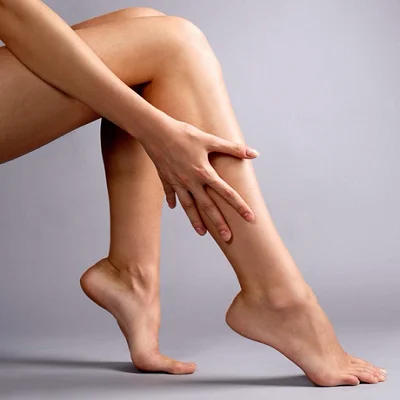
Calf reduction may improve symmetry when one leg has more treatable fat or muscle prominence than the other. A surgeon can assess both calves and plan treatment according to their individual contours rather than applying the same approach automatically to each side. The aim is to create a more proportionate appearance while preserving normal leg function. The degree of improvement depends on anatomy, tissue differences, skin quality, and the selected technique.
The Role of Liposuction in Correcting Uneven Calves
Liposuction may be considered when one calf has more localised fat than the other. The surgeon can remove selected fat deposits to improve the balance between the lower legs. However, liposuction does not reduce muscle size or correct differences caused by bone structure. Careful planning is important because removing too much fat from one area can create dents, irregular contours, or a different type of asymmetry.
Muscle Differences and Leg Symmetry
Differences in calf muscle development can also affect leg symmetry. These variations may result from genetics, physical activity, previous injuries, or differences in how each leg is used. Muscle-reduction procedures may be discussed in selected cases, but they require particular caution because calf muscles support walking, balance, and ankle movement. A specialist must evaluate muscle function and explain the possibility of weakness or other movement-related effects.
Factors That Influence Calf Symmetry
Several factors determine whether calf reduction can improve the balance between the legs:
Fat distribution: Unequal fat deposits may contribute to differences in calf circumference.
Muscle development: One calf may have more prominent muscles due to genetics or activity patterns.
Bone structure: Natural differences in skeletal proportions cannot be corrected through fat removal.
Skin elasticity: Skin quality affects how smoothly the treated area adapts.
Previous injuries: Trauma or surgery may change the appearance of one lower leg.
Medical conditions: Swelling or changes in tissue size may require medical investigation before cosmetic treatment.
Suitability for Calf Reduction to Improve Symmetry
Suitable candidates are generally adults in good overall health who have stable body weight and realistic expectations. The specialist should examine both legs to identify the source and extent of the difference. Medical history, circulation, previous injuries, muscle strength, skin quality, and activity levels should also be reviewed. If one calf has become noticeably larger without an obvious explanation, medical evaluation should come before any cosmetic procedure.
Checkpoint: Important Considerations Before Correcting Uneven Calves
Before choosing calf reduction, patients should understand these important points:
Compare both legs: Assess differences in muscle size, fat distribution, and overall proportions.
Identify the cause: Determine whether asymmetry is natural, fat-related, muscle-related, or caused by swelling.
Set realistic goals: Surgery may improve balance but cannot guarantee identical calves.
Protect muscle function: Consider the effects of any muscle-related procedure on walking and exercise.
Review medical factors: Discuss circulation problems, previous injuries, and relevant health conditions.
Consider skin response: Reduced tissue volume may not always produce completely smooth skin.
Recovery and the Development of Symmetrical Results
Recovery depends on the technique used and whether one or both calves are treated. Swelling, bruising, tenderness, and temporary tightness may occur after surgery. Compression garments may be recommended following liposuction, while muscle-related procedures may require additional monitoring of movement and strength. The appearance of both legs changes as swelling settles, and the final balance should be assessed after sufficient healing rather than immediately after surgery.
Risks and Limitations of Correcting Leg Asymmetry
Calf reduction carries potential risks, including bleeding, infection, fluid collection, scarring, altered sensation, contour irregularities, and uneven healing. Treating one calf differently from the other requires careful planning because excessive tissue removal may make asymmetry more noticeable. Muscle-reduction procedures may also affect strength, balance, nerve function, or walking ability. Natural anatomical differences may remain even after successful treatment.
Frequently Asked Questions
People considering calf reduction for uneven legs often have questions about achievable results and treatment limitations. These answers explain what patients should understand before making a decision.
Can Calf Reduction Surgery Make Both Legs Look Equal?
It may improve visible differences when the asymmetry is caused by treatable fat or muscle prominence. However, exact equality cannot be guaranteed because natural skeletal and tissue differences may remain.
Can Liposuction Correct One Larger Calf?
Liposuction may help when excess fat is the main reason one calf appears larger. It will not correct asymmetry caused by prominent muscles, bone structure, or medical swelling.
Is It Necessary to Treat Both Calves?
Not always. The treatment plan depends on the differences between the legs and the underlying cause. A surgeon may recommend treating one or both calves to achieve a balanced appearance.
Can Exercise-Related Muscle Differences Affect the Results?
Yes. Differences in muscle development can influence the final contour. Patients should discuss their exercise habits and physical activities during consultation so the treatment plan accounts for muscle function.
Is Uneven Calf Size Always a Cosmetic Concern?
No. A naturally larger calf may simply reflect normal anatomical variation. However, sudden enlargement, pain, warmth, redness, or unexplained swelling requires medical assessment rather than cosmetic treatment.
Conclusion
Calf reduction surgery may improve leg symmetry when differences in calf appearance are caused by suitable fat deposits or muscle prominence. The procedure must be planned according to the anatomy and function of each leg, as treating both sides identically may not produce the most balanced outcome. A professional assessment helps identify the cause of asymmetry, explain treatment limitations, and determine whether surgery is an appropriate option.