
 Written by
Hair loss can develop because of hereditary factors, hormonal changes, ageing, nutritional deficiencies, or certain scalp conditions. Stem cell-based hair restoration is an emerging approach that aims to support existing hair follicles and improve the scalp environment through cellular material or cell-derived substances. A Stem Cell Transplant in Dubai may be considered by individuals experiencing hair thinning or reduced hair density, depending on the specific treatment method and their scalp condition. People with weakened but still functioning hair follicles may be potential candidates, although results are not guaranteed. A professional assessment is important to identify the cause of hair loss, evaluate follicle health, and determine whether this regenerative approach is appropriate.
Understanding Stem Cell Hair Restoration
Stem cell hair restoration uses cellular material or biological substances derived from cells to influence the environment surrounding hair follicles. Researchers are studying how these materials may support follicular activity, tissue repair, and the natural hair-growth cycle. Different procedures use different sources, including adipose tissue, hair follicle tissue, or cell-derived preparations. These treatments are not identical, and their effectiveness depends on the biological material and processing method. Unlike conventional hair transplantation, which relocates complete hair follicles, stem cell-based treatments generally aim to support existing follicles rather than physically move them.
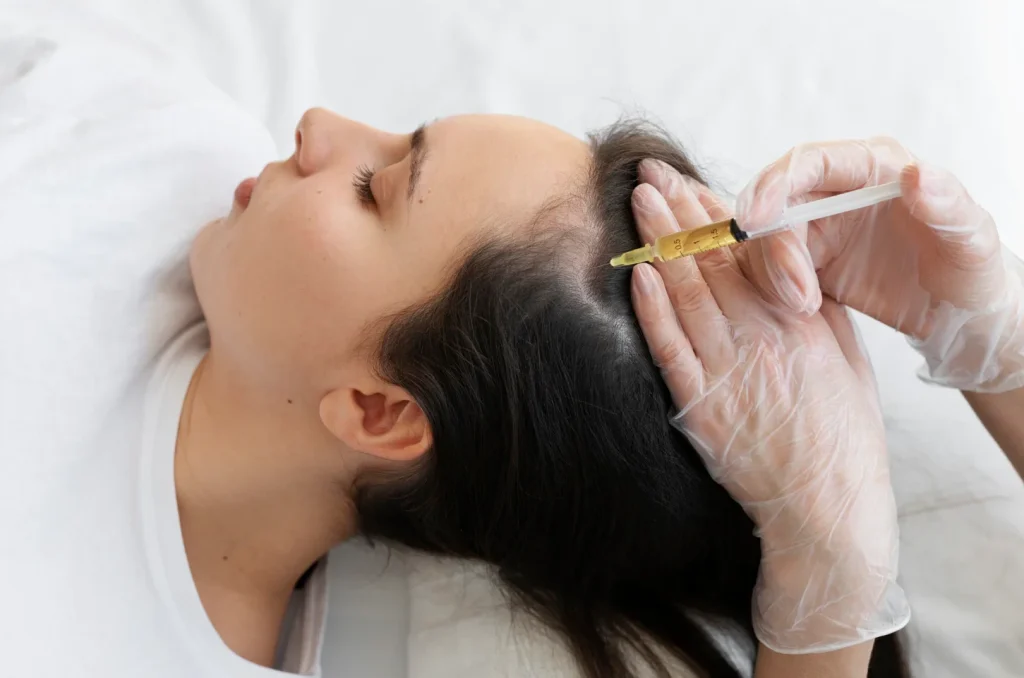
Who Is an Ideal Candidate for Stem Cell Hair Treatment?
The most appropriate candidates depend on the specific treatment being offered. Individuals experiencing early hair thinning, reduced hair thickness, or hereditary hair loss may be considered for certain regenerative approaches. People with functioning but weakened follicles may have more potential to respond than those with completely bald areas where follicles have been permanently lost.
A specialist generally evaluates several factors before recommending treatment, including:
The cause and severity of hair loss.
The number of functioning hair follicles.
The condition and sensitivity of the scalp.
The patient’s medical history.
Previous hair restoration treatments.
Individual expectations and treatment goals.
The assessment helps determine whether stem cell-based treatment is appropriate or whether another established hair-loss treatment would be more suitable.
Candidates Experiencing Early-Stage Hair Thinning
People experiencing early-stage hair thinning may be considered for regenerative hair treatments because some follicles may still be active but producing finer strands. Early intervention can help identify the underlying cause and explore suitable treatment options before hair loss becomes extensive. Stem cell-derived preparations are being investigated for their potential to influence follicular activity and improve hair characteristics. However, patients should understand that early thinning does not automatically make someone suitable, and established treatments may have stronger evidence for certain types of hair loss.
Individuals Experiencing Genetic Hair Loss
Hereditary hair loss, also known as androgenetic alopecia, is a common condition affecting both men and women. It occurs when genetically sensitive hair follicles gradually become smaller, producing thinner and shorter hair. Some stem cell-based treatments are being studied for their potential to support existing follicles affected by this process. Patients with early or moderate hereditary thinning may be considered for certain regenerative procedures, but these treatments do not eliminate the genetic cause of hair loss. Medical management may still be necessary to preserve existing hair.
Can Men and Women Both Be Candidates?
Stem cell-based hair restoration is being researched for both male and female pattern hair loss. Men commonly experience thinning around the temples, frontal hairline, and crown, while women may notice reduced density across the top of the scalp. The treatment approach depends on the pattern and cause of hair loss rather than gender alone. Women experiencing diffuse shedding may need additional investigations to identify hormonal, nutritional, or medical factors. Similarly, men with rapidly progressing hereditary hair loss may require a broader hair-management plan before considering regenerative treatment.
Candidates With Weak but Active Hair Follicles
People with weakened but functioning hair follicles may be potential candidates for certain stem cell-based approaches. These follicles may produce finer strands because of genetic sensitivity, hormonal influences, or other factors. Researchers are investigating whether cellular signals and growth factors can support their activity and improve hair characteristics. However, the response varies between individuals, and there is no guarantee that weakened follicles will become fully productive. A scalp examination and, when appropriate, trichoscopy can help evaluate follicular condition.
Who May Not Be Suitable for Stem Cell Hair Treatment?
Not everyone experiencing hair loss is an appropriate candidate. Individuals with certain medical conditions or unexplained hair shedding may need diagnosis and treatment before considering a regenerative procedure. People with extensive permanent baldness may also have limited potential for improvement because completely destroyed follicles cannot reliably be restored through current stem cell-based treatments. Patients with active scalp infections, inflammatory conditions, or uncontrolled medical problems may need to postpone treatment.
What Medical Factors Are Evaluated Before Treatment?
A comprehensive medical assessment helps determine whether the proposed treatment is appropriate and safe. The specialist reviews the patient’s medical history, examines the scalp, and identifies possible causes of hair loss. Depending on the symptoms, blood investigations may be recommended to assess thyroid function, iron levels, or nutritional deficiencies. The doctor may also review current medications and previous hair restoration procedures. These evaluations help distinguish hereditary thinning from temporary shedding or medical conditions that require a different treatment approach.
Does Age Affect Suitability for Stem Cell Hair Restoration?
Age can influence treatment planning, but it is not the only factor that determines suitability. Younger individuals experiencing rapidly progressing hereditary hair loss may need careful evaluation because their future hair-loss pattern is not yet established. Older adults may also be considered if their scalp condition and general health are appropriate for the proposed procedure. The specialist should assess follicle activity, medical history, and realistic expectations instead of relying on age alone.
What Should Patients Expect From the Results?
Patients should understand that stem cell-based hair restoration is still developing, and results vary according to the type of cellular preparation and the underlying cause of hair loss. Some clinical studies have reported improvements in hair density and thickness, but the findings from one preparation cannot automatically be applied to another. Treatment may support existing follicles, but complete regrowth is not guaranteed. Patients should discuss realistic outcomes, follow-up requirements, and the available evidence for the exact product or procedure being offered.
Why Is Choosing a Qualified Specialist Important?
Choosing a qualified medical professional is essential because treatments marketed as stem cell hair transplants can involve different biological preparations. Patients should ask whether the procedure uses actual stem cells, adipose-derived cellular fractions, conditioned media, or other cell-derived substances. They should also understand how the material is collected, processed, and administered. Regulatory status, sterility standards, possible complications, and published clinical evidence should be discussed before treatment. Stem cell-based hair restoration should not be presented as a guaranteed or universally approved solution for hair loss.
Conclusion
Suitable candidates for stem cell hair restoration may include individuals experiencing early or moderate hair thinning with functioning follicles. Both men and women may be considered, depending on their hair-loss pattern, scalp condition, and medical history. However, the procedure is still an evolving area of regenerative medicine, and its effectiveness depends on the exact treatment preparation. A professional assessment helps determine whether this approach is appropriate or whether established hair restoration options may provide more reliable benefits.
Frequently Asked Questions
1. Who is the best candidate for stem cell hair transplantation?
Individuals experiencing early hair thinning with functioning follicles may be potential candidates, depending on the treatment method and medical assessment.
2. Can women undergo stem cell hair restoration?
Yes. Women may be considered for certain regenerative hair treatments, particularly when they experience pattern hair thinning and have suitable scalp conditions.
3. Is stem cell hair treatment suitable for genetic hair loss?
It is being investigated for hereditary hair loss. However, it does not eliminate genetic sensitivity, and established hair-loss treatments may still be necessary.
4. Can people with complete baldness benefit from stem cell treatment?
People with completely destroyed hair follicles may have limited potential for improvement. Stem cell-based treatments cannot reliably create new functional follicles in permanently bald areas.
5. Does age affect eligibility for stem cell hair treatment?
Yes, age may influence treatment planning, particularly when hair loss is still progressing. However, follicle condition and general health are also important.
6. Do I need a scalp examination before treatment?
Yes. A scalp examination helps evaluate follicle activity, identify the cause of hair loss, and determine whether the proposed treatment is appropriate.
7. Can people with hormonal hair loss receive stem cell treatment?
Some hormonal hair-loss conditions may be considered for regenerative treatment research, but the underlying hormonal problem should first be properly diagnosed and managed.
8. Is stem cell hair treatment suitable for people with weak hair follicles?
Potentially. Certain treatments are being investigated for their ability to support weakened but functioning follicles. Results are not guaranteed.
9. Can someone with a previous hair transplant undergo stem cell treatment?
Possibly, depending on scalp condition, previous surgical results, and the proposed cellular preparation. A specialist should assess the treated area before recommending another procedure.