
 Written by
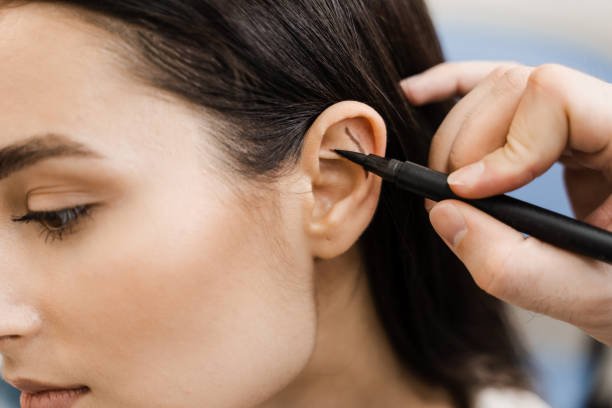 Deciding whether Ear Reshaping in Dubai is worth considering involves more than comparing photographs or focusing on a single aesthetic concern. Otoplasty may help people who feel that prominent ears or selected cartilage differences affect their appearance. However, suitability depends on anatomy, personal goals, health, and willingness to accept the risks and recovery involved. A balanced understanding of possible outcomes can help patients decide whether surgery aligns with their expectations.
What Ear Reshaping in Dubai Can Achieve
Otoplasty changes selected features of the external ear. Depending on the underlying structure, the procedure may reduce projection, improve the definition of cartilage folds, or adjust the position of the ears.
The objective is generally to create a more balanced appearance that complements the patient’s facial proportions.
Common Aesthetic Goals
Patients may consider treatment to address:
Ears that project noticeably from the head.
An underdeveloped natural ear fold.
A prominent conchal bowl.
Differences in ear shape or positioning.
Longstanding concerns about the appearance of the ears.
The appropriate treatment depends on the structural cause of the concern.
Evaluating Whether Surgery Matches Your Expectations
Before deciding on surgery, patients should identify what they want to change and discuss whether those changes are achievable.
Understanding Realistic Results
Otoplasty can improve selected ear features, but it cannot guarantee perfect symmetry or an exact result based on a photograph.
Natural differences between the ears may remain. The final appearance also depends on healing, cartilage response, and the surgical technique selected.
A useful consultation should explain both the expected improvement and the limitations of the procedure.
Weighing the Potential Benefits Against Surgical Risks
For some individuals, improving a feature that has caused persistent aesthetic concern may feel worthwhile. However, the possible benefits should be considered alongside the medical risks.
Potential Advantages of Otoplasty
Depending on the patient’s anatomy and goals, treatment may:
Reduce excessive ear projection.
Improve selected cartilage contours.
Create a more balanced appearance between the ears.
Address longstanding concerns about prominent ears.
Provide a change that is intended to be long-lasting.
These are possible treatment outcomes, not guaranteed results.
Understanding Possible Complications
Otoplasty carries risks, including bleeding, infection, hematoma, delayed healing, visible scars, altered sensation, cartilage irregularities, asymmetry, suture-related problems, and recurrence.
Some patients may require additional treatment or revision surgery. These considerations should be discussed before consent.
Recovery and Lifestyle Considerations
The decision should also account for the recovery period. Patients may experience swelling, tenderness, bruising, and temporary changes in sensation.
Dressings or a protective headband may be recommended. Contact sports, strenuous exercise, and activities that could place pressure on the ears may need to be restricted for a period determined by the surgeon.
Planning for Time Away From Daily Activities
Patients should consider their work, school, exercise, and family responsibilities when planning treatment. Following aftercare instructions and attending follow-up appointments are important parts of the process.
Questions to Ask Before Choosing Otoplasty
A consultation is an opportunity to understand the procedure beyond its aesthetic appeal.
Consider asking:
What anatomical feature is causing my ear concern?
Which surgical technique may be appropriate?
What degree of change is realistic?
What complications should I understand?
What will recovery involve?
What happens if the result is uneven or changes over time?
These questions can help patients evaluate whether the procedure is appropriate for their circumstances.
Clinic Note: Whether otoplasty is worthwhile is a personal decision. A thorough consultation should balance the patient’s goals with anatomy, surgical risks, recovery requirements, and the possibility of imperfect or changing results.
Frequently Asked Questions
Is ear reshaping worth considering for prominent ears?
It may be worth considering for suitable patients who want to change ear projection and understand the procedure’s risks and limitations.
Will the result look completely natural?
The goal is a natural-looking contour, but individual healing and anatomical differences influence the outcome.
Does ear reshaping require time away from work or school?
Some time away may be necessary, depending on the procedure and the patient’s daily activities. The surgeon provides individualized guidance.
Can I decide against surgery after a consultation?
Yes. A consultation provides information and an opportunity to consider options. Patients should proceed only when they feel informed and comfortable.
Making an Informed Decision About Ear Reshaping in Dubai
The value of otoplasty depends on whether its potential benefits align with a patient’s personal goals and medical suitability. Tajmeels Clinic supports informed aesthetic decisions through individualized assessment, treatment discussions, and realistic guidance about possible outcomes and recovery.