
 Written by
Scars can develop after injuries, surgery, burns, acne, or other forms of skin damage, sometimes leaving lasting changes in skin texture and appearance. For individuals exploring Scar Laser Removal in Dubai, including those researching treatment options at Dynamic Clinic in Dubai, an important question is whether laser procedures can also prevent new scars from forming.
Scar laser removal can improve the appearance of existing scars, but it does not guarantee protection against future scar formation. Laser treatments may support healthier skin texture and stimulate collagen remodelling, depending on the technology used. However, preventing new scars largely depends on how the skin heals after an injury and how the affected area is cared for.
How Does Scar Formation Occur?
A scar forms when the skin repairs itself after damage. During the healing process, the body produces collagen to rebuild the affected tissue. The amount, arrangement, and distribution of this collagen influence the final appearance of the scar.
Several factors can affect scar development:
Injury depth: Deeper wounds may damage multiple skin layers and produce more noticeable scars.
Genetics: Some individuals are naturally more likely to develop raised or thick scars.
Inflammation: Prolonged inflammation can interfere with normal wound healing.
Infection: Bacterial infections may delay recovery and increase scarring.
Skin tension: Repeated stretching or movement around a healing wound can affect scar formation.
Understanding these factors helps explain why removing or improving an existing scar does not automatically prevent another one.
Can Laser Treatment Prevent New Scars?
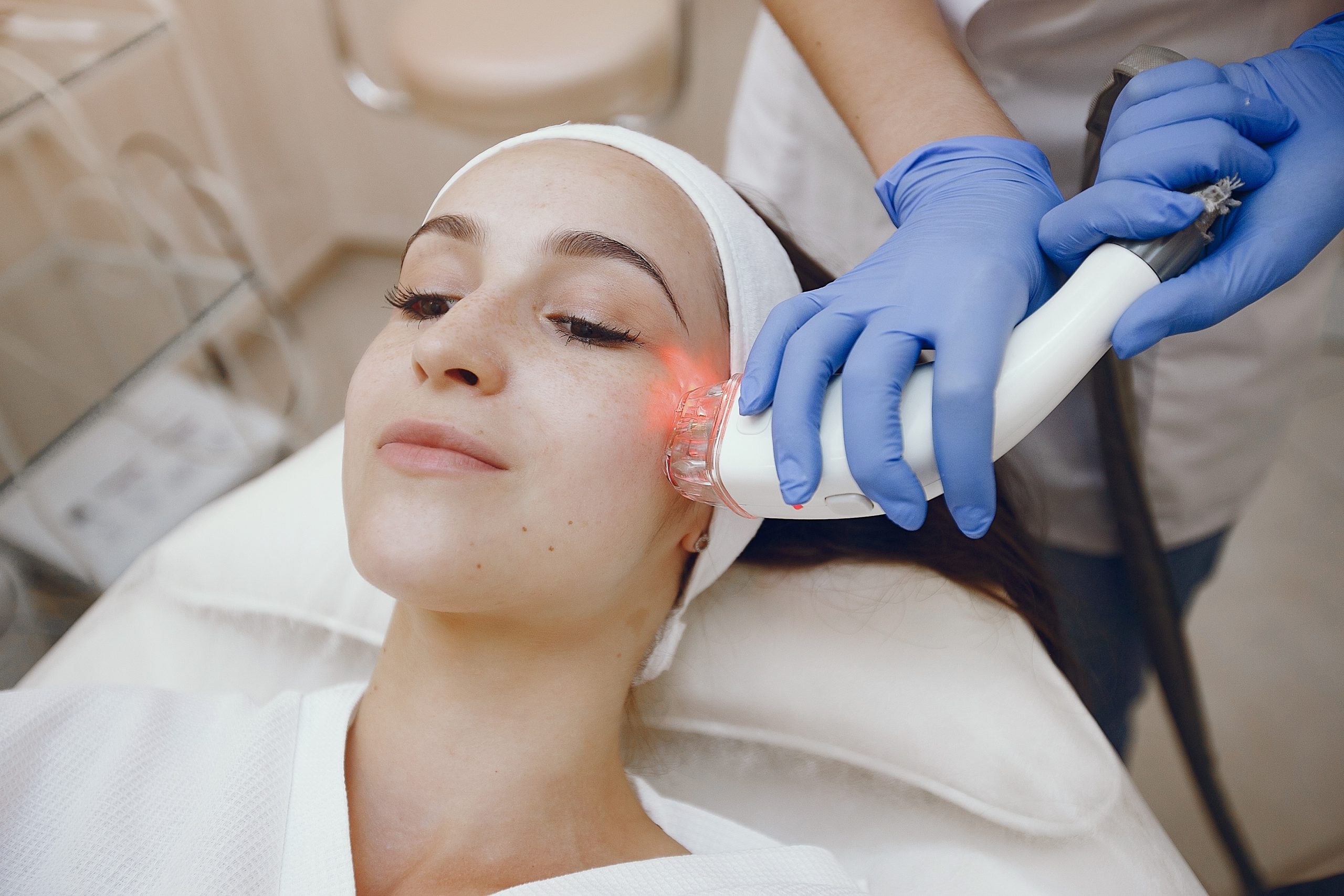
Laser treatment primarily focuses on improving existing scar tissue rather than preventing every future scar. Different laser technologies target different skin concerns, including uneven pigmentation, raised tissue, irregular texture, and collagen changes.
Certain fractional laser procedures create controlled microscopic areas of thermal injury within the skin. This process encourages the body’s natural repair response and supports collagen remodelling.
Other laser technologies target redness or excess pigmentation associated with particular scars.
Although these treatments may improve the condition of previously damaged skin, they cannot stop scars from developing after future injuries, surgeries, or inflammatory skin conditions.
How Does Laser Treatment Support Skin Healing?
Laser procedures can influence the appearance and structure of scar tissue through several biological processes.
1. Collagen remodelling
Some laser treatments stimulate collagen production and encourage existing collagen fibres to reorganise. This may gradually improve uneven skin texture and certain depressed scars.
2. Reduction of visible redness
Vascular laser technologies target blood vessels responsible for persistent redness in selected scars. This can make the affected area appear more even.
3. Improvement in pigmentation
Pigment-targeting lasers may help reduce certain dark marks associated with previous skin injuries. Results depend on the type of pigmentation and individual skin characteristics.
4. Smoother skin texture
Fractional treatments can improve the appearance of selected rough or uneven scars by encouraging controlled skin renewal.
These effects vary according to the laser technology, scar type, skin tone, and healing response.
What Factors Increase the Risk of Future Scars?
Even after successful scar treatment, several conditions can contribute to new scar formation. Recognising these risks is important for maintaining healthy skin.
Common factors include:
Acne breakouts: Deep inflammatory acne can damage surrounding skin tissue and leave permanent marks.
Repeated skin injuries: Cuts, burns, and abrasions may create new scars during healing.
Picking or scratching: Disturbing healing skin can increase inflammation and tissue damage.
Delayed wound care: Poor wound management may increase the likelihood of complications.
Abnormal collagen production: Excessive collagen formation can contribute to hypertrophic scars and keloids.
People with a history of raised scars may need additional precautions when undergoing skin procedures.
How Can You Reduce the Risk of New Scar Formation?
Although no method can eliminate scarring completely, appropriate skin care and wound management can reduce avoidable damage.
Consider these practical measures:
Keep fresh wounds clean and follow appropriate wound-care instructions.
Avoid scratching, picking, or removing healing scabs.
Protect healing skin from direct sunlight.
Use sunscreen on healed areas to reduce pigmentation changes.
Follow professional advice when using silicone-based scar gels or sheets.
Seek medical attention if a wound shows signs of infection.
Avoid unnecessary irritation around recently treated skin.
For individuals with a history of abnormal scarring, professional assessment before cosmetic procedures is particularly important.
Does Previous Scar Laser Treatment Change Future Skin Healing?
Previous laser treatment does not make skin completely resistant to future injuries or scarring. However, improvements in the appearance and texture of existing scar tissue may make the treated area look more uniform.
The response depends on the procedure performed and the condition of the skin.
For example, fractional laser treatment may improve certain depressed acne scars, while vascular laser treatment may reduce redness in selected raised scars. Neither approach guarantees that the treated area will heal without scarring if it becomes injured again.
Treatment timing also matters. Allowing the skin to recover fully between procedures helps reduce unnecessary irritation and supports the healing process.
When Should Scar Formation Be Medically Assessed?
Some scars develop beyond the original injury site, become increasingly raised, or cause discomfort. These changes may indicate hypertrophic scarring or keloid formation.
A medical assessment is recommended when a scar:
Continues growing after the original wound has healed.
Extends beyond the boundaries of the initial injury.
Causes persistent itching, tenderness, or discomfort.
Becomes increasingly thick or firm.
Shows unusual changes in colour or texture.
Early assessment can help identify the scar type and determine suitable management options. People prone to keloids may require specialised treatment planning because certain procedures can sometimes trigger additional scar formation.
Conclusion
Scar laser removal can improve existing scar appearance by supporting collagen remodelling, reducing selected pigmentation concerns, and improving uneven skin texture. However, it cannot guarantee prevention of future scars. New scar formation depends on injury severity, genetics, inflammation, wound care, and individual healing responses. Combining appropriate treatment planning with good skin protection and timely wound management offers a more effective approach to maintaining healthier-looking skin.