
 Written by
Children with prominent or uneven ears may feel self-conscious about their appearance, especially when they begin school and interact more frequently with other children. Ear reshaping surgery, also known as otoplasty, can help improve ear shape, position, and proportion. Parents considering Ear Reshaping in Dubai should understand the recommended age for treatment, how ear development affects surgical planning, and whether their child is physically and emotionally ready for the procedure.
The Recommended Age for Ear Reshaping Surgery in Children
Ear reshaping surgery is commonly considered from around five to six years of age because the ears have usually reached most of their adult size by this stage. Performing surgery after sufficient ear development allows the surgeon to reshape the cartilage and improve the position of the ears. However, age alone does not determine suitability. A qualified surgeon must assess the child’s ear structure, general health, and ability to cooperate with treatment and follow postoperative instructions.
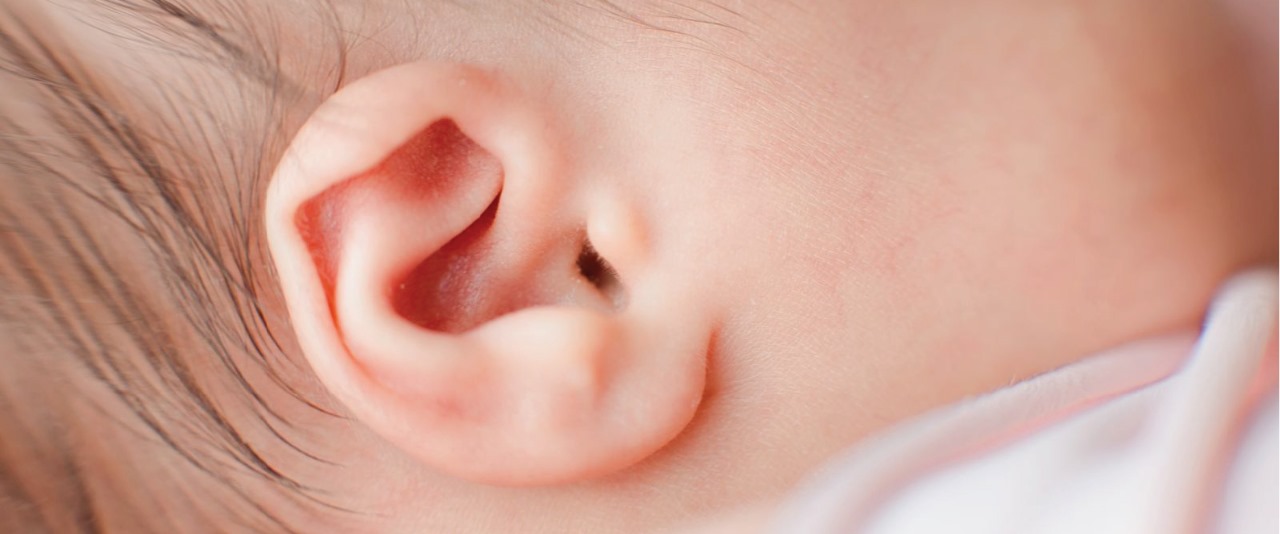
The Importance of Ear Development Before Surgery
A child’s ears develop rapidly during the early years of life, and most of their growth occurs before school age. By approximately five or six years, the cartilage is generally developed enough for many common otoplasty techniques. Operating at an appropriate stage can help correct prominent ears or certain structural differences while the cartilage remains relatively flexible. The surgeon evaluates the shape, size, position, and symmetry of both ears to determine whether surgery is appropriate for the child’s individual needs.
Reasons Parents Consider Ear Reshaping for Children
Parents may explore otoplasty when their child has ears that protrude noticeably from the head, appear uneven, or have a shape that causes concern. Some children also experience teasing or unwanted attention because of their ear appearance. Surgery may improve ear proportions and bring prominent ears closer to the head, depending on the underlying cartilage structure. Parents should discuss the child’s concerns with a qualified surgeon and avoid presenting surgery as necessary simply because the ears look different from those of other children.
The Role of Emotional Readiness in Childhood Otoplasty
Emotional readiness is an important part of deciding whether a child should undergo ear reshaping surgery. Children should be able to understand the procedure in age-appropriate language and express their feelings about the proposed treatment. It is helpful when the child personally wants the change rather than feeling pressured by family members or others. Parents should discuss expectations openly and ensure that the child understands that healing takes time and that the final appearance may not be perfectly symmetrical.
Medical Assessment Before Ear Reshaping Surgery
Before recommending surgery, the surgeon reviews the child’s medical history, examines the ears, and checks for any conditions that could affect anesthesia, healing, or recovery. The assessment may include a discussion of previous medical problems, allergies, medications, and any history of bleeding or healing difficulties. The surgeon also explains the proposed technique, expected results, potential risks, and aftercare requirements. Surgery should proceed only when the child’s health and individual circumstances make the procedure appropriate.
Checkpoint: Factors That Influence the Right Age
Ear development: The ears should be sufficiently developed for the planned correction.
General health: The child should be medically suitable for surgery and anesthesia.
Personal willingness: The child should show an appropriate level of understanding and willingness.
Family support: Parents or guardians should be prepared to supervise recovery and follow medical instructions.
Realistic expectations: The child and family should understand that results vary and perfect symmetry cannot be guaranteed.
Professional evaluation: A qualified surgeon should determine the appropriate timing after an individual examination.
Recovery After Ear Reshaping Surgery in Children
Recovery varies depending on the surgical technique and the child’s healing response. After otoplasty, children may experience temporary swelling, bruising, tenderness, or discomfort around the ears. A protective dressing or headband may be recommended to support the ears during early healing. Parents should follow instructions about keeping the surgical area clean, taking prescribed medication, attending follow-up appointments, and limiting activities that could bend or injure the ears. Contact sports and other activities involving pressure on the ears should be avoided until the surgeon confirms they can safely resume.
Potential Risks of Childhood Otoplasty
Like other surgical procedures, ear reshaping carries potential risks, including bleeding, infection, scarring, changes in skin sensation, and differences in ear symmetry. In some cases, cartilage may gradually move toward its previous position, or further treatment may be needed. Anesthesia also carries risks that must be discussed with the medical team. Parents should ask the surgeon about the risks relevant to their child’s health and understand the importance of following postoperative instructions to support healing.
Frequently Asked Questions
Can a Five-Year-Old Child Have Ear Reshaping Surgery?
Some five-year-old children may be suitable for otoplasty because their ears have usually reached most of their adult size. However, the decision depends on the child’s ear development, general health, emotional readiness, and the surgeon’s assessment. Parents should arrange a consultation rather than assuming that every child is ready at the same age.
Is Ear Reshaping Surgery Better Before School Age?
Otoplasty is often considered before or during the early school years because children may become more aware of differences in appearance as they interact with peers. Some families prefer to discuss treatment before school-related social concerns arise. Nevertheless, surgery is a personal decision, and the timing should be based on the child’s needs rather than school schedules alone.
Can Teenagers Have Ear Reshaping Surgery?
Yes, teenagers may be suitable candidates for ear reshaping surgery if their ears are fully developed and they are in good general health. Their personal motivation, understanding of the procedure, and expectations should be considered during consultation. Parental or guardian consent requirements also apply according to local regulations.
Does Ear Reshaping Surgery Affect Hearing?
Otoplasty generally focuses on changing the external shape or position of the ears and is not intended to alter hearing. However, any concerns about hearing should be discussed with a healthcare professional before surgery. The surgeon can explain the procedure’s scope and whether further assessment is needed.
How Long Does Recovery Take for Children?
Initial recovery often takes one to two weeks, although swelling and changes in the appearance of the ears can continue to settle over several weeks. Children may need to avoid strenuous activity and contact sports for longer, depending on the surgeon’s advice. Parents should follow the individual recovery plan and attend all recommended follow-up visits.
Professional Guidance at Dynamic Life Clinic
Parents considering ear reshaping for a child should seek an individual consultation with a qualified plastic surgeon. The consultation provides an opportunity to discuss the child’s concerns, examine the ear structure, review medical suitability, and understand the potential benefits and limitations of otoplasty. A personalized treatment plan should account for the child’s development, comfort, and recovery needs, with clear guidance for parents before and after surgery.
Conclusion
Ear reshaping surgery is commonly considered from around five to six years of age, when the ears have usually reached most of their adult size. The most suitable age depends on more than physical development; the child’s health, emotional readiness, personal wishes, and ability to follow recovery instructions also matter. A professional assessment can help parents determine whether otoplasty is appropriate and when it may be safest to proceed.