
 Written by
City life does not stop when the rain begins. From cycling to work and walking between appointments to running everyday errands, a reliable coat can make wet weather much easier to manage. The right design should protect against rain and wind while remaining comfortable enough for long days outdoors.
Choosing the best coats for rainy city weather involves more than picking a coat that looks good. Waterproof performance, breathability, fit, length and practical details all influence how well a coat works during daily activities. Understanding these features can help you choose outerwear that suits both your routine and the changing weather.
1. Look for Reliable Waterproof Protection
A city raincoat should offer dependable protection when showers become heavier or last longer than expected. Waterproof fabrics are designed to prevent rain from passing through the material, helping keep clothing underneath dry.
One useful measurement is the water column rating, expressed in millimetres. It indicates how much water pressure a fabric can withstand before moisture penetrates it. A higher rating generally means stronger waterproof resistance, although the construction of the entire garment also matters.
Sealed or bonded seams are particularly important because water can enter through stitching. Waterproof zips, storm flaps and adjustable cuffs provide additional protection around openings. These details make a difference when walking through persistent rain or cycling across town.
2. Choose Breathable Materials for Daily Comfort
Waterproof protection is only one part of a comfortable raincoat. When walking quickly, cycling or using public transport, the body naturally produces warmth and moisture. Without adequate ventilation, that moisture can build up inside the coat.
A breathable rain jacket allows water vapour to escape while helping prevent external rain from entering. This balance is especially useful for people who move between outdoor and indoor environments throughout the day.
Look for breathable membranes, lightweight technical fabrics and ventilation features where appropriate. A coat should feel comfortable over ordinary clothing without becoming too warm during active journeys. Breathability is an important consideration when comparing different urban rainwear options.
3. Consider the Right Coat Length
Coat length affects both coverage and ease of movement. A shorter waterproof jacket can work well for quick journeys and active routines, particularly when freedom around the legs is important.
Mid-length coats offer a useful balance for everyday wear. They provide more coverage than cropped jackets while remaining practical for walking, commuting and getting on a bicycle. Longer raincoats protect more of the body and can be especially useful during windy or persistent rain.
Think about the clothes you usually wear underneath. If you often wear dresses, skirts or longer layers, an extended silhouette may provide more consistent coverage. The most suitable length depends on your daily activities and personal preference.
4. Check the Fit and Adjustable Features
A practical raincoat should leave enough room for comfortable movement and additional layers. A very tight fit can restrict movement, while an excessively loose design may allow wind and rain to enter.
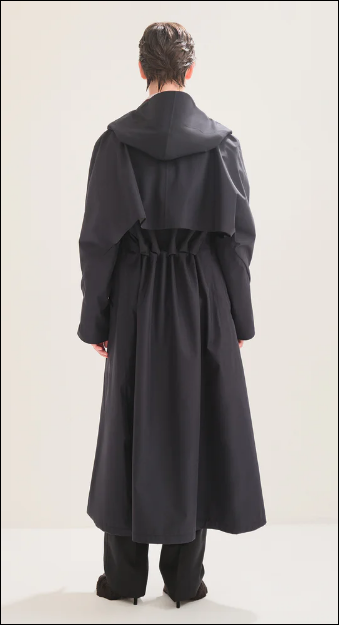
Adjustable hoods, cuffs and waist details help create a more secure fit. A well-designed hood should stay in place without blocking peripheral vision. Drawstrings or adjustable fastenings can also help you adapt the coat to changing conditions.
For cycling, consider whether the coat allows you to move your arms freely and sit comfortably. Features such as two-way zips, leg coverage and reflective details can be useful depending on how you travel around the city.
5. Prioritise Useful Everyday Details
Small design features can make a raincoat much more convenient. Secure pockets help protect essentials such as keys, phones and travel cards. Waterproof or covered zips offer extra reassurance in wet conditions.
A two-way front zip can improve comfort when sitting or cycling, while a packable design is useful when the weather changes throughout the day. Reflective elements may also improve visibility during darker mornings and evenings.
Before choosing a coat, consider which details you will genuinely use. A simple design with well-considered features can be more practical than one with unnecessary extras.
6. Think About Sustainability and Durability
A coat that lasts for several seasons can be a more considered purchase than one that needs frequent replacement. Durable construction, repair options and easy care all contribute to a garment’s useful lifespan.
Some rainwear uses recycled polyester or other recycled materials to reduce reliance on newly produced resources. It is also worth checking whether a brand explains its fabric composition, manufacturing process and waterproof technology clearly.
Care matters too. Follow the garment’s washing instructions, avoid fabric softener when the care label advises against it, and refresh the water-repellent finish when necessary. Proper maintenance can help preserve performance over time.
7. Balance Practicality with Personal Style
A city coat is often worn throughout the week, so it should work with different outfits and occasions. Neutral colours can be easy to combine with everyday clothing, while a distinctive shade can add character to a simple look.
The best coats for rainy city weather should fit naturally into your routine rather than being reserved for heavy downpours. Consider whether the silhouette works with workwear, casual outfits and the layers you wear most often.
Brands such as BYBROWN approach rainwear with a focus on technical performance and contemporary design, showing that practical weather protection can also have a considered appearance.
Conclusion
Choosing a comfortable raincoat means looking beyond appearance. Waterproof construction, breathability, suitable length, adjustable features and durable materials all contribute to better everyday performance. The best coats for rainy city weather are the ones that match your routine, provide dependable protection and feel comfortable across changing conditions. With thoughtfully designed rainwear from labels such as BYBROWN, wet-weather dressing can become a practical and stylish part of city life.
FAQs
1. What should I look for in a city raincoat?
Choose waterproof fabric, sealed seams, breathable construction, a comfortable fit and practical details such as adjustable hoods and secure pockets for everyday commuting.
2. Is a longer raincoat better for rainy weather?
A longer coat offers additional coverage for your legs and clothing, making it useful during persistent rain, windy conditions and everyday outdoor journeys.
3. Why is breathability important in a waterproof coat?
Breathable materials allow body moisture to escape, helping reduce condensation and discomfort when walking, cycling or moving between outdoor and indoor environments.
4. Are lightweight raincoats suitable for everyday use?
Yes, lightweight raincoats are convenient for commuting and changing weather, provided they offer suitable waterproof protection, durable construction and a comfortable fit.
5. How can I maintain my waterproof raincoat?
Follow its care label, use suitable detergent, avoid fabric softener when advised, dry it correctly and renew the water-repellent finish when necessary.