
 Written by
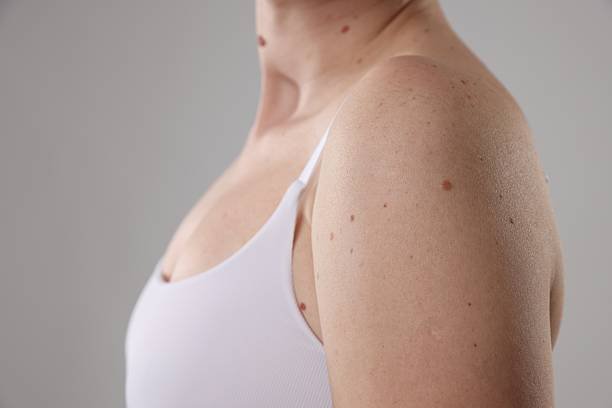 Birthmarks vary in colour, size, shape, and depth, and their treatment depends on the type of skin mark involved. Birthmark removal in Dubai may involve laser procedures or other dermatological approaches, depending on whether the mark is caused by excess pigment, visible blood vessels, or a different skin condition. A professional assessment helps determine whether treatment is appropriate and which option may offer the most suitable outcome.
Some birthmarks are harmless and require no intervention, while others may benefit from monitoring or medical treatment. Understanding the differences between birthmark types is an important first step before considering cosmetic improvement.
Understanding Different Types of Birthmarks
Birthmarks are generally grouped into two broad categories: vascular and pigmented. Each category has different characteristics and may respond to different treatments.
Vascular Birthmarks and Their Characteristics
Vascular birthmarks develop from blood vessels that have formed differently beneath the skin. They may appear pink, red, purple, or sometimes darker depending on the individual’s skin tone.
Common examples include:
Port-wine stains: Flat patches that may appear pink, red, or purple and often remain throughout life.
Salmon patches: Light pink areas commonly found around the forehead, eyelids, or back of the neck. Many fade naturally during childhood.
Haemangiomas: Blood-vessel growths that may appear as raised red or bluish marks. Some change considerably as a child grows.
Certain vascular birthmarks may respond to specialised vascular laser treatment. However, not every mark requires treatment, and some need medical monitoring rather than cosmetic procedures.
Pigmented Birthmarks and Skin Discolouration
Pigmented birthmarks develop because of localised concentrations or changes in pigment-producing cells. They can range from light brown to dark brown, blue-grey, or black.
Examples include:
Café-au-lait spots, which are usually flat, light-brown patches.
Congenital melanocytic naevi, which are moles present at birth or developing shortly afterwards.
Mongolian spots, which commonly appear blue-grey and are often found on the lower back or buttocks.
Other localised pigment marks that may need specialist identification.
Some pigmented lesions may be considered for laser treatment, but others are unsuitable. In particular, a mole or changing pigmented mark should be medically assessed before any cosmetic removal is considered.
How Birthmark Removal in Dubai Is Planned
A suitable treatment plan starts with identifying the type of birthmark rather than choosing a procedure based only on its colour or appearance. Two marks that look similar may have different underlying structures and require different approaches.
Skin Assessment Before Birthmark Treatment
During an initial consultation, the practitioner may consider:
The birthmark’s colour, shape, size, and location.
Whether it is flat, raised, or uneven in texture.
How long it has been present and whether it has changed.
The individual’s skin tone and history of pigmentation.
Previous treatments and any reactions to them.
Relevant medical conditions and medications.
A dermatologist may use a closer visual examination or a specialised skin examination tool when needed. If a lesion looks suspicious, further assessment or a biopsy may be recommended before cosmetic treatment.
Selecting an Appropriate Treatment Method
The choice depends on the diagnosis and the tissue responsible for the mark.
| Birthmark type | Possible treatment approach |
|---|---|
| Selected red or pink vascular marks | Vascular laser treatment |
| Certain superficial pigmented marks | Pigment-targeting laser, when appropriate |
| Some raised or complex lesions | Medical management or surgical assessment |
| Marks that may change naturally | Observation and monitoring |
Laser treatment is not a universal solution for every birthmark. Some marks may lighten rather than disappear completely, and certain lesions are better managed with medication, surgery, or observation.
How Laser Technology Works on Birthmarks
Laser procedures use selected wavelengths of light to target specific structures in the skin. The treatment approach depends on whether the intended target is pigment or blood vessels.
Laser Treatment for Vascular Birthmarks
For selected vascular birthmarks, the laser energy is absorbed by blood-related colour within the targeted vessels. The resulting heat affects those vessels, allowing the body to gradually clear the treated structures.
A vascular laser may be considered for conditions such as port-wine stains. The response varies according to the depth, size, location, and characteristics of the mark. Multiple sessions may be needed.
Laser Treatment for Pigmented Birthmarks
Some pigment-targeting lasers act on melanin or pigment-containing structures. The goal is to break down or reduce the targeted pigment while limiting effects on surrounding skin.
Results depend on pigment depth, lesion type, skin tone, and the selected device. Not all brown or dark marks are suitable for this approach. A mole should never be treated as a simple cosmetic pigment spot without appropriate medical evaluation.
What to Expect During a Birthmark Removal Session
Once a practitioner confirms that a particular treatment is suitable, the appointment can be planned around the birthmark’s characteristics and the selected technology.
Preparing the Skin Before Treatment
Before an appointment, patients should:
Follow the clinic’s instructions about cleansing and skincare.
Avoid tanning and report any recent sun exposure.
Disclose medicines, supplements, allergies, and previous skin reactions.
Mention any history of pigmentation changes or unusual scarring.
Ask whether a test spot or patch test is appropriate.
Do not stop prescribed medication or apply strong skincare products without professional guidance.
During the Procedure
The treatment area is examined and prepared according to the selected procedure. Protective eyewear is important whenever laser equipment is used. The practitioner then applies the device to the targeted area using settings selected for the individual’s skin and lesion.
The sensation can vary. Some people describe brief warmth, tingling, or snapping sensations. Cooling or other comfort measures may be used depending on the technology and treatment plan.
The appointment length depends on the size and location of the birthmark.
Aftercare and Skin Recovery
Temporary redness, swelling, sensitivity, or changes in the treated area may occur. Some vascular laser procedures can also cause bruising, while certain pigment treatments may produce temporary darkening, lightening, or crusting.
Aftercare instructions may include:
Keeping the area clean and following the recommended skincare routine.
Avoiding scratching, rubbing, or picking at the treated skin.
Protecting the area from direct sunlight.
Using sun protection as advised by the practitioner.
Avoiding unapproved creams or active skincare products during recovery.
Contact the treating clinic if the area develops worsening pain, spreading redness, significant blistering, discharge, or other unexpected symptoms.
Factors That Influence Birthmark Treatment Results
Treatment response is not identical for everyone. Several factors influence how much a birthmark may improve and how many appointments may be needed.
Birthmark Depth, Colour, and Size
The depth of the affected pigment or blood vessels can influence how effectively a treatment reaches its intended target. Larger or deeper marks may require a longer treatment plan than small, superficial areas.
Colour also matters because different laser systems target different structures. A device suitable for a red vascular mark may not be appropriate for a brown pigmented lesion.
Skin Tone and Pigmentation History
Skin tone is an important part of treatment planning. Some laser settings can increase the likelihood of temporary or persistent pigment changes, particularly when the surrounding skin contains more melanin.
A practitioner should consider the individual’s skin characteristics, recent tanning, and history of post-inflammatory pigmentation before selecting a device and settings.
Number of Sessions and Follow-Up
Some birthmarks respond gradually and require several appointments separated by suitable recovery intervals. The number of sessions cannot be accurately determined without examining the lesion and considering its response to treatment.
Follow-up assessments help the practitioner evaluate changes and decide whether further treatment is appropriate.
Safety Considerations Before Birthmark Removal
A cosmetic concern should never take priority over an accurate diagnosis. Although many birthmarks are harmless, some pigmented lesions need monitoring or investigation.
When a Birthmark Needs Medical Assessment
Arrange a professional evaluation if a birthmark:
Changes in size, shape, colour, or texture.
Starts bleeding, itching, or causing discomfort.
Develops an uneven or unusual appearance.
Becomes raised or noticeably different from its previous appearance.
Is located near an area where it may affect vision or another important function.
A suspicious mole or lesion should be assessed before laser treatment. Laser procedures should not be used to conceal or destroy a lesion that requires diagnostic examination.
Possible Side Effects of Laser Procedures
Depending on the treatment, possible effects include temporary redness, swelling, bruising, tenderness, crusting, and changes in skin colour. Less common complications may include burns, infection, scarring, or longer-lasting pigmentation changes.
A consultation should cover the expected recovery, possible risks, alternative treatments, and realistic outcomes before proceeding.
Clinic Note
Birthmark treatment should begin with identifying the exact type of mark. Laser technology can improve the appearance of selected vascular and pigmented birthmarks, but it is not suitable for every lesion. A personalised assessment helps establish whether treatment is appropriate and what level of improvement may realistically be expected.
Frequently Asked Questions
Can all birthmarks be removed with laser treatment?
No. Some vascular and pigmented birthmarks may respond to laser treatment, while others require observation, medication, surgery, or further investigation. Suitability depends on the diagnosis.
How many sessions are needed for birthmark removal in Dubai?
There is no fixed number. The treatment plan depends on the birthmark’s type, size, depth, location, and response to each session.
Is birthmark laser treatment suitable for every skin tone?
Not automatically. Skin tone and pigmentation history influence device selection and settings. A practitioner should assess these factors before treatment.
Can a birthmark disappear completely after treatment?
Some marks may improve substantially, while others only become lighter or less noticeable. Complete removal cannot be guaranteed, and outcomes vary.
Is it safe to laser a dark mole?
A dark mole should first be examined by an appropriate medical professional. If there is any concern about its nature, diagnostic assessment takes priority over cosmetic laser treatment.
Do birthmarks sometimes fade without treatment?
Yes. Certain birthmarks, including many salmon patches and infantile haemangiomas, may fade or shrink naturally. Others, such as many port-wine stains and pigmented moles, may persist.
Explore Birthmark Treatment Options at Tajmeels Clinic
Choosing a suitable approach requires more than assessing the visible colour of a birthmark. Its structure, depth, location, and medical characteristics all influence the treatment decision.
For individuals considering Birthmark removal in Dubai, Tajmeels Clinic offers an opportunity to discuss skin concerns and explore suitable aesthetic treatment options. A professional consultation can help clarify whether laser treatment is appropriate, what alternatives may be available, and what results can realistically be expected.