


Lithium Strip: Properties, Uses, and Importance in Modern Technology
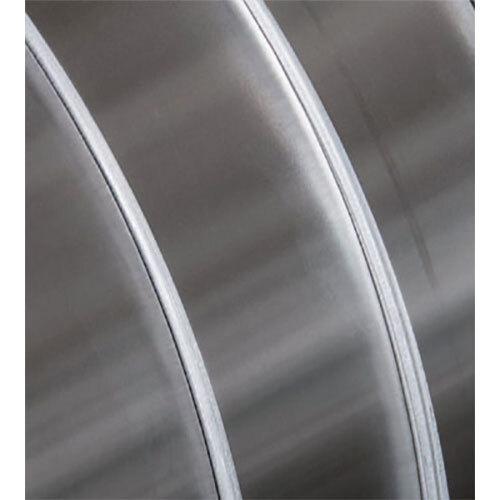
A Lithium Strip is a thin, narrow piece of lithium metal widely used in laboratories, research facilities, and advanced industrial applications. Lithium is known as the lightest metal and one of the most reactive elements in the periodic table. Because of its unique chemical and physical properties, lithium plays a vital role in many modern technologies, especially in energy storage, chemical synthesis, and battery research.
Today, the demand for lithium-based materials is increasing rapidly due to the growth of electric vehicles, renewable energy storage, and advanced electronics. Lithium strips are commonly used by scientists and engineers for experiments, battery development, and specialized chemical reactions. Understanding the uses, properties, and benefits of lithium strips helps highlight their importance in modern science and technology.
What is a Lithium Strip?
A lithium strip is a thin piece of lithium metal that is cut into a narrow strip form for easier handling and precise use. Because lithium is very soft, it can easily be shaped into strips or small pieces. These strips are often stored in mineral oil or sealed containers to protect them from air and moisture.
Lithium strips are mainly used in:
-
Laboratory experiments
-
Chemical synthesis
-
Electrochemical testing
-
Battery research and development
-
Material science studies
Due to its high reactivity, lithium must always be handled carefully by trained professionals.
Physical and Chemical Properties of Lithium Strip
The popularity of lithium strips in research and industry comes from their unique properties.
1. Extremely Lightweight
Lithium is the lightest metal and has a very low density. This property makes lithium ideal for applications where reducing weight is important, such as batteries and aerospace technology.
2. Highly Reactive Metal
Lithium reacts quickly with water, oxygen, and other substances. This reactivity allows lithium strips to participate in many chemical reactions used in research and industrial processes.
3. Soft and Easy to Shape
Lithium metal is very soft and can be cut easily using simple tools. This makes it easy to produce lithium in strip form for laboratory use.
4. Strong Electrochemical Performance
Lithium has a very high electrochemical potential. Because of this property, it is widely used in battery technology and energy storage systems.
Major Uses of Lithium Strip
Lithium strips are widely used in different industries and scientific fields.
1. Battery Development and Research
One of the most important uses of lithium strips is in battery research. Scientists use lithium metal strips as electrodes when developing advanced battery technologies.
Lithium plays a major role in:
-
Lithium-ion batteries
-
Lithium metal batteries
-
Electric vehicle batteries
-
Renewable energy storage systems
These batteries power many devices such as smartphones, laptops, electric vehicles, and solar energy systems.
2. Chemical Synthesis
Lithium strips are commonly used in chemical laboratories for organic synthesis. Their high reactivity allows chemists to create new compounds and chemical structures.
Some common chemical applications include:
-
Preparation of organolithium compounds
-
Reduction reactions
-
Polymer chemistry research
-
Pharmaceutical development
These reactions are essential for producing many industrial chemicals and medicines.
3. Electrochemical Experiments
Lithium strips are often used in electrochemical studies to understand how metals behave during electrical reactions. Researchers use lithium electrodes to test battery materials and analyze energy storage efficiency.
This research helps scientists develop:
-
Longer-lasting batteries
-
Faster charging technology
-
More efficient energy storage systems
4. Academic and Educational Laboratories
Lithium strips are also used in universities and educational institutions for teaching purposes. Students learn about metal reactivity, chemical reactions, and electrochemistry through controlled experiments involving lithium.
However, these experiments are always conducted under strict safety guidelines.
Advantages of Lithium Strip
Lithium strips offer many advantages that make them valuable in scientific and industrial applications.
High Energy Density
Lithium has one of the highest energy densities among metals, making it essential for modern battery technologies.
Precision in Laboratory Work
The strip form allows scientists to use precise quantities of lithium for experiments and testing.
Versatile Applications
Lithium strips can be used in a wide variety of chemical reactions, research activities, and industrial processes.
Support for Clean Energy Technology
Lithium-based materials are key components in renewable energy storage systems and electric vehicles.
Safety Precautions When Using Lithium Strip
Because lithium is highly reactive, proper safety precautions must always be followed.
Avoid Water Contact
Lithium reacts violently with water, producing hydrogen gas and heat. This reaction can be dangerous if not handled carefully.
Proper Storage
Lithium strips are typically stored in mineral oil or sealed containers to prevent exposure to air and moisture.
Use Protective Equipment
When working with lithium strips, researchers should use:
-
Safety gloves
-
Lab coats
-
Protective goggles
Work in Controlled Environments
Lithium should only be handled in well-equipped laboratories with proper safety measures.
Growing Demand for Lithium Strip
The global demand for lithium materials is increasing rapidly due to the expansion of electric vehicles, renewable energy systems, and portable electronics.
Lithium strips will continue to play a crucial role in:
-
Advanced battery technology
-
Energy storage research
-
Material science innovation
-
Sustainable energy solutions
As industries move toward greener technologies, lithium will remain one of the most important metals in the world.
Frequently Asked Questions (FAQs)
What is a lithium strip?
A lithium strip is a thin piece of lithium metal commonly used in laboratories, chemical experiments, and battery research.
Why is lithium strip stored in oil?
Lithium reacts with air and moisture. Storing it in oil prevents oxidation and protects it from reacting with the environment.
Is lithium strip used in battery technology?
Yes, lithium strips are often used as electrodes in battery research, especially when developing advanced lithium metal batteries.
Is lithium dangerous to handle?
Lithium can be dangerous if handled incorrectly because it reacts strongly with water and oxygen. Proper safety equipment and procedures must always be used.
Why is lithium important for modern technology?
Lithium is essential for rechargeable batteries used in smartphones, laptops, electric vehicles, and renewable energy storage systems.
Conclusion
Lithium strip is a highly valuable material used in scientific research, industrial applications, and modern battery technology. Its lightweight nature, high reactivity, and strong electrochemical performance make it essential for many advanced technological developments. From chemical laboratories to energy storage systems, lithium strips support innovation in multiple industries.
As the demand for clean energy and high-performance batteries continues to grow, lithium-based materials will become even more important. Researchers rely on lithium strips to develop new battery technologies that can store more energy, charge faster, and last longer.
In the coming years, lithium strips will play a key role in shaping the future of energy, transportation, and electronic devices. Their importance in research and development ensures that lithium will remain one of the most critical materials in modern science and technology.
With proper handling and responsible use, lithium strips will continue to support groundbreaking discoveries and advancements that power the modern world.